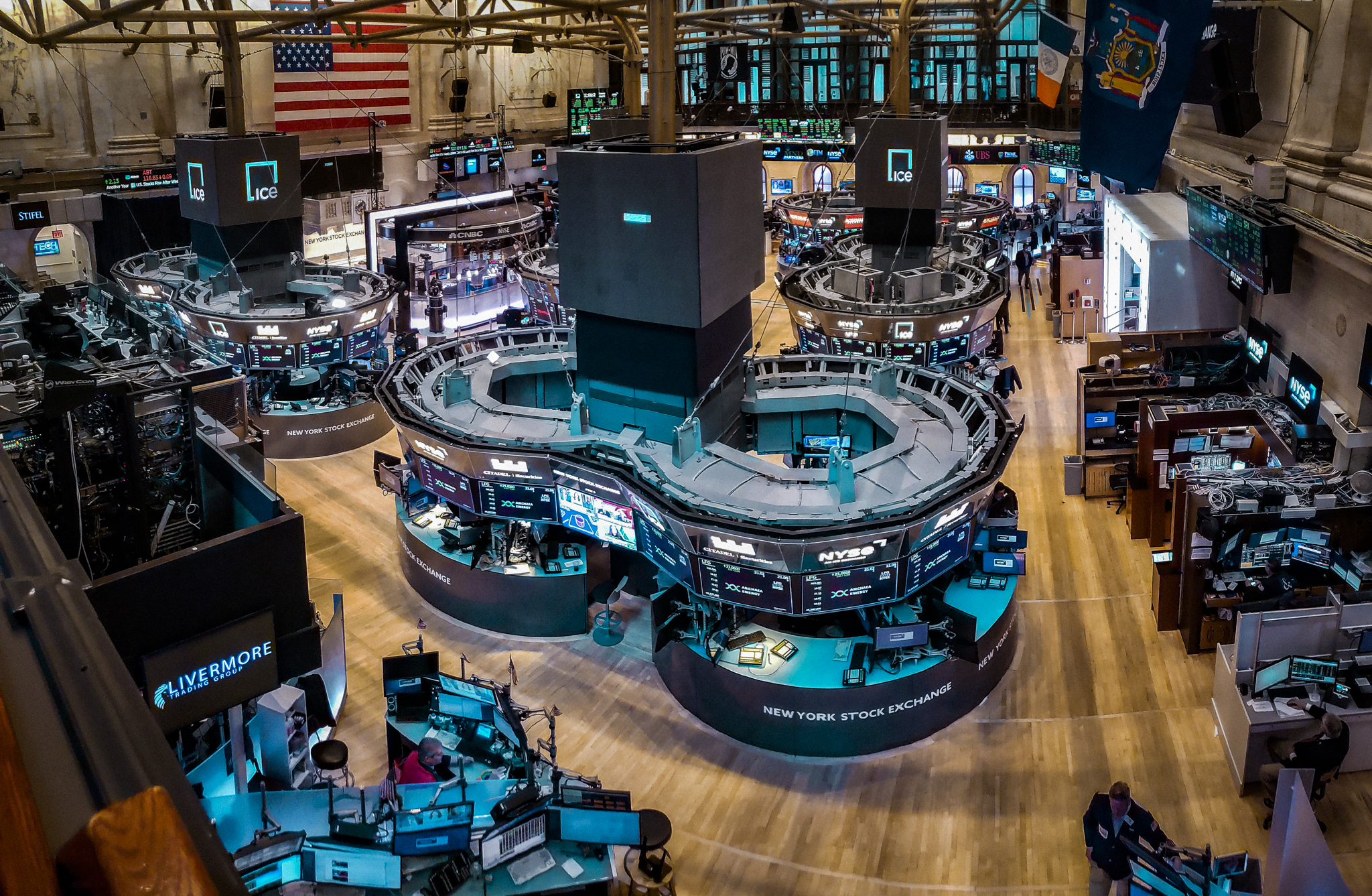
Wall Street's main indexes closed lower on Tuesday, July 7, 2026 [1], as chipmakers fell amid growing doubts about the AI-driven rally.
The downturn reflects a critical shift in investor sentiment regarding the semiconductor industry. While artificial intelligence has fueled a massive market surge, traders are now questioning whether the current valuations are sustainable or if the sector is overextended.
Semiconductor companies, including Micron Technology, experienced significant losses during the session [2]. This sell-off occurred despite a complex backdrop of corporate earnings reports from industry leaders. Some reports said that the decline persisted even after Samsung Electronics posted strong results [2].
Other market data suggests a different catalyst for the dip. According to some reports, chip stocks fell because Samsung Electronics' blowout earnings failed to meet the exceptionally high expectations of investors [3]. This gap between strong performance and investor demand highlights the pressure currently facing the AI sector.
The broader market felt the impact of these semiconductor losses, dragging down the major indexes. Investors appear to be rotating away from high-growth tech stocks as they weigh the risks of a potential correction in the AI trade [1].
This volatility comes as the market monitors several global factors. While the focus remained on tech, other pressures, including geopolitical tensions and energy costs, continued to influence the trading environment [2]. For now, the primary driver of the Tuesday decline remains the uncertainty surrounding the long-term trajectory of AI profitability [3].
“Wall Street's main indexes closed lower on Tuesday, July 7, 2026”
The decline in chip stocks suggests that the 'AI premium'—the elevated value investors place on companies linked to artificial intelligence—is becoming more fragile. When even strong earnings from a giant like Samsung fail to sustain a rally, it indicates that the market has already priced in perfection. This shift may signal a transition from a phase of blind optimism to one of rigorous fundamental scrutiny for the semiconductor industry.


