
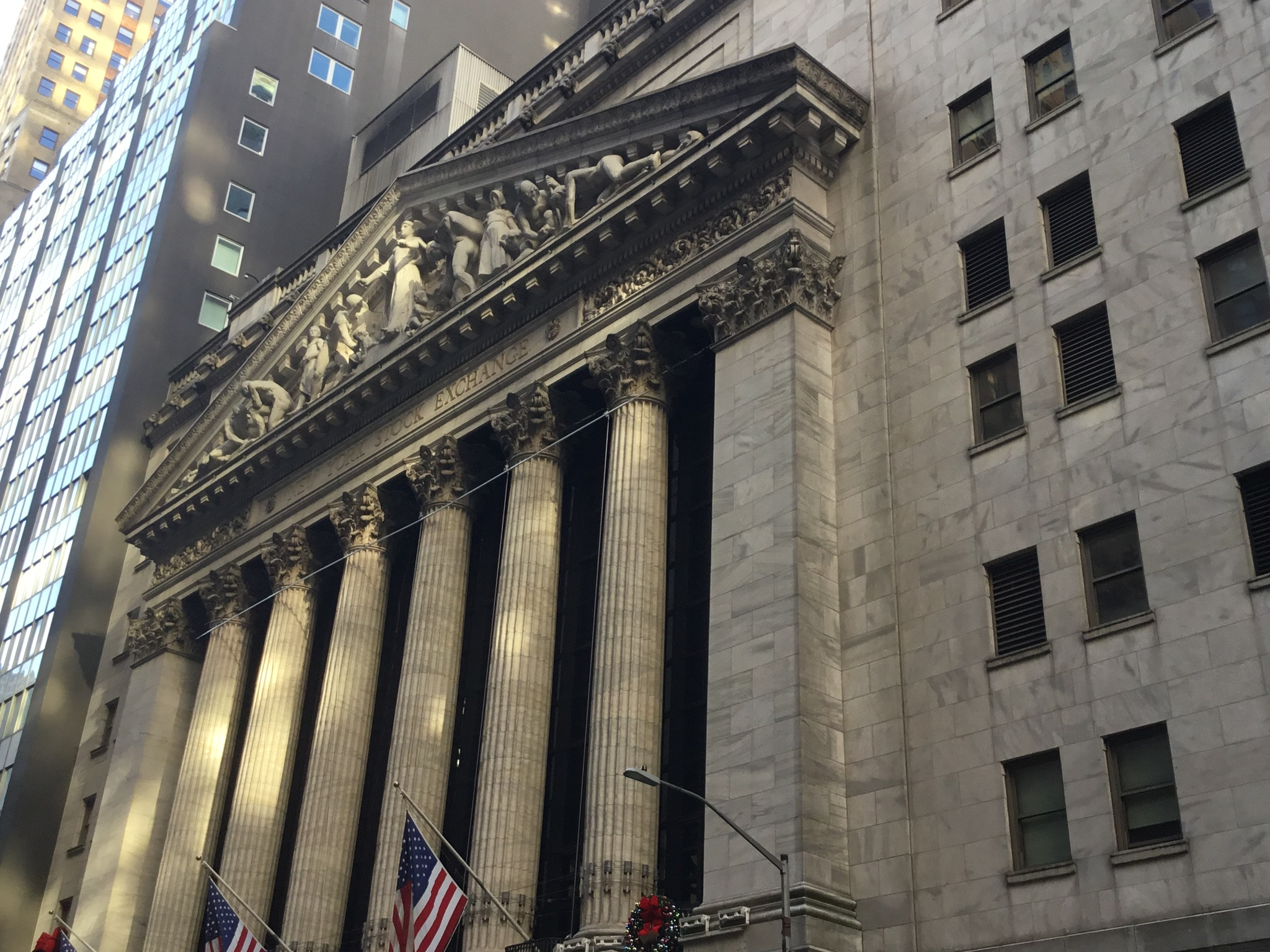
U.S. stocks were gapping down in pre-market trading on Thursday as S&P 500 futures slipped ahead of the opening bell [1].
This downward movement suggests a cautious sentiment among investors who are hesitant to commit to positions before new economic data is released. Such volatility in the pre-market session often signals how the broader market will react to systemic risks or shifting expectations regarding monetary policy.
The decline in S&P 500 futures, commonly referred to as SPX, occurred as market participants monitored the financial landscape [1]. Traders typically use these futures contracts to hedge portfolios, or speculate on the direction of the market, before the official exchange hours begin.
According to reports, the primary driver for the current market hesitation is a slate of upcoming macroeconomic reports [1]. These documents typically include data on inflation, employment, or gross domestic product, which can influence the Federal Reserve's decisions on interest rates.
Investors often adopt a wait-and-see approach when critical data is pending. This caution can lead to a lack of buying pressure, causing prices to dip as some traders lock in profits or reduce exposure to riskier assets [1].
The pre-market session serves as a barometer for the day's trading activity. When futures gap down, it indicates that the market is expected to open at a price significantly lower than the previous day's close, creating a gap in the price chart [1].
“S&P 500 futures slipped ahead of the open”
The pre-market slip reflects a period of tactical uncertainty. When investors prioritize macroeconomic reports over current valuations, it indicates that the market is currently more sensitive to external economic indicators than to individual company performance. This suggests that the upcoming data will likely dictate the short-term trend for U.S. equities.


