
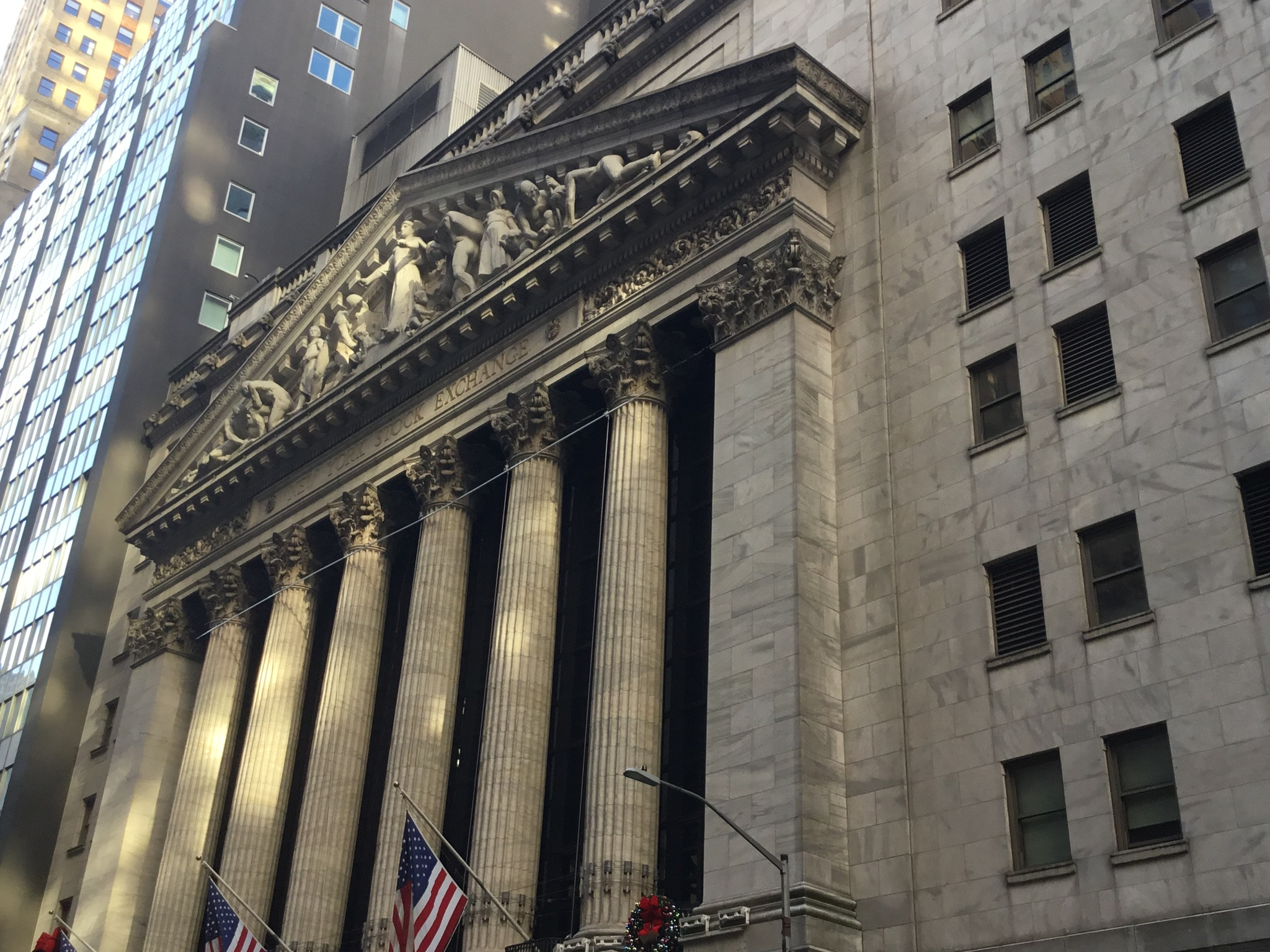
The Dow Jones Industrial Average, Nasdaq Composite, and S&P 500 indices rose to record or high levels on Wednesday, May 13, 2026 [1].
This surge reflects a shift in investor sentiment as geopolitical risks diminish. Lower energy costs typically reduce overhead for corporations and curb inflation, creating a more favorable environment for equity growth.
Market analysts said that the rally was driven largely by easing tensions in the Iran conflict [2]. This diplomatic shift provided the necessary confidence for investors to move back into riskier assets after a period of volatility. The reduction in geopolitical friction directly impacted the commodities market, leading to a sharp decline in crude prices.
Oil prices fell below $100 per barrel [3], with some reports indicating the price dipped further to below $90 per barrel [1]. This price range represents a significant drop from previous peaks driven by the conflict. The decline in oil costs acted as a catalyst for the broader market rally, specifically benefiting sectors sensitive to energy prices.
While some reports showed volatility in the Dow Jones Industrial Average, the general trend across the three major indices remained positive during the session [1], [2]. The Nasdaq Composite and S&P 500 followed a similar trajectory, benefiting from the combination of lower energy costs and improved global stability.
Investors continued to monitor the situation in the Middle East to determine if the current price drop is sustainable. The market's reaction suggests that the "Trump pause" and other diplomatic efforts have successfully boosted sentiment [2]. For now, the relief in the energy sector has provided a tailwind for U.S. stocks to reach new heights.
“The Dow, Nasdaq, and S&P 500 climbed to record or near-record levels.”
The correlation between oil prices and U.S. equity markets remains strong. When geopolitical tensions in oil-producing regions ease, the resulting drop in energy costs reduces the risk of cost-push inflation. This allows the Federal Reserve more flexibility with interest rates and encourages investors to shift capital from safe-haven assets back into growth-oriented stocks.


