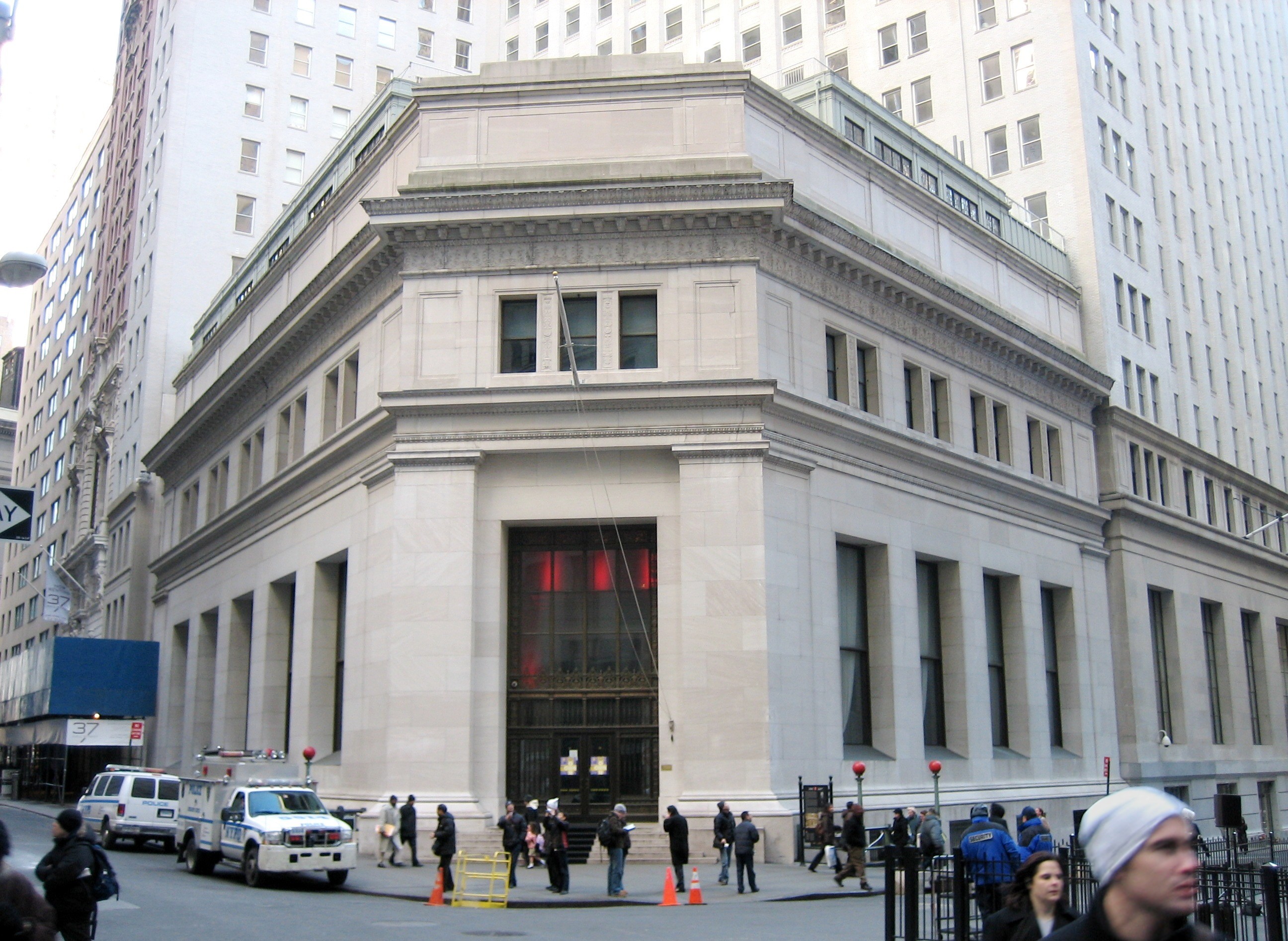
U.S. stock indexes rose Tuesday as falling oil prices and declining Treasury yields reduced pressure on equities [1], [2].
This rally indicates a shift in investor sentiment, as lower borrowing costs and reduced energy overhead often stimulate corporate growth and consumer spending.
Wall Street saw a broad recovery across major indexes. The movement was supported by a rebound in chip stocks, which gained momentum ahead of the upcoming Nvidia earnings report [3]. This sector-specific strength contributed to the wider market climb as investors positioned themselves for potential growth in artificial intelligence hardware [3].
Commodity markets played a significant role in the day's trading. Brent crude prices fell below $90 per barrel [4]. This decline in energy costs typically lowers operational expenses for transportation and manufacturing companies, providing a tailwind for equity prices [2], [4].
Simultaneously, Treasury yields slid, which generally makes stocks more attractive relative to fixed-income assets [2]. The combination of lower yields and cheaper energy created a favorable environment for risk-on trading throughout the session [1], [2].
Digital assets also saw significant movement during the trading day. Bitcoin topped $80,000 [1]. This surge in cryptocurrency suggests a broader appetite for high-risk assets among investors, mirroring the trends seen in the equity markets [1].
Market analysts said that the reduction in yield pressure allowed equities to breathe after a period of volatility [2]. The convergence of these factors—lower oil, lower yields, and tech anticipation—drove the positive closing numbers for the day [1], [3].
“U.S. stock indexes rose Tuesday as falling oil prices and declining Treasury yields reduced pressure on equities.”
The simultaneous drop in Treasury yields and oil prices suggests a cooling of inflationary pressures, which typically encourages investors to move capital from safe-haven bonds into equities. The specific rebound in chip stocks indicates that market volatility remains heavily tied to the performance and expectations of the AI sector, making upcoming corporate earnings reports the primary catalyst for near-term volatility.


