
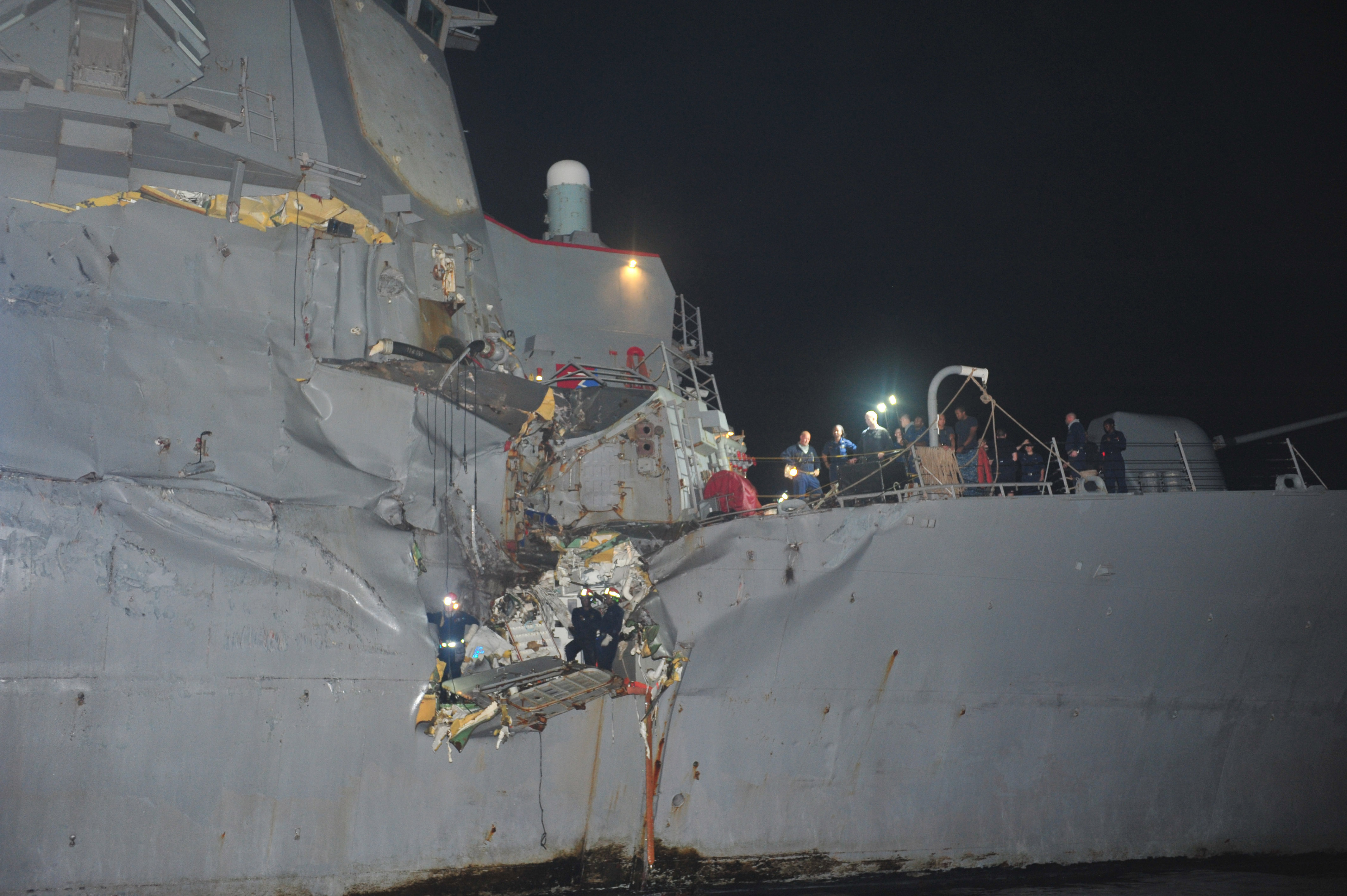
U.S. armed forces conducted self-defense strikes against multiple targets in Iran on Wednesday, June 10, 2026 [2].
The escalation threatens to collapse fragile cease-fire agreements and risks a total blockade of one of the world's most critical oil transit chokepoints.
U.S. Central Command (CENTCOM) said the operations targeted multiple locations, including missile sites in the southern Hormozgan province [1]. The military also targeted vessels that were attempting to lay mines in the region [1]. A CENTCOM spokesperson said, "We are conducting additional self‑defence strikes against multiple targets in Iran" [1].
This operation marks the second defensive strike carried out by the United States this week [1]. The U.S. government said the moves were a necessary response to aggressive activity by the Iranian military [1]. President Donald Trump (R-FL) said, "The U.S. will hit Iran very hard again today" [1].
Iran’s top joint military command said the U.S. actions were a gross violation of a cease-fire [1]. In a direct response to the strikes, Iranian military officials announced that the Strait of Hormuz has been closed [1]. The command said any vessel attempting to pass through the strait will be targeted [1].
The strikes follow a period of high tension in the region. While the U.S. maintains these are defensive measures, the Iranian government views the attacks as an act of war that justifies the closure of the waterway [1]. The conflict remains volatile as both nations deploy assets to the Persian Gulf.
“"The U.S. will hit Iran very hard again today."”
The closure of the Strait of Hormuz by Iran in response to U.S. strikes creates a high-risk scenario for global energy markets. Because a significant portion of the world's oil passes through this narrow waterway, any sustained blockade or targeting of commercial vessels could trigger a spike in global oil prices and invite further direct military confrontation between Washington and Tehran.


