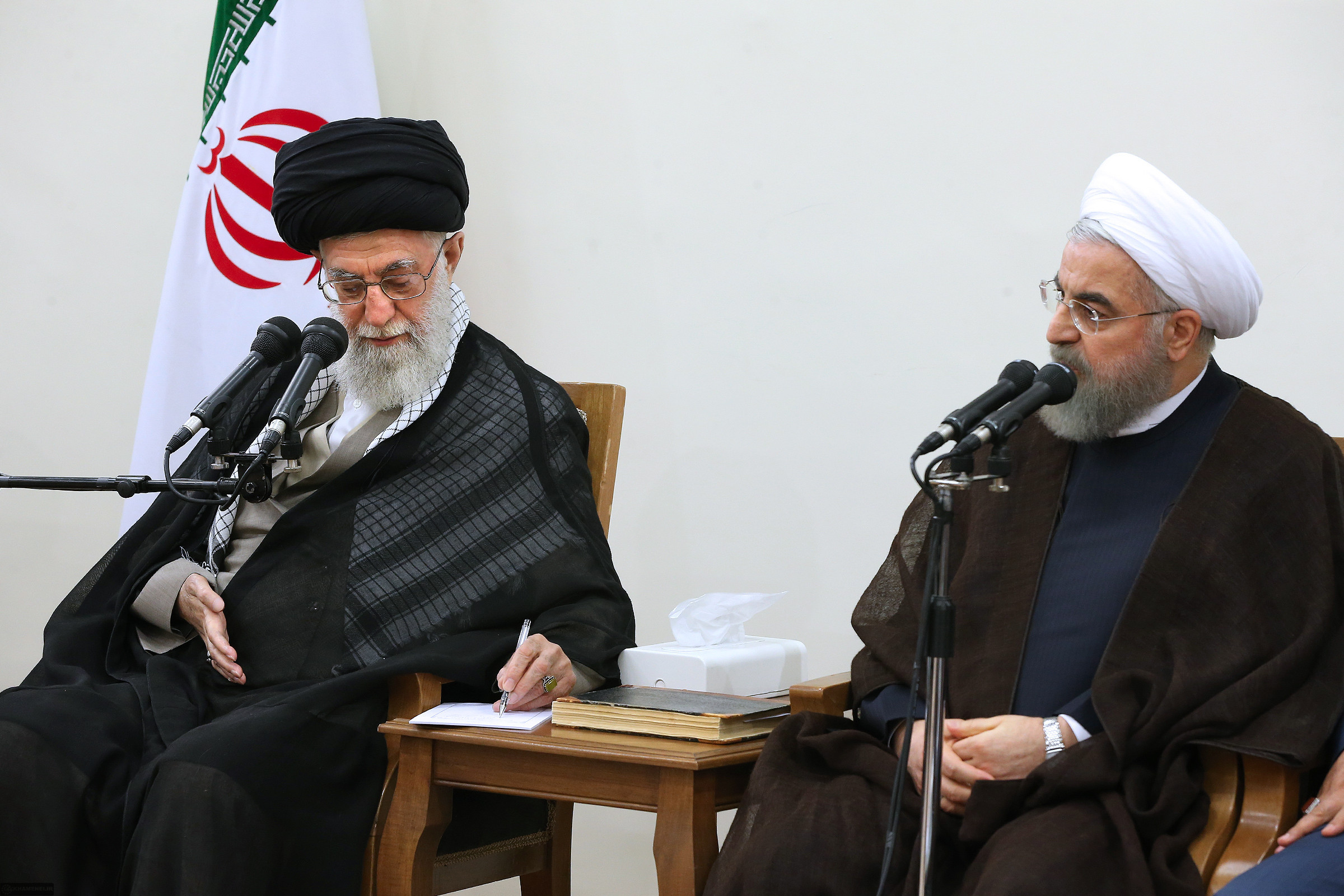
U.S. military forces conducted self-defense strikes against missile launch sites and mine-laying vessels in southern Iran on Monday, May 6 [1].
The operations occurred amid a contradictory diplomatic environment where the U.S. is simultaneously engaging in peace negotiations with the Iranian government. This juxtaposition of military action and diplomacy suggests a strategy of maintaining pressure while seeking a negotiated settlement.
Targets included the Qeshm port, Bandar Abbas, and vessels operating near the Gulf of Oman [1]. The U.S. military said the strikes were necessary responses to Iranian missile launch sites and mine-laying activities in the region [1].
Despite the escalation in the Strait of Hormuz, President Donald Trump (R-FL) described the diplomatic track as stable. Trump said negotiations with Tehran were "proceeding nicely" [2].
Iranian officials condemned the strikes as a violation of a ceasefire [1]. The military operations targeted strategic infrastructure in southern Iran, including naval assets and launch capabilities, to deter further aggression in the critical shipping lanes of the Gulf [1].
The U.S. government has not provided further details on the extent of the damage caused to the targets in Qeshm and Bandar Abbas [1]. The timing of the strikes, occurring just days before the reports of positive diplomatic progress, highlights the volatility of the current security environment in the Persian Gulf [1, 2].
“U.S. military forces conducted self-defense strikes against missile launch sites and mine-laying vessels”
The simultaneous use of targeted kinetic strikes and optimistic diplomatic rhetoric indicates a 'dual-track' policy. By degrading Iranian capabilities in the Strait of Hormuz while maintaining a dialogue, the U.S. aims to secure concessions for a peace deal from a position of perceived military strength.