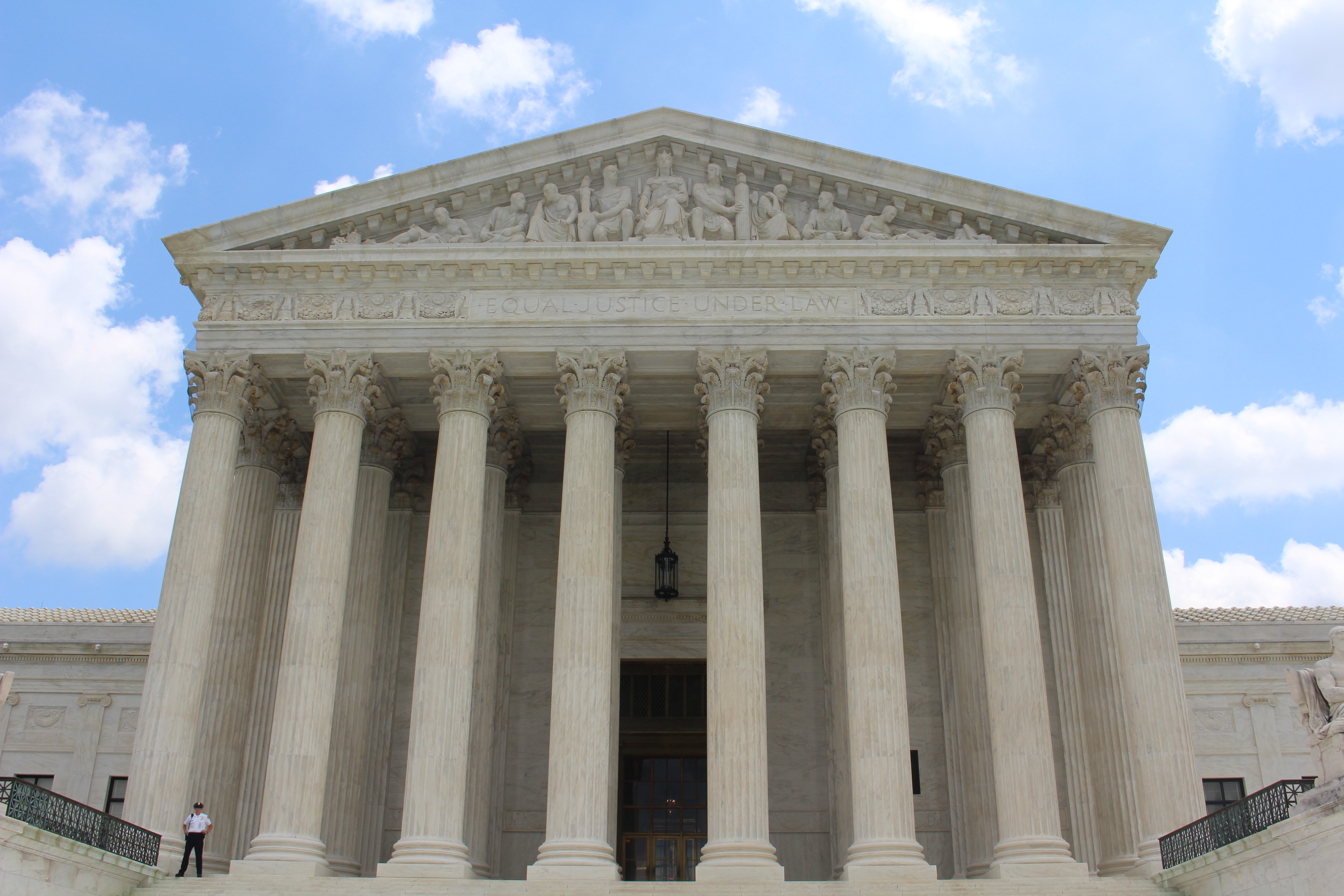
More than half of Americans disapprove of how the U.S. Supreme Court is handling its job [1].
This decline in public trust signals a potential crisis of legitimacy for the judicial branch. When a majority of the population views the highest court in the land with disapproval, the enforceability and acceptance of its legal precedents may be compromised.
The shift in sentiment follows a series of contentious decisions made by the court. Most notably, a ruling in June 2026 regarding birthright citizenship has fueled public outcry and perceptions of partisan bias [2, 3].
"More than half of Americans disapprove of how the nation’s top court is handling its job," Ella Lee of the Financial Times said [1].
Data indicates that over 50% of the population now expresses disapproval of the court's performance [1]. This trend reflects a growing divide between the court's legal interpretations and the expectations of the voting public.
Critics argue that the court has moved away from impartial jurisprudence toward a more political framework. This perception has been exacerbated by the timing and nature of recent rulings that touch upon fundamental national identity and citizenship rights [2, 3].
The erosion of trust is not limited to a single demographic but represents a broader trend among American voters. The intersection of high-profile legal battles and perceived ideological shifts continues to drive the decline in confidence [1, 2].
“More than half of Americans disapprove of how the nation’s top court is handling its job.”
The drop in approval ratings suggests that the Supreme Court is facing a legitimacy gap. Because the judiciary relies on public consent and the cooperation of other government branches to enforce its rulings, a sustained lack of confidence could weaken the practical authority of the court's decisions, potentially leading to increased legislative challenges or calls for structural reform.


