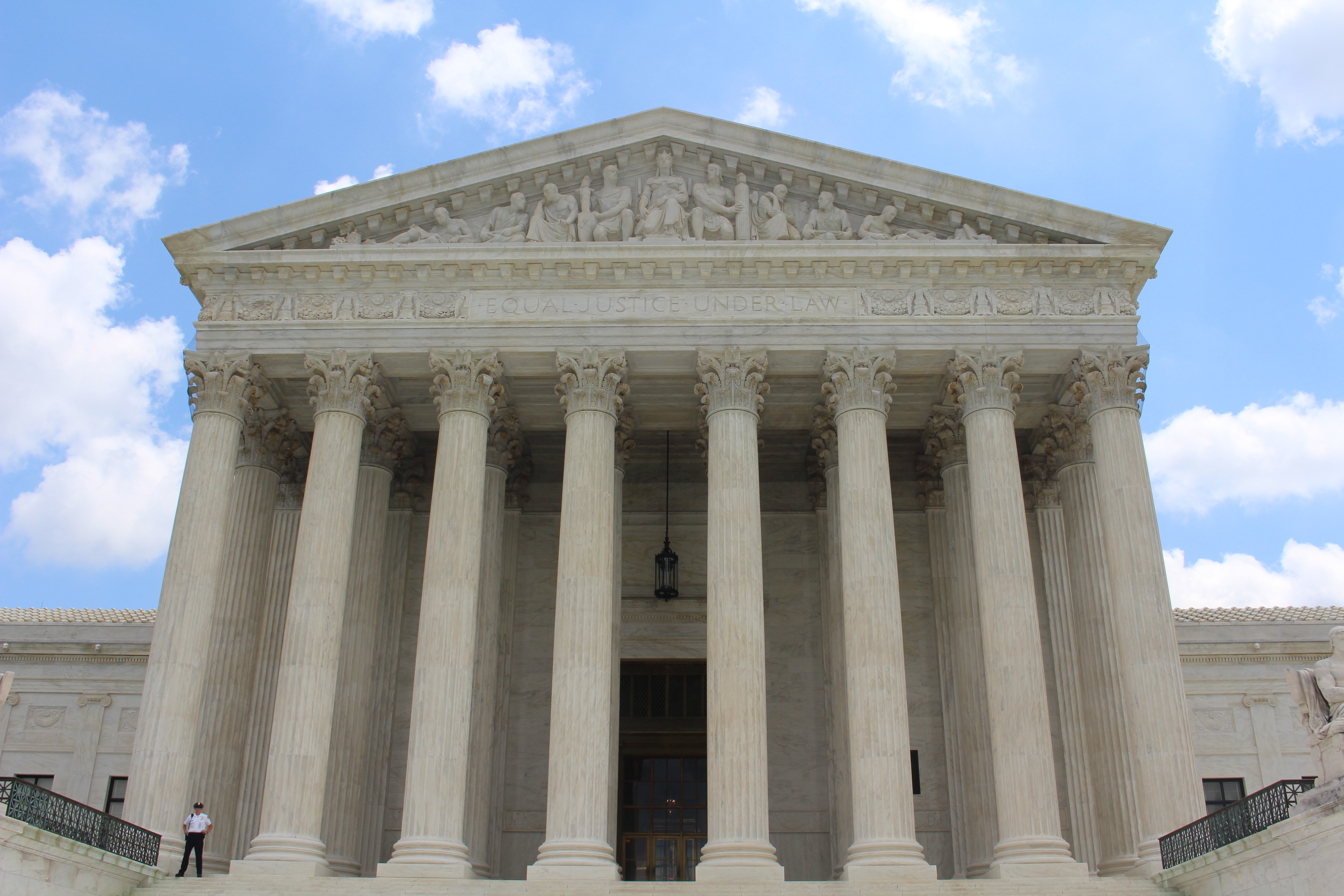
The U.S. Supreme Court ruled that the Trump administration may cancel Temporary Protected Status (TPS) for Haitian and Syrian nationals [1, 2].
This decision removes a legal barrier for the government to terminate a program that provides temporary legal residency and work authorization to people from countries facing ongoing conflict or natural disasters. The ruling puts the legal status of thousands of residents at risk, potentially leading to mass deportations.
In a six-three vote, the Court concluded that the Department of Homeland Security possesses the statutory authority to terminate the program [2]. The administration argued that TPS was no longer necessary for those specific countries [1, 2].
The ruling affects approximately 300,000 Haitians and approximately 300,000 Syrians [1]. Many of these individuals have lived in the U.S. for years, building careers and families under the protections of the program.
Democratic lawmakers and immigrant advocacy groups criticized the decision. "This decision is painfully cruel and will not make America safer or stronger," a Democratic lawmaker said [1].
A representative for an immigrant advocacy group said, "Ending TPS will have serious consequences for thousands of families who have built lives here" [1].
The White House responded to the ruling by emphasizing the legal victory. "We have been waiting for this decision for a long time. It restores the rule of law," a White House spokesperson said [2].
The decision was handed down on Thursday, June 13, 2023 [1, 2]. It follows a lengthy legal battle over whether the executive branch could unilaterally end protections for these specific populations without a more extensive review process.
“"This decision is painfully cruel and will not make America safer or stronger."”
This ruling reinforces the executive branch's broad authority to manage immigration programs and terminate temporary protections. By validating the Department of Homeland Security's statutory power, the Court has limited the ability of lower courts to block administration policies based on the perceived necessity of protected status, shifting the burden of proof toward those seeking to maintain residency.


