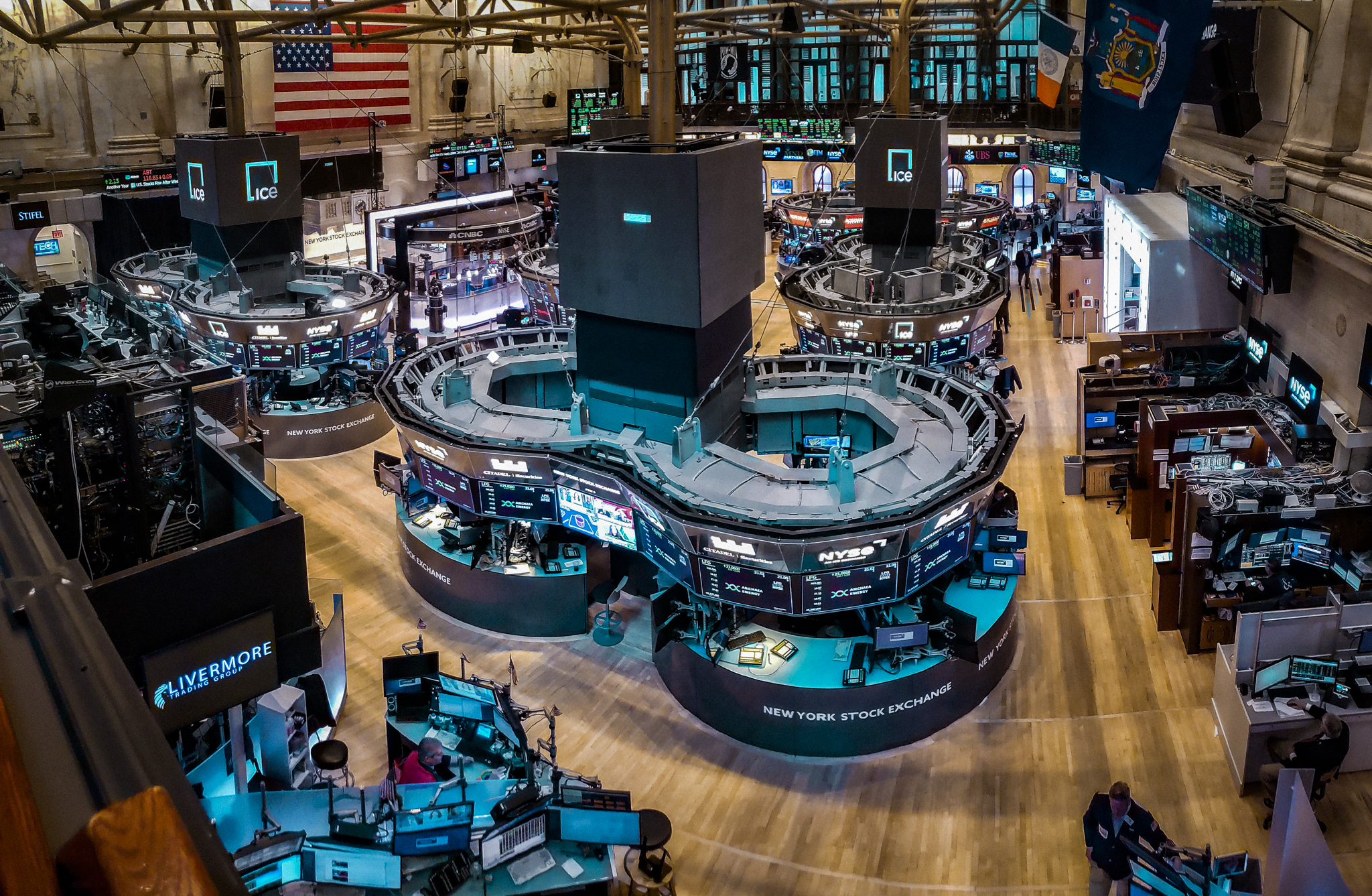
U.S. technology and semiconductor stocks fell for a second consecutive day on Tuesday [1].
The downturn reflects a growing skepticism among investors regarding the sustainability of massive AI-related spending and the use of debt to fund infrastructure. Because these sectors have driven much of the market's recent growth, a prolonged correction could signal a broader shift in investor appetite for high-growth tech assets.
The sell-off pushed the U.S. semiconductor index toward its worst week since the "liberation day" rout of last year [1]. Market volatility was evident in high-profile chip companies, with Nvidia losing approximately $600 billion in market value [2].
Analysts point to a combination of macroeconomic pressures and sector-specific fatigue. Some reports link the tumble to AI fatigue, suggesting investors are reassessing the hype surrounding artificial intelligence investments [3]. Other data indicates the decline is driven by fears of high spending coupled with rising interest-rate expectations [4].
Memory stocks, including Micron and SanDisk, also tumbled during the session [4]. The trend suggests that the "AI trade," which saw rapid gains over previous months, is entering a period of reversal as the market demands clearer evidence of returns on investment.
Investors are now weighing the cost of building AI infrastructure against the immediate revenue these technologies generate. This tension is amplified by the prospect of higher borrowing costs, which makes the debt-funded expansion of data centers more expensive to maintain.
“Nvidia lost about $600 billion in market value”
This market correction indicates a transition from a speculative phase of AI adoption to a value-verification phase. While the technology remains a central pillar of corporate strategy, the market is no longer rewarding spending alone; it is now scrutinizing the actual profitability and the cost of capital required to sustain that growth.