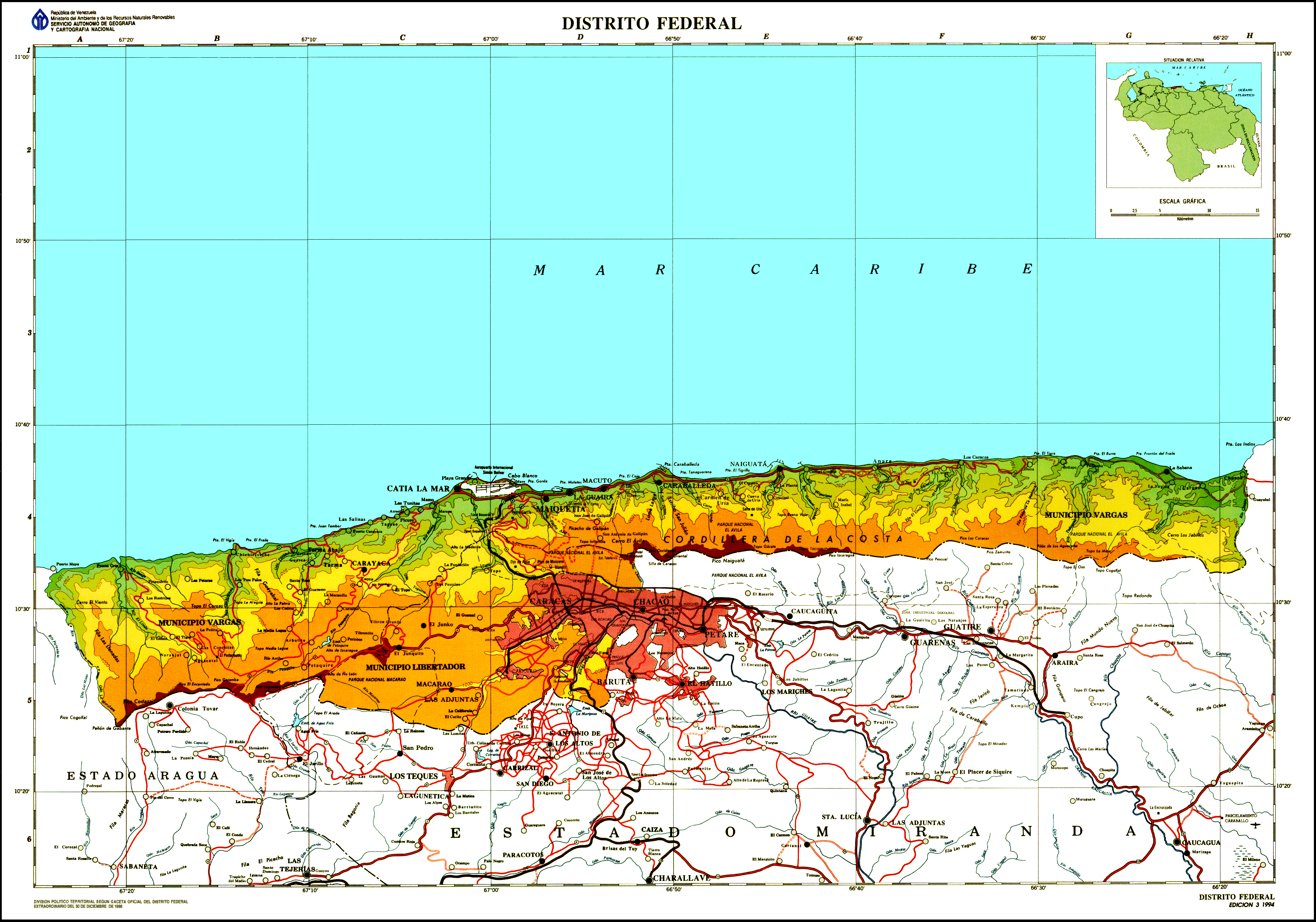
An American tourist described twin 7.1-magnitude earthquakes that struck Caracas, Venezuela, on June 25, 2024, as "intense and violent" [1, 3].
The disaster highlights the extreme vulnerability of the region's infrastructure, as rescue teams struggle to reach hundreds of people trapped under rubble [4].
Jason Wang was traveling in Venezuela when the seismic events occurred. "The floor under me was shaking," Wang said [2]. Other survivors in Caracas reported similar experiences, noting that the floor kept moving during the tremors [3].
Reports on Wang's immediate movements vary. Some accounts state he drove away from the city to avoid potential aftershocks [1], while other reports indicate he was trapped on top of a mountain near the capital [2].
The scale of the destruction has led to fears that thousands may have died [1]. In some areas, the chaos extended to critical infrastructure; one report noted that an airport roof collapsed, causing people to run for their lives [2].
Emergency responders are currently racing to rescue hundreds of individuals buried beneath collapsed buildings [4]. The twin nature of the quakes—two massive shocks of 7.1 magnitude [3]—compounded the damage to residential and commercial structures across the city and surrounding areas.
“"intense and violent"”
The occurrence of twin high-magnitude earthquakes in a densely populated urban center like Caracas suggests a catastrophic failure of building codes and emergency preparedness. The reported collapse of an airport roof and the high number of people trapped under rubble indicate that existing infrastructure was unable to withstand the 7.1-magnitude shocks, likely exacerbating the casualty rate.