
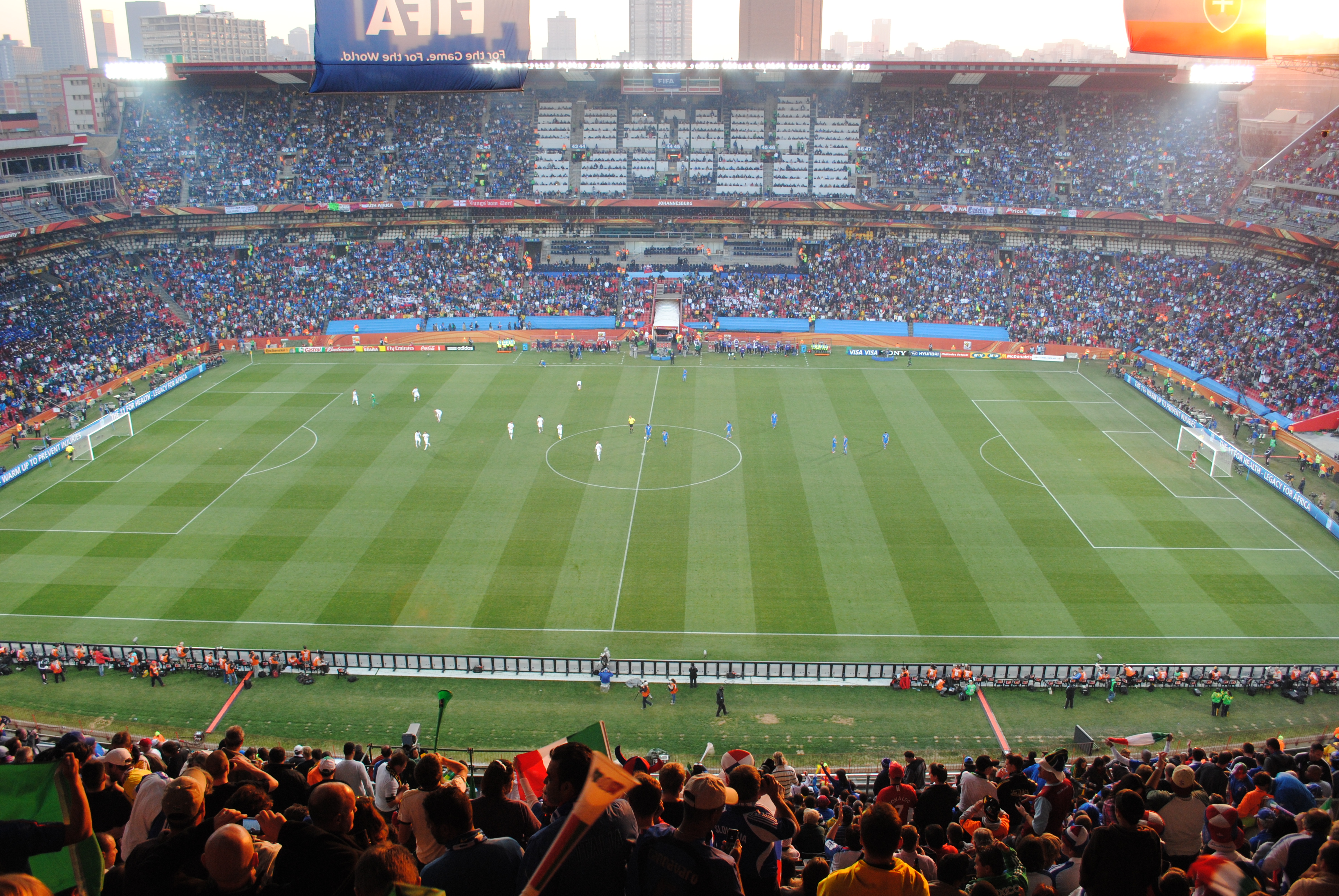
U.S. travel bans are preventing fans from the Global South from attending the 2026 FIFA World Cup [1, 2].
These restrictions create a significant barrier to entry for supporters from developing nations, contradicting the inclusive spirit of a global sporting event. As the U.S. co-hosts the tournament, the intersection of national security policy and international athletics has left thousands of fans unable to secure visas.
This year's tournament is the largest in history, featuring 48 teams [3]. Mike Johnson, a sports reporter for USA Today, said, "With 48 teams, the tournament is the biggest ever staged" [3]. However, the expanded scale of the competition has not been matched by an expansion of travel accessibility for citizens of many developing countries [1].
Critics argue that the current immigration framework undermines the tournament's reach. John Doe, a senior editor at The New York Times, said, "The new travel restrictions effectively shut out fans from many developing nations" [1]. These policies limit entry based on national origin, making it difficult for supporters to follow their national teams into the U.S.
Reports from the ground indicate that the restrictions are felt most acutely among those traveling from the Global South. An AJ+ correspondent said, "U.S. travel bans are keeping fans from the Global South away from the stadiums" [2]. The disparity in visa approval rates has sparked concerns regarding the equity of the event's accessibility.
While the 2026 World Cup aims to showcase a diverse array of global talent, the logistical reality of U.S. border policy remains a primary obstacle. The restrictions are rooted in broader immigration policies that limit entry for specific nationalities, a move that complicates the event's goal of universal participation.
“The new travel restrictions effectively shut out fans from many developing nations.”
The conflict between U.S. immigration enforcement and FIFA's global expansion highlights a tension between national sovereignty and international diplomacy. By restricting access to fans from the Global South, the U.S. risks alienating a significant portion of the sport's growing international audience, potentially shifting the tournament's atmosphere from a global celebration to a curated event accessible primarily to Western and wealthy nations.


