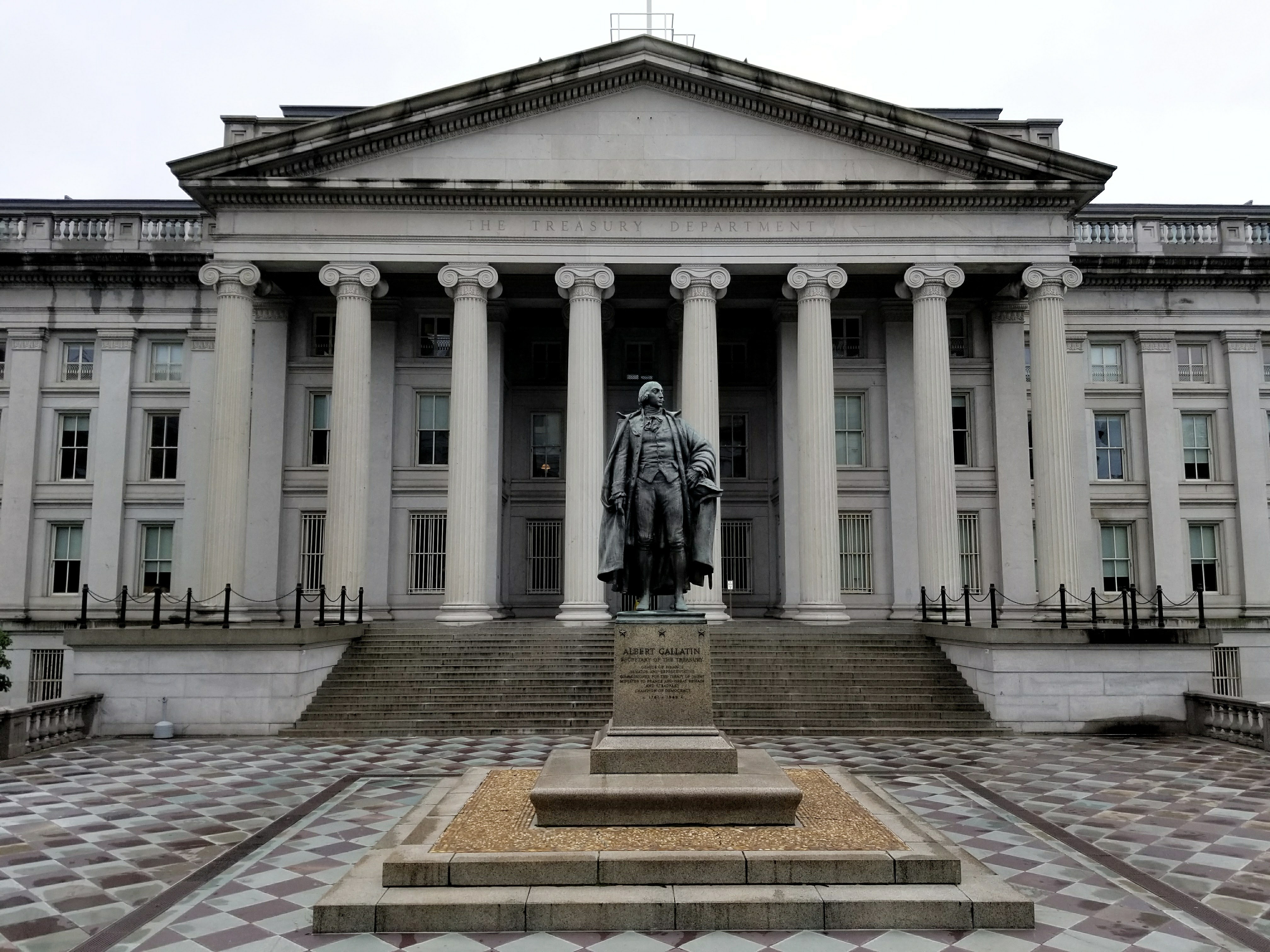
The 30-year U.S. Treasury yield rose to 5.31% on Tuesday, marking the highest level for the benchmark since June 2007 [1, 2].
This spike reflects a growing lack of confidence in the U.S. government's fiscal trajectory. As long-term borrowing costs rise, the trend threatens to increase the cost of everything from corporate loans to home mortgages.
The surge follows a wave of bond sell-offs by investors. A Yahoo Finance analyst said investors are spooked by the growing national debt and a wave of long-dated bond issuance [3]. This increased supply of bonds has pressured prices downward, which pushes yields higher.
Persistent inflation also continues to drive the market. Inflation has remained above the Federal Reserve’s target for five years [4]. This long-term trend has created friction between the central bank and market participants who believe the Fed has not acted aggressively enough to stabilize prices.
Critics of current monetary policy have pointed to a perceived lack of urgency from the central bank. The Reason.com editorial board said the bond market is unhappy with the Fed’s unwillingness to fight inflation [5].
The current environment is the result of several converging factors. These include a surge in national debt, a flood of long-dated bond sales, and the prolonged failure to meet inflation targets [4, 5].
Market participants are now monitoring whether the Federal Reserve will adjust its strategy to address these pressures. The 30-year yield climbed to 5.31%, its highest level since June 2007, according to the MSN Markets Desk [1].
“The 30-year Treasury yield climbed to 5.31%, its highest level since June 2007.”
The rise in long-term yields indicates that investors are demanding a higher premium to hold U.S. debt, signaling a decrease in trust regarding the government's ability to manage its deficit and inflation. Because 30-year Treasuries serve as a global benchmark for long-term interest rates, this shift can lead to higher borrowing costs across the broader economy, potentially slowing economic growth while the Federal Reserve struggles to bring inflation back to its target.


