Wealth taxes are resurfacing in the U.S. political debate as policymakers seek new methods to address growing economic inequality [1].
The return of these proposals signals a shift in how governments approach revenue generation and social equity. If successful, these measures could fundamentally alter the tax obligations of the wealthiest citizens and provide significant funding for public services.
John Reed, a journalist with the Financial Times, said the discussion around wealth taxes is gaining momentum [1]. This resurgence comes as legislators explore options beyond traditional income taxes to curb the widening gap between the rich and the poor.
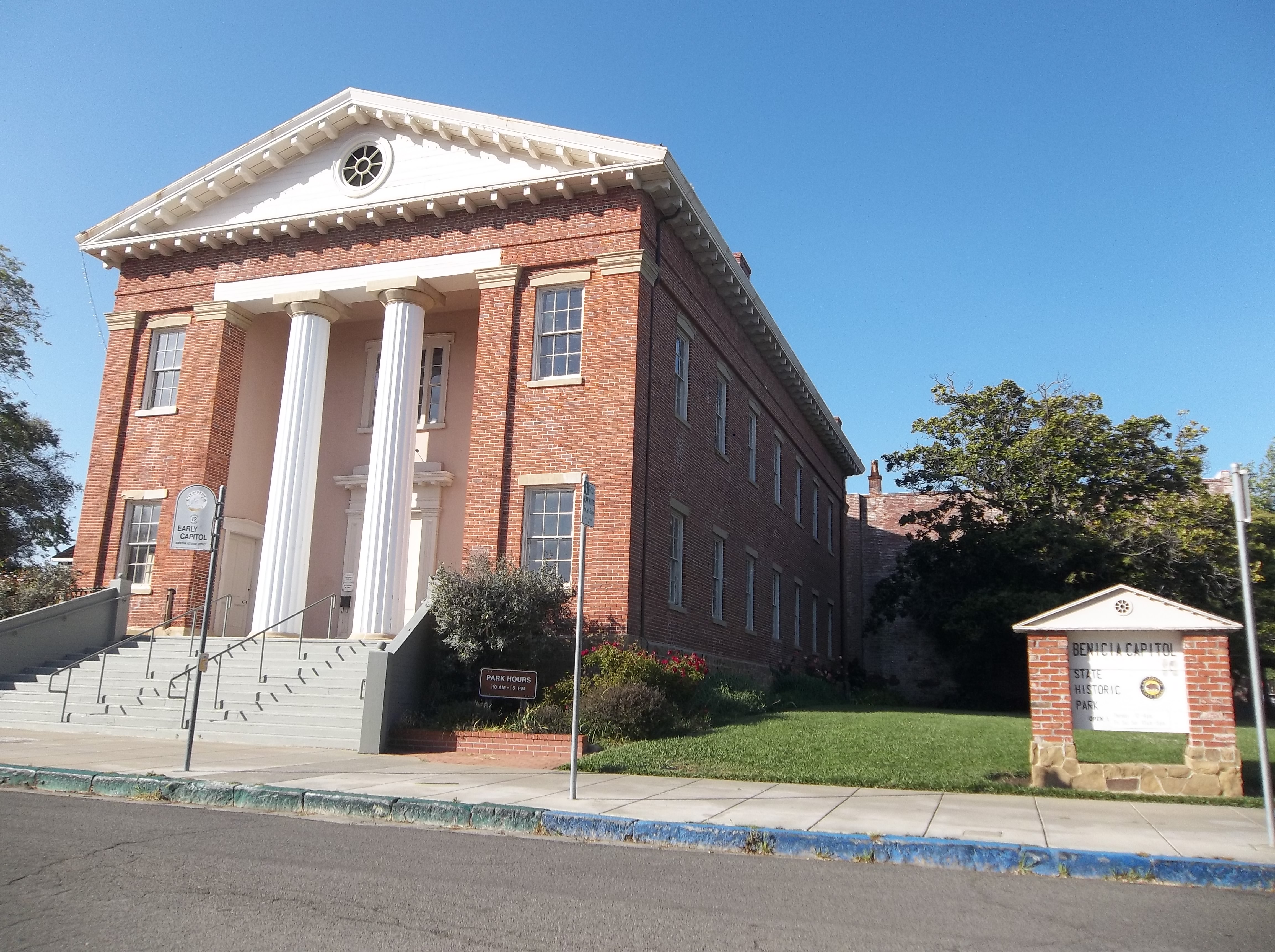
California has emerged as the primary battleground for this policy shift. An upcoming vote in the state is viewed as a key test case for the viability of wealth taxes in the U.S. [1]. The outcome in California could influence whether other states or the federal government pursue similar legislative paths.
Critics of wealth taxes often argue that such measures lead to capital flight or are difficult to administer. However, proponents suggest that taxing accumulated assets is the most effective way to redistribute wealth in an era of stagnant wages for the working class.
The California vote will likely center on the legal and practical challenges of valuing non-liquid assets. The results will provide a blueprint for how such taxes are implemented and contested in court [1].
“Wealth taxes are resurfacing in the U.S. political debate.”
The focus on California reflects the state's role as a legislative laboratory for the U.S. Because California holds one of the largest economies in the world, the success or failure of its wealth tax initiative will determine if such policies are politically feasible in other high-wealth jurisdictions or if they remain theoretical proposals.

