
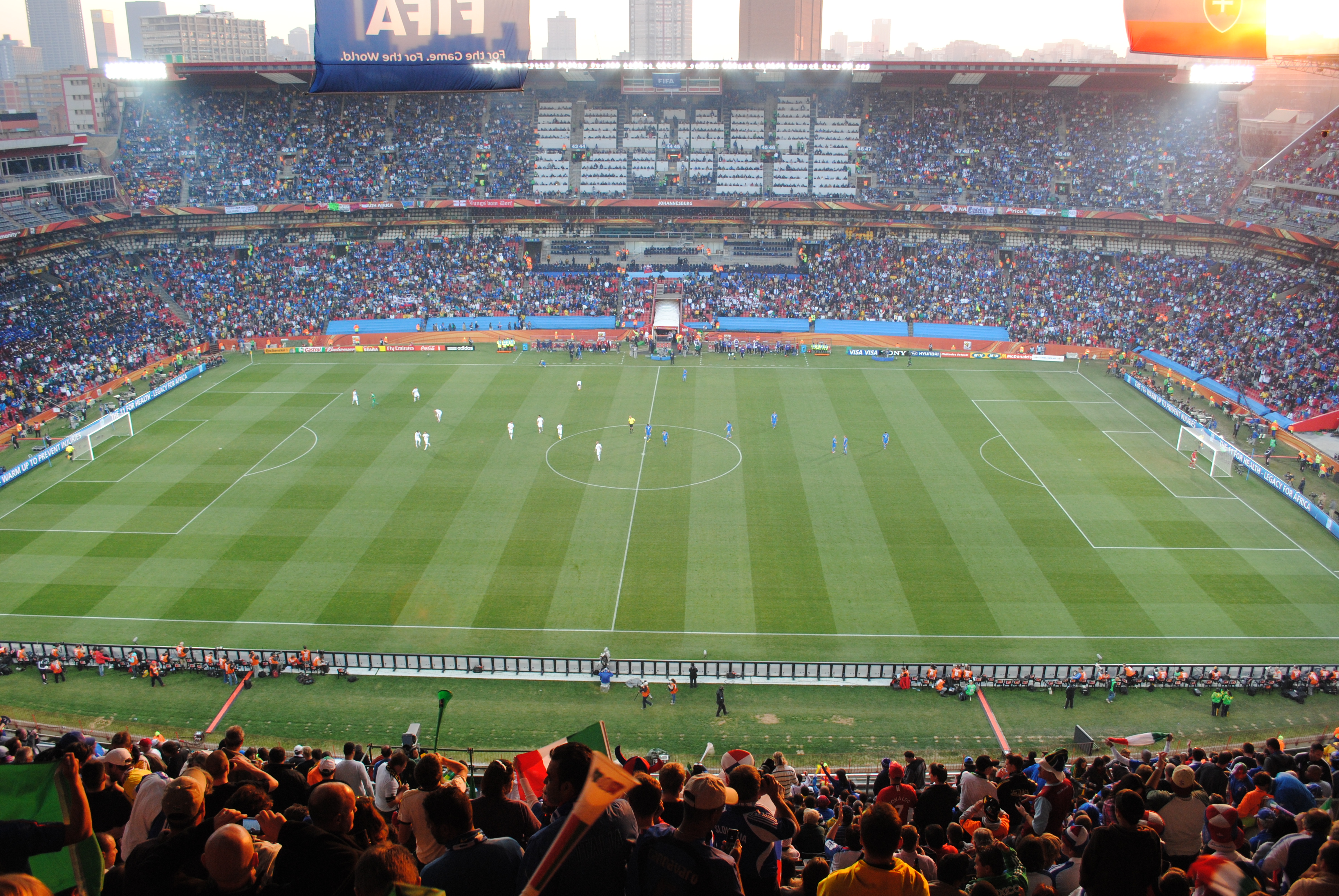
State governments in the U.S. are proposing temporary permits to extend alcohol-sale hours for bars and restaurants during the 2026 FIFA World Cup [1].
These measures aim to revitalize local economies by attracting thousands of fans who do not have tickets to the matches. By adapting to the timing of international games, officials hope to increase spending at local establishments and create a more welcoming environment for global tourists.
In New York, Governor Kathy Hochul (D-NY) and Assemblymember Tony Simone have pushed for these temporary extensions [2]. The proposal includes allowing businesses to serve alcohol beyond their standard operating hours and exploring options for outdoor consumption [3]. Similar efforts to expand hours have been noted in Rhode Island [1].
The tournament is scheduled to take place during the summer of 2026, specifically throughout June and July [4]. Officials said the extension of service hours will allow fans to watch night matches without restriction, a move designed to capture revenue that might otherwise be lost to home viewing.
However, the potential success of these policy changes remains a point of contention. Some reports suggest that fans will have little trouble finding a place to watch matches with a drink in hand [1]. Other analysts said the success of the measure is not guaranteed because consumption habits have changed over time [5].
Despite these doubts, the push for temporary permits reflects a broader strategy to leverage the tournament's massive footprint for economic gain. By easing restrictive liquor laws for a short window, states are attempting to maximize the financial impact of the influx of international visitors.
“State governments in the U.S. are proposing temporary permits to extend alcohol-sale hours.”
This policy shift indicates a pragmatic approach to tourism management, where states temporarily suspend rigid regulatory frameworks to accommodate the specific scheduling of a global mega-event. By prioritizing economic stimulation over standard licensing hours, officials are betting that the short-term increase in hospitality revenue outweighs the potential regulatory or public safety risks associated with extended alcohol service.


