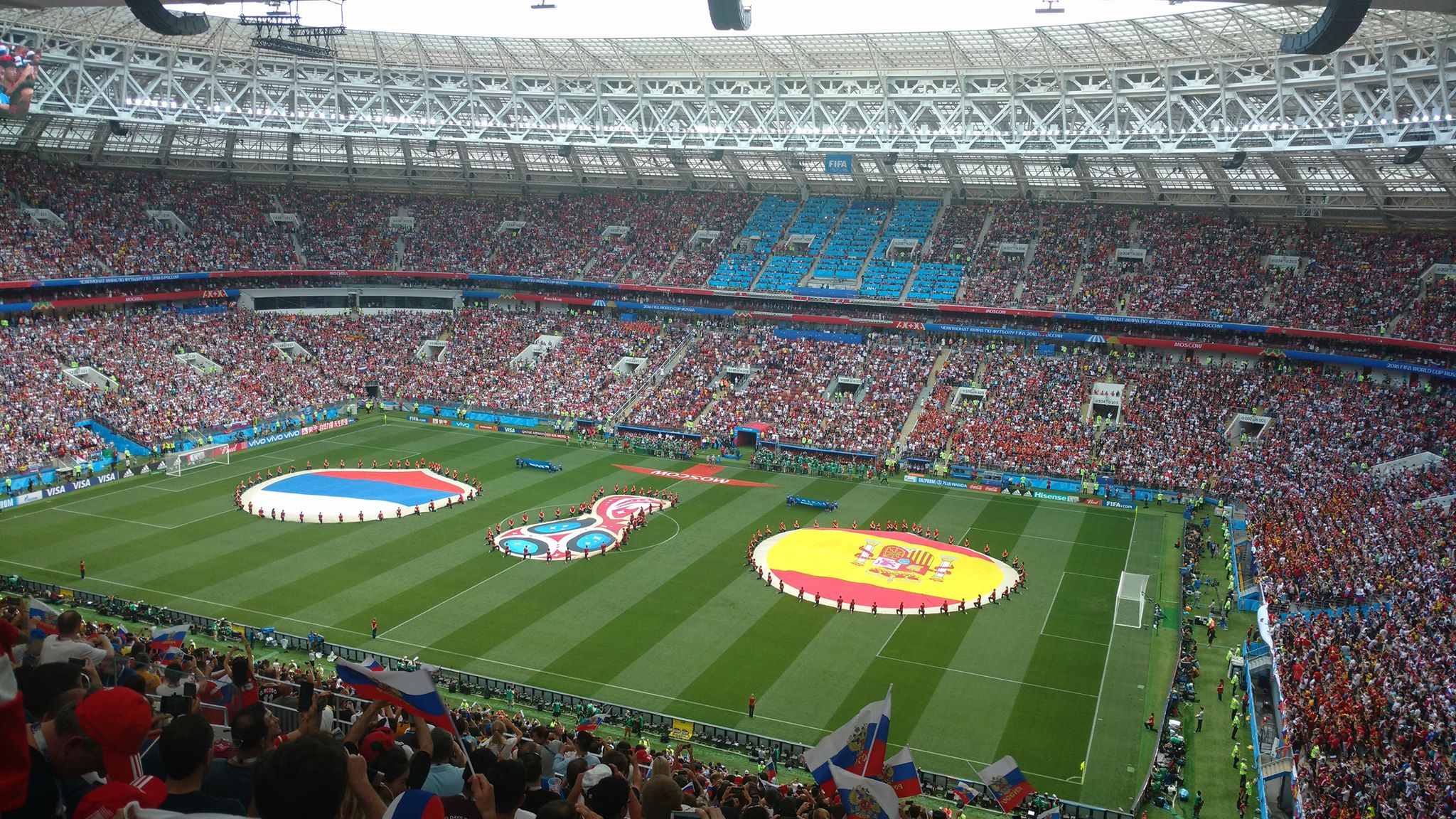
A goal by Malik Tillman caused fans at Lumen Field to create seismic activity during a FIFA World Cup match in Seattle [1].
The event highlights the intense atmospheric pressure and physical impact of high-stakes sporting events on urban infrastructure. When thousands of spectators react in unison, the resulting energy can mimic the signatures of geological events.
During the Round of 16 match on June 20, 2026 [3], Tillman scored a free-kick goal for the U.S. Men's National Team (USMNT) [1]. The resulting celebration was so loud and synchronized that it registered on seismic monitors, leading some to describe the phenomenon as a "fanquake" [1, 2].
Seismic graphs confirmed that the cheering produced measurable shaking at the stadium [2]. This physical reaction occurred as the USMNT fought to stay in the tournament. While some reports focused on the seismic impact of the equalizer, other records indicate the U.S. eventually lost the match to Belgium with a score of four-one [4].
This is not the only high-energy performance for the team during the tournament. The USMNT previously recorded a two-zero victory over Australia [3]. However, the Seattle event stands out due to the verifiable physical data captured by monitoring equipment.
Lumen Field is known for its loud environment, but the scale of the vibration during the World Cup match demonstrated a peak in crowd intensity. The synchronization of the jump and cheer from the crowd converted acoustic energy into a physical force that the earth recorded [1, 2].
“The resulting celebration was so loud and synchronized that it registered on seismic monitors.”
This incident underscores the intersection of sports sociology and geophysics, where collective human behavior reaches a scale capable of affecting local seismic readings. It serves as a data point for engineers and urban planners regarding how stadium design and crowd density impact the surrounding environment during global events.