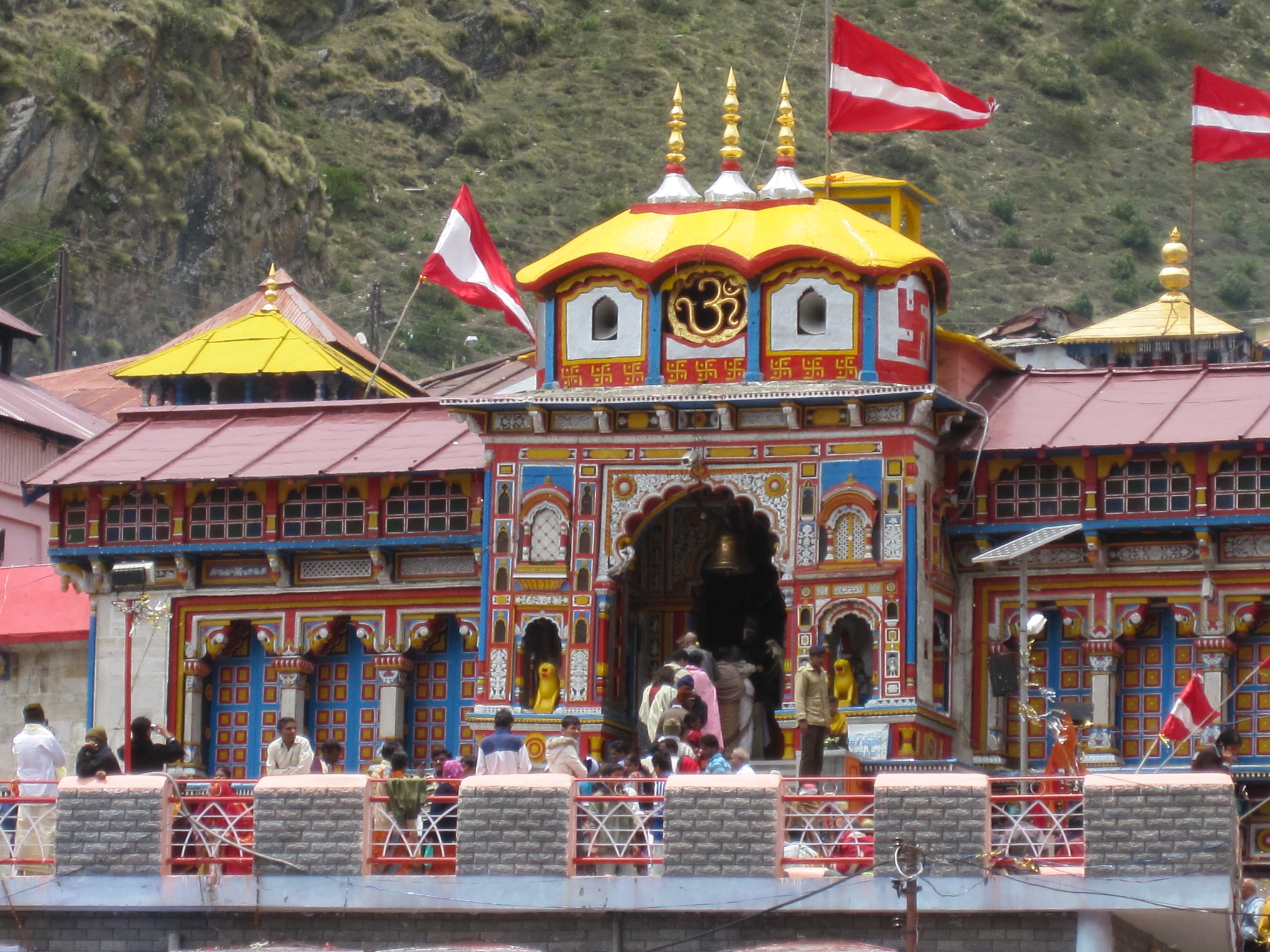
A massive glacier collapsed near the Kuber Parvat region close to Badrinath Dham on Sunday morning, triggering an avalanche scare in Uttarakhand [1].
This event occurred near one of India's most sacred pilgrimage sites, where glacial instability can pose a significant risk to thousands of visitors and local infrastructure. While this specific incident resulted in no harm, the region remains susceptible to sudden geological shifts.
Disaster management officials in Uttarakhand monitored the situation following the collapse [1]. The instability led to a sudden break in the glacial structure, which created immediate concern for those in the vicinity of the Kuber Parvat area [1].
Authorities confirmed that the event did not result in any loss of life [1]. Officials said there were zero casualties [1] and said there was no damage to property [2].
Emergency teams remained on alert as the collapse unfolded. The lack of human activity cited as a cause suggests the event was a result of natural glacial instability [1]. Local authorities continue to monitor the mountain landscape to ensure the safety of pilgrims, and residents near the Badrinath Dham sanctuary [1].
“A massive glacier collapsed near the Kuber Parvat region close to Badrinath Dham”
The collapse highlights the ongoing volatility of the Himalayan glacial system. While the lack of casualties in this instance prevents a humanitarian crisis, the proximity of such events to high-density pilgrimage sites like Badrinath Dham underscores the necessity for continuous geological monitoring and robust disaster response protocols in Uttarakhand.


