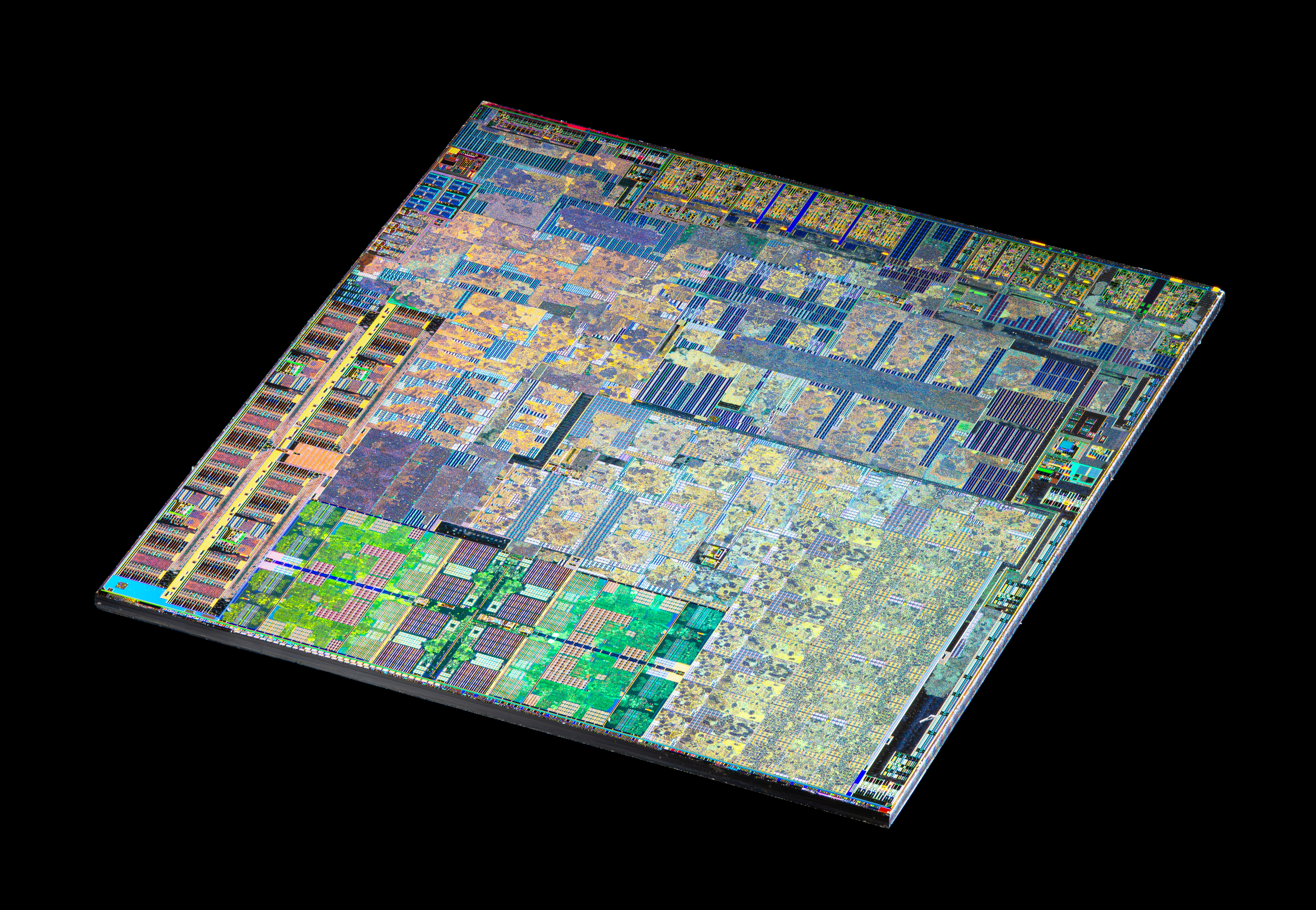
Valve Corporation announced and opened pre-orders this month for the Steam Machine, a small gaming PC designed to function like a console [4].
The device represents an attempt to standardize PC hardware. By providing a fixed-hardware platform, Valve aims to push developers to create better-optimized games rather than relying on generic ports that often perform poorly across diverse PC builds [1].
The Steam Machine runs SteamOS, with the latest version 3.8 expanding support for AMD hardware to provide more options for the device [3]. This software integration allows the machine to operate as a plug-and-play system for living room environments.
However, the launch has been met with scrutiny regarding its cost. The base model is priced at £879 [2]. This figure is higher than the company originally intended for the product's market entry.
Valve said the price of the Steam Machine is "significantly more" than it originally envisaged [2]. While the hardware provides a bridge between the flexibility of a PC and the convenience of a console, some early reactions suggest it may be less powerful than mainstream consoles relative to its price point [2].
Despite the cost concerns, some industry observers believe the move is a necessary step for the ecosystem. One analyst said the Steam Machine may help kill lazy PC gaming ports [1]. By forcing developers to target a specific set of specifications, the company hopes to elevate the overall quality of the PC gaming experience.
“Valve says the Steam Machine's price is "significantly more" than it originally envisaged.”
Valve is attempting to solve the 'fragmentation' problem of PC gaming. By creating a hardware baseline, they are trying to replicate the console development model where developers optimize for a single set of specs. If successful, this could reduce the prevalence of poorly optimized PC ports, though the high entry price may limit the device's initial adoption rate.


'%2F%3E%0A%20%20%20%20%3Crect%20width%3D'1600'%20height%3D'900'%20fill%3D'url(%23v)'%2F%3E%0A%20%20%20%20%3Cg%20opacity%3D'0.08'%20fill%3D'%23ffffff'%3E%0A%20%20%20%20%20%20%3Ccircle%20cx%3D'1420'%20cy%3D'180'%20r%3D'220'%2F%3E%0A%20%20%20%20%20%20%3Ccircle%20cx%3D'1500'%20cy%3D'760'%20r%3D'120'%2F%3E%0A%20%20%20%20%3C%2Fg%3E%0A%20%20%20%20%3Cline%20x1%3D'80'%20y1%3D'172'%20x2%3D'220'%20y2%3D'172'%20stroke%3D'%23ffffff'%20stroke-width%3D'3'%20stroke-opacity%3D'0.6'%2F%3E%0A%20%20%20%20%3Ctext%20x%3D'80'%20y%3D'140'%20font-family%3D'Inter%2C%20-apple-system%2C%20Helvetica%2C%20sans-serif'%20font-weight%3D'700'%20font-size%3D'28'%20fill%3D'%23ffffff'%20letter-spacing%3D'6'%3EHANNA%20%C2%B7%20NEWS%3C%2Ftext%3E%0A%20%20%20%20%3Ctext%20x%3D'80'%20y%3D'230'%20font-family%3D'Inter%2C%20-apple-system%2C%20Helvetica%2C%20sans-serif'%20font-weight%3D'600'%20font-size%3D'40'%20fill%3D'%23ffffffb3'%20letter-spacing%3D'4'%3ETECH%3C%2Ftext%3E%0A%20%20%20%20%3Ctext%20x%3D'80'%20y%3D'694'%20font-family%3D'Playfair%20Display%2C%20Georgia%2C%20serif'%20font-weight%3D'800'%20font-size%3D'110'%20fill%3D'%23ffffff'%20letter-spacing%3D'-1'%3EAntigravity%20Launches%20A1%208K%3C%2Ftext%3E%3Ctext%20x%3D'80'%20y%3D'820'%20font-family%3D'Playfair%20Display%2C%20Georgia%2C%20serif'%20font-weight%3D'800'%20font-size%3D'110'%20fill%3D'%23ffffff'%20letter-spacing%3D'-1'%3E360-Degree%20Drone%3C%2Ftext%3E%0A%20%20%20%20%3Ctext%20x%3D'80'%20y%3D'870'%20font-family%3D'Inter%2C%20-apple-system%2C%20Helvetica%2C%20sans-serif'%20font-weight%3D'500'%20font-size%3D'22'%20fill%3D'%23ffffff66'%20letter-spacing%3D'2'%3Enews.hanna-ai.com%3C%2Ftext%3E%0A%20%20%3C%2Fsvg%3E)