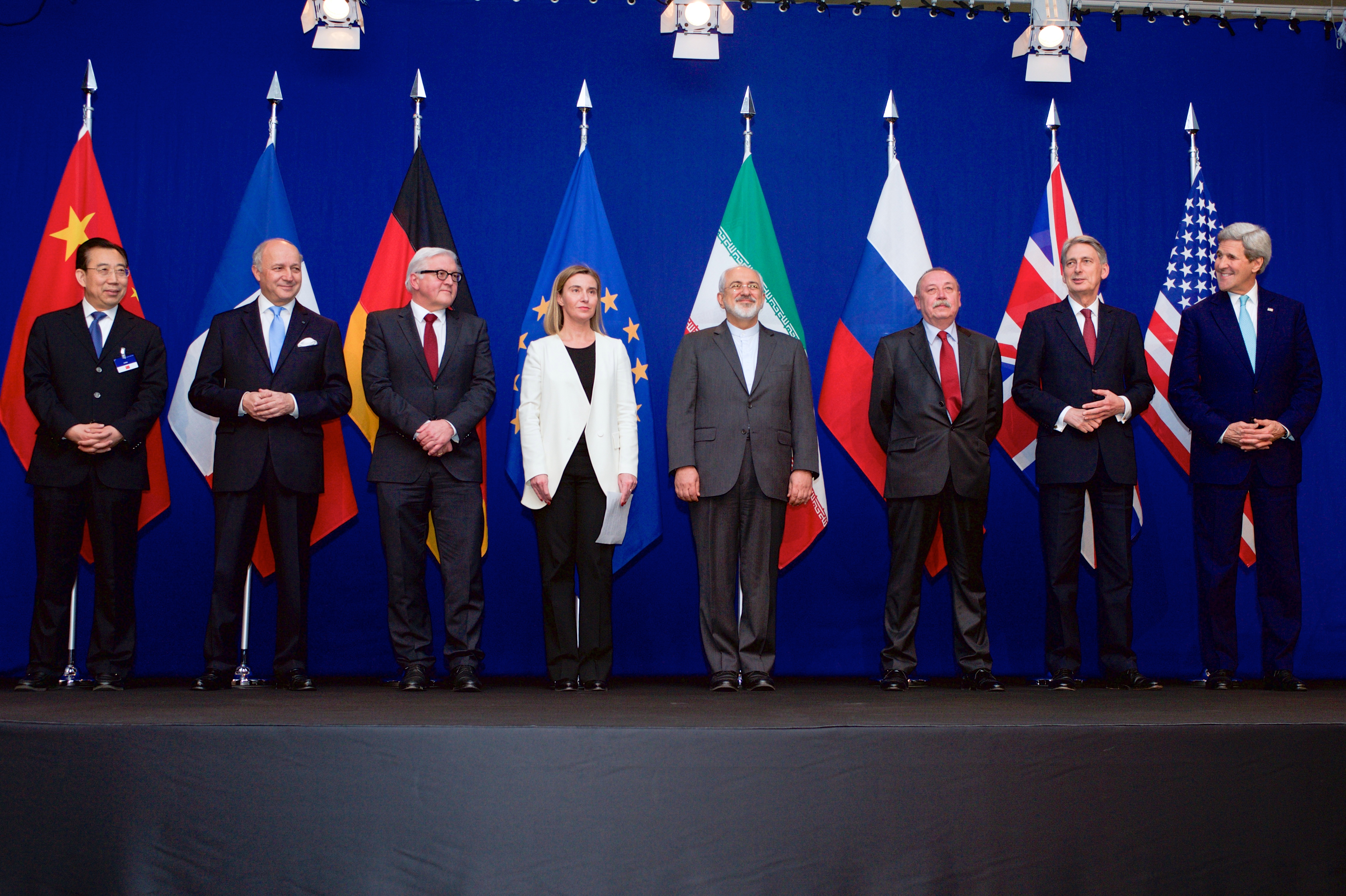
Vice President JD Vance briefed the media on June 18, 2026 [1], regarding a newly signed memorandum of understanding between the U.S. and Iran.
The agreement is intended to end active warfare and stabilize a volatile region through a combination of cease-fire measures and the easing of economic restrictions. By addressing both military escalations and nuclear concerns, the deal seeks to prevent a wider regional conflict.
Speaking from the White House briefing room, Vance said the primary components of the deal include a formal cease-fire and the lifting of the naval blockade on Iranian ports [2], [3]. These measures are designed to open the strait and facilitate a transition away from open hostilities [4].
Beyond the immediate cessation of fighting, the memorandum establishes a framework for negotiations over Iran's nuclear program [3], [5]. The U.S. intends to use these diplomatic channels to ensure long-term security while easing sanctions as milestones are met [4].
This appearance marked the second turn [6] that Vance has filled in for White House press secretary Karoline Leavitt. The briefing occurred amid reports of blowback regarding the terms of the agreement [7].
While the memorandum serves as an initial deal to end the war, the administration said that the process remains ongoing. The focus remains on the verification of cease-fire terms, and the gradual reopening of maritime trade routes [4], [8].
“The agreement includes a formal cease-fire and the lifting of the naval blockade on Iranian ports.”
The use of a memorandum of understanding rather than a formal treaty allows the U.S. and Iran to establish immediate conflict-reduction measures without immediate legislative ratification. By linking the lifting of naval blockades to nuclear negotiations, the administration is attempting to use economic relief as leverage to secure nuclear concessions.