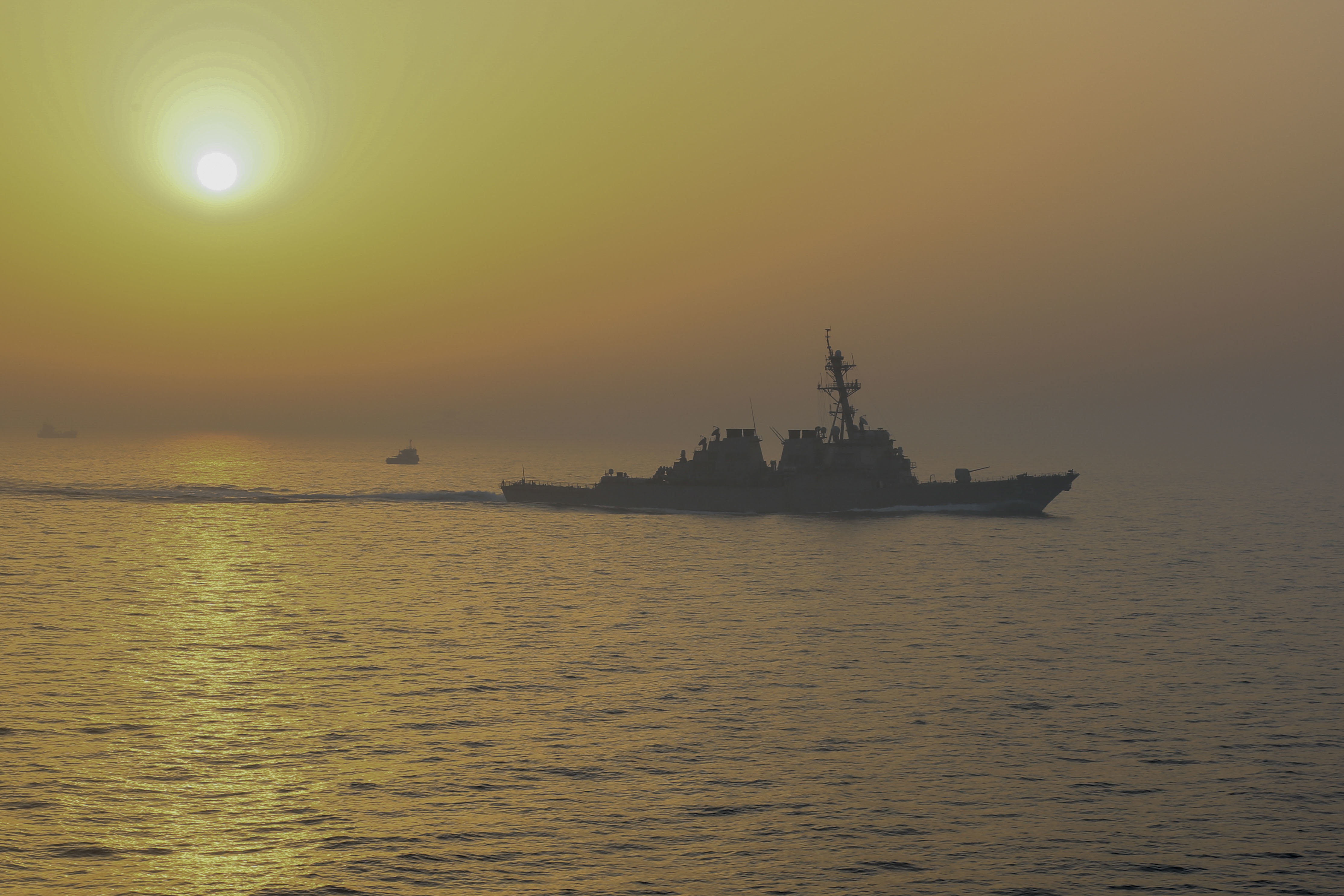
Vice President JD Vance arrived in Switzerland on June 20, 2026 [1], to hold talks with Iranian negotiators regarding a critical maritime corridor and nuclear deal.
The diplomatic mission comes at a moment of extreme regional volatility. The Strait of Hormuz is a primary artery for global oil shipments, and any disruption threatens to destabilize international energy markets and escalate military tensions in the Middle East.
The meetings focus on the status of the Strait of Hormuz and the specific terms of an interim nuclear agreement between the U.S. and Iran. Tensions spiked after Iran reportedly closed the strait in response to ongoing Israeli military strikes in Lebanon.
There is a significant contradiction regarding the current state of the waterway. Iran's military said it had closed the Strait of Hormuz [1]. However, U.S. officials said the strait remains open [1].
These discussions occur against a backdrop of warnings from U.S. intelligence, which suggested that Israel could potentially disrupt the peace talks. The goal of the Swiss summit is to resolve the immediate crisis surrounding the maritime blockade, and establish a stable framework for nuclear monitoring.
Because the talks are being held in an unspecified Swiss location, the level of secrecy suggests a high-stakes effort to avoid public posturing while negotiating the interim deal. The outcome of these meetings will likely determine whether the region moves toward a ceasefire or further military confrontation.
“The meetings focus on the status of the Strait of Hormuz and the specific terms of an interim nuclear agreement.”
The discrepancy between Iranian and U.S. claims regarding the Strait of Hormuz indicates a dangerous gap in communication and a high risk of miscalculation. If the U.S. cannot verify the openness of the strait, global shipping insurance rates will likely spike, creating economic pressure that could either force a diplomatic breakthrough or provide a pretext for naval escalation.


