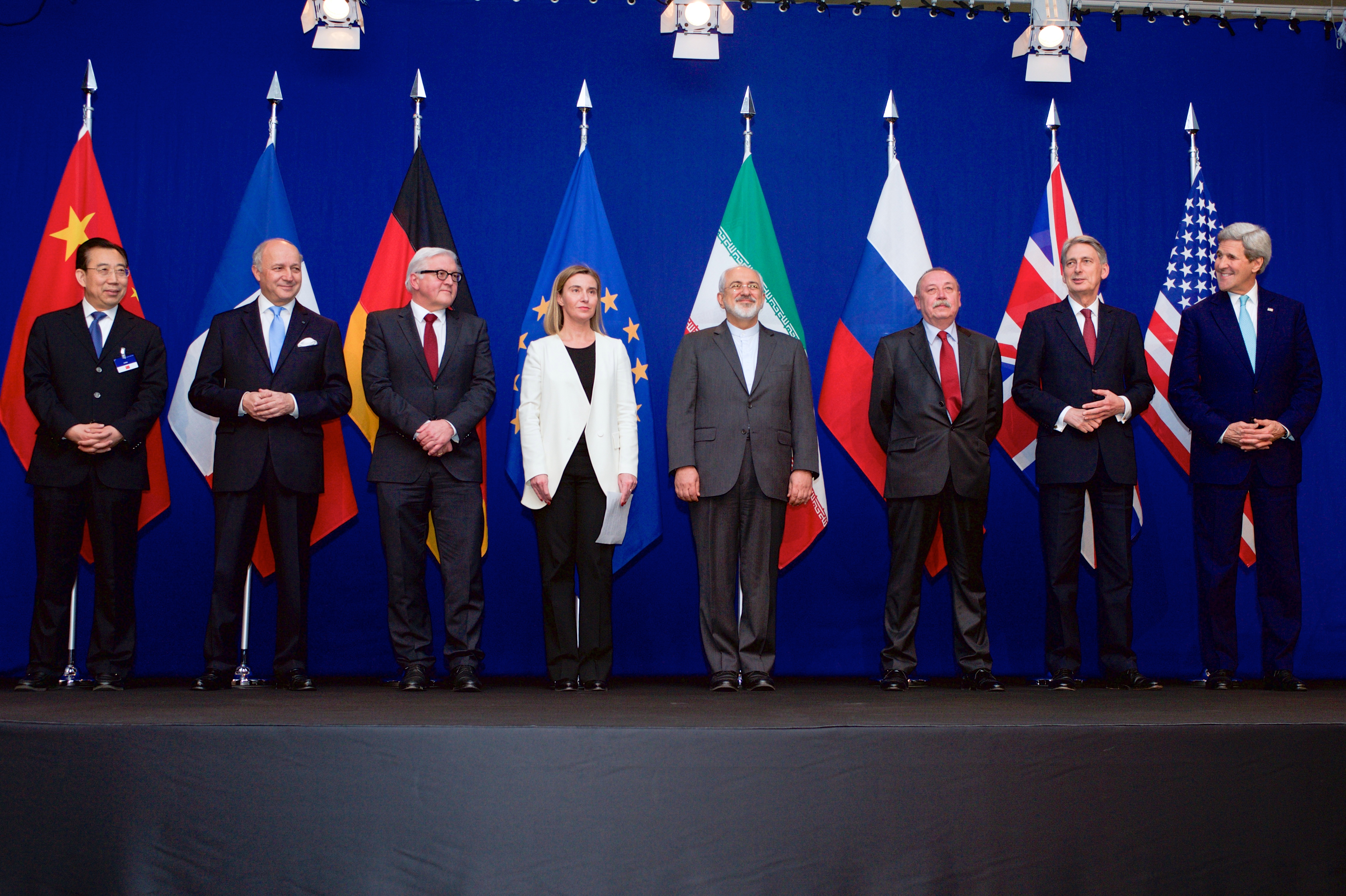
U.S. Vice President JD Vance arrived in Switzerland on Sunday, June 21, 2026 [1], to lead diplomatic negotiations with Iranian leaders.
These talks represent a critical attempt to prevent further escalation in the Middle East. The discussions follow a collapse in previous cease-fire agreements and seek to establish a new framework for regional stability.
The meetings in the Geneva area focus on several high-stakes objectives, including the status of Iran's nuclear program, and the possibility of sanctions relief [2]. Iranian officials said that the talks are centered on ending the war, securing relief from economic sanctions, and the release of frozen funds [3].
Diplomatic efforts are being supported by Pakistan and Qatar, who are acting as mediators to facilitate the dialogue [4]. The negotiations come amid ongoing tensions regarding the Strait of Hormuz, which continue to complicate the diplomatic landscape [2].
There were conflicting reports regarding the timing of the Vice President's arrival. Some reports indicated that Vance had delayed his trip to Switzerland to lead the talks [5], while other accounts confirmed he landed on Sunday to formally launch the proceedings [2].
U.S. officials are seeking a comprehensive agreement that addresses broader regional security concerns. The current round of talks serves as a test of existing memorandum of understanding commitments between the two nations [6].
“The discussions follow a collapse in previous cease-fire agreements.”
The shift toward direct negotiations led by the Vice President suggests a high-level U.S. priority to stabilize the region. By utilizing mediators like Qatar and Pakistan, the U.S. is attempting to build a multilateral bridge to Iran to address nuclear proliferation and maritime security in the Strait of Hormuz, which is vital for global energy markets.


