U.S. Vice President JD Vance and Pakistan Prime Minister Shehbaz Sharif held a bilateral meeting on June 21, 2026, in Switzerland [1].
The meeting occurs as the U.S. and Iran engage in critical negotiations to stabilize the Middle East and secure global shipping lanes. Because Pakistan is acting as a co-mediator alongside Qatar, the dialogue represents a strategic shift in how the U.S. manages diplomatic pressure on Tehran.
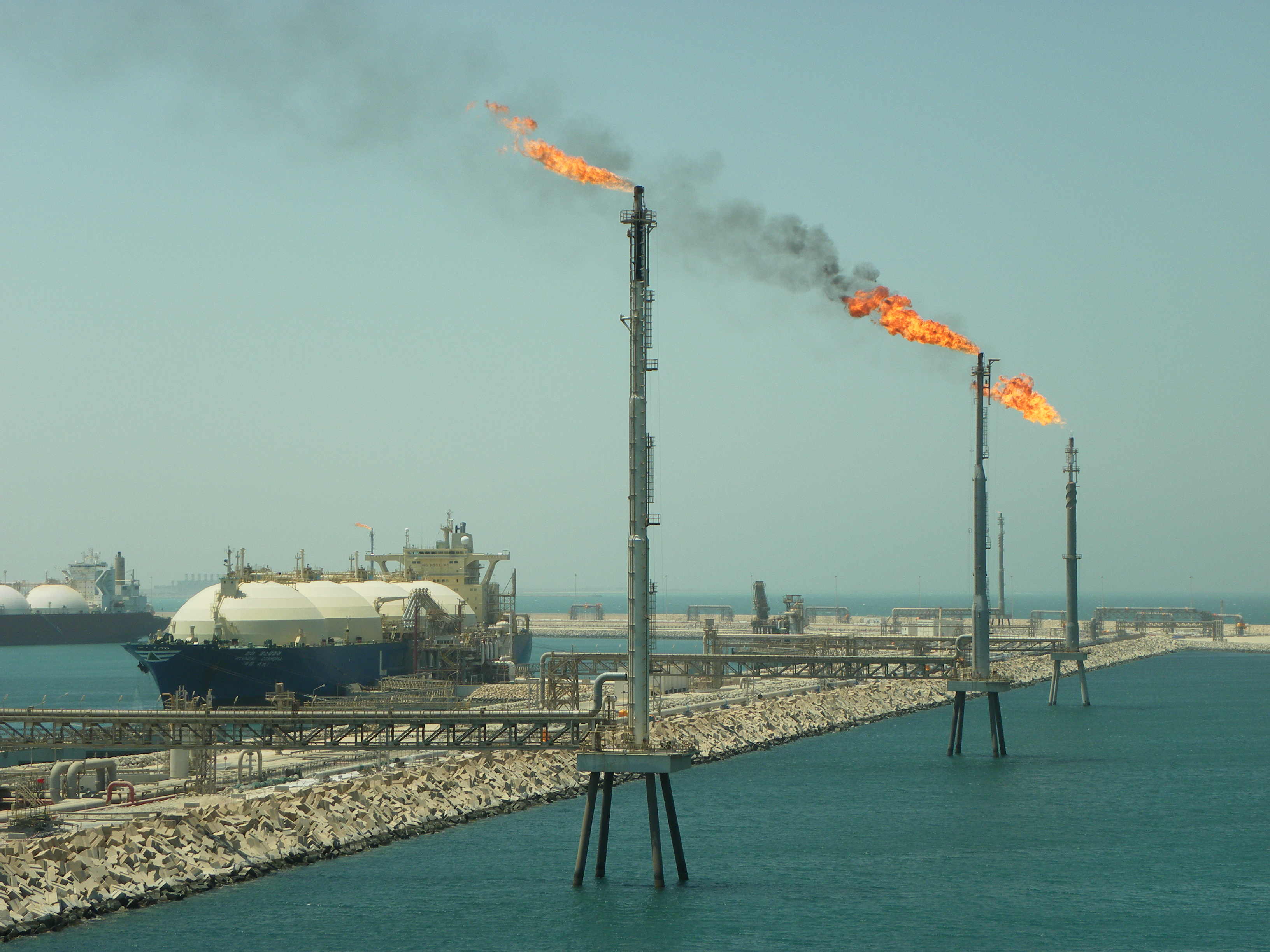
The leaders met at the Bürgenstock resort to discuss the implementation of an interim agreement between the U.S. and Iran [2]. This agreement consists of 14 points [3] aimed at reducing tensions, and establishing a framework for long-term stability. Central to these discussions is the reopening of the Strait of Hormuz, a vital artery for global oil shipments that has faced intermittent disruptions.
Beyond the specific terms of the nuclear and security deal, Vance and Sharif addressed the possibility of a broader regional ceasefire [4]. The U.S. delegation is seeking to ensure that the interim steps lead to a sustainable peace that prevents further escalation in the region. The two nations are working to synchronize their efforts to maintain the momentum of the current talks.
According to reports, the diplomatic process is not yet complete. The parties have established a timeline of 60 days for further talks to refine the agreement [3]. This window allows mediators to address remaining disputes over sanctions, and verification protocols before the interim deal expires or is formalized into a permanent treaty.
While some reports suggested the presence of Pakistan Army Chief Field Marshal Asim Munir, major news agencies did not confirm his attendance at the bilateral session [5]. The focus remained on the civilian leadership of both nations as they navigated the complexities of the Swiss-hosted negotiations.
“The agreement consists of 14 points aimed at reducing tensions.”
The involvement of Pakistan as a co-mediator signals a diversification of U.S. diplomatic channels in the Middle East. By leveraging Islamabad's relationship with Tehran, the U.S. is attempting to secure the Strait of Hormuz and a regional ceasefire without relying solely on traditional Western allies. The 60-day window for further negotiations indicates that while a framework exists, the most contentious elements of the 14-point deal remain unresolved.