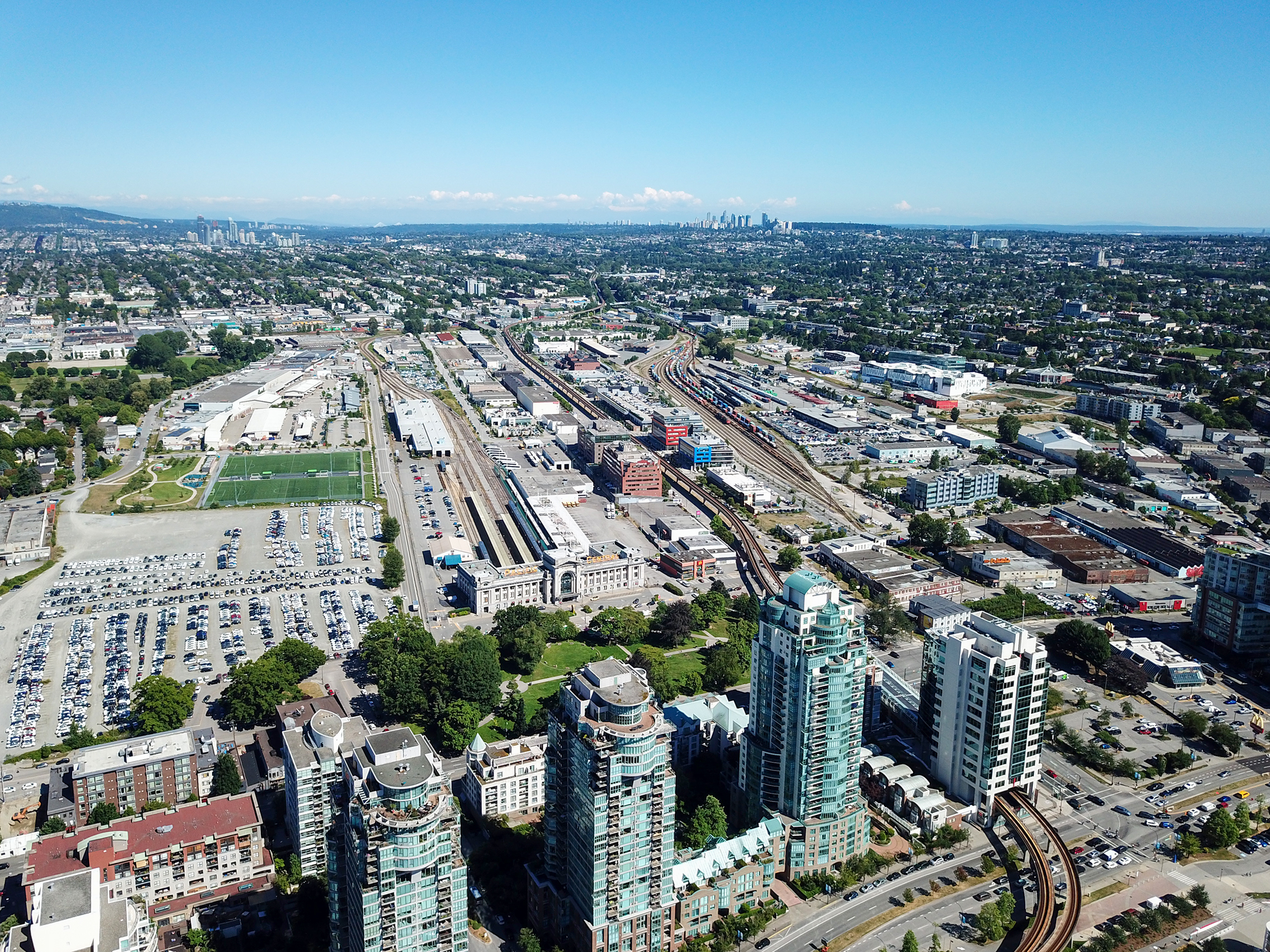
Conservation officers tranquilized and released a black bear after the animal wandered through East Vancouver on Friday [1, 2].
The incident highlights the ongoing challenges of managing wildlife in urban environments where residential areas overlap with natural habitats. Such encounters necessitate rapid response from wildlife officials to prevent potential conflicts between animals and city residents.
Local conservation officers responded to reports of the bear moving through the urban corridors of East Vancouver, British Columbia [1, 2]. Officials said the bear was tranquilized to facilitate its safe removal from the city center. The operation was conducted to ensure the safety of both the public and the animal [1, 2].
Officers said the bear displayed no aggressive behavior during the encounter [1, 2]. Once the animal was secured and assessed, officials released it back into a suitable wilderness area away from the urban population [1, 2].
While some reports erroneously placed the incident in other cities, verified data confirms the event took place in British Columbia [1, 2]. The bear's movement into the city is typical of foraging patterns, though it creates significant logistical hurdles for city management, particularly in densely populated neighborhoods.
Wildlife experts continue to monitor urban-wildlife interfaces in the region to reduce the frequency of these incursions [1, 2]. Residents are generally advised to secure attractants, such as garbage, and bird feeders, to discourage bears from entering residential zones [1, 2].
“The bear was tranquilized and later released after wandering through the city”
This incident underscores the increasing frequency of human-wildlife conflict as urban expansion encroaches on traditional bear habitats. The successful relocation without injury suggests that non-lethal management strategies remain effective, but the necessity of such interventions indicates a persistent struggle to keep foraging wildlife out of high-density residential areas.


