
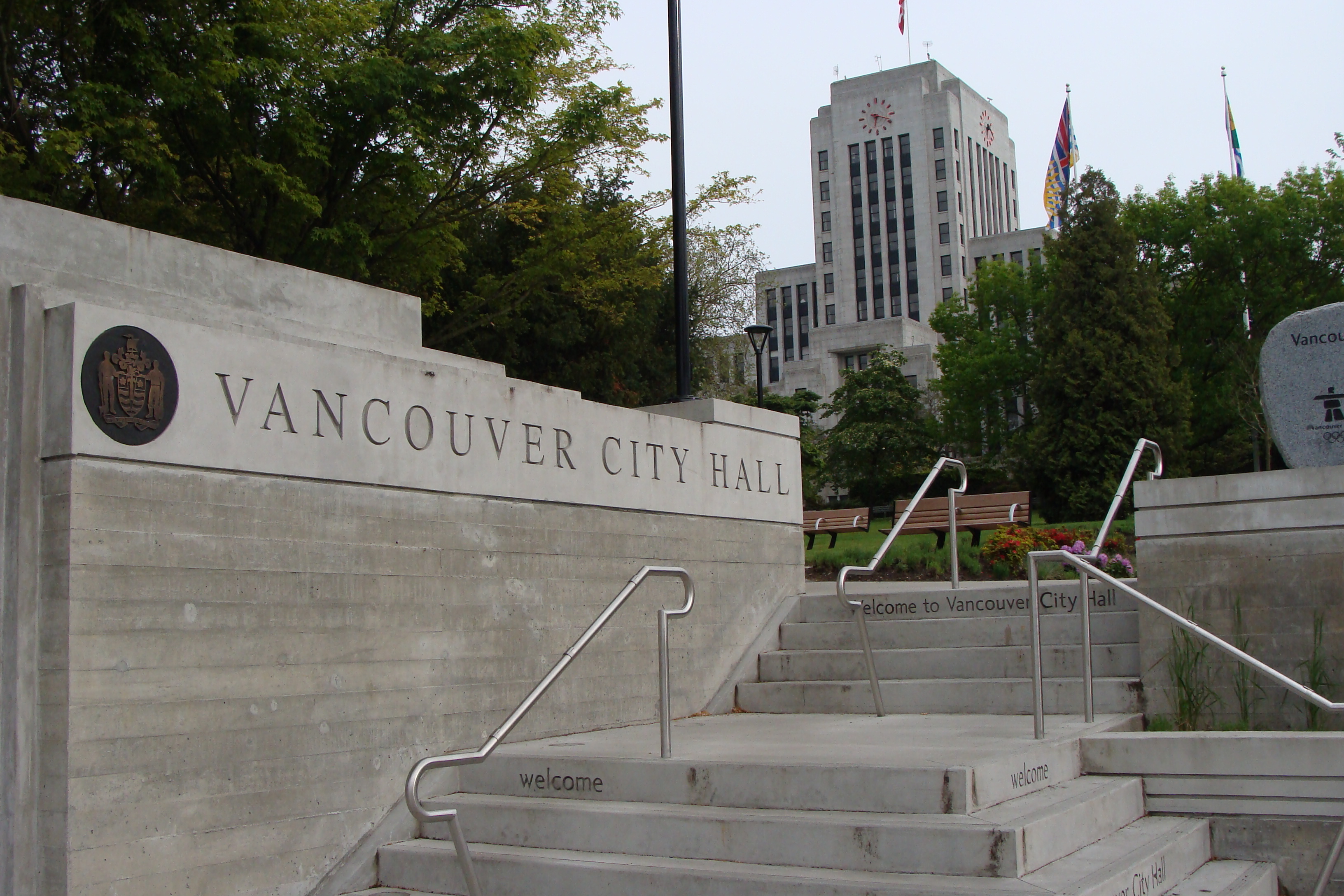
Vancouver City Council voted Tuesday not to sanction Mayor Ken Sim following an investigation into his conduct toward a colleague [1].
The decision marks a significant moment for municipal governance in British Columbia, as the city's governing body chose to disregard the findings of its own independent oversight officer regarding harassment and the misuse of power.
The integrity commissioner previously concluded that Mayor Sim harassed Councillor Sean Orr and misused the influence of his office [1]. Despite these findings, the council voted against imposing sanctions on the mayor [1].
The vote was split along party lines. Six councillors from the ABC party voted against the sanctions [1]. Meanwhile, four opposition councillors voted in favor of the sanctions [1].
Members of the ABC party majority questioned the validity of the integrity commissioner's report. They said the process was a weaponization of the office [2]. This perspective served as the primary justification for the vote to protect the mayor from penalties [2].
The investigation focused on the dynamics between the mayor and Councillor Orr, specifically addressing whether the mayor's actions exceeded the bounds of professional conduct. The rejection of the sanctions means the mayor will face no official disciplinary action from the council for the alleged harassment [1].
“Vancouver City Council voted Tuesday not to sanction Mayor Ken Sim”
The council's decision to reject the integrity commissioner's findings suggests a prioritization of party loyalty over the recommendations of independent ethics watchdogs. By framing the investigation as a 'weaponization' of the office, the ABC party majority has effectively weakened the perceived authority of the integrity commissioner to enforce conduct standards within Vancouver's city government.


