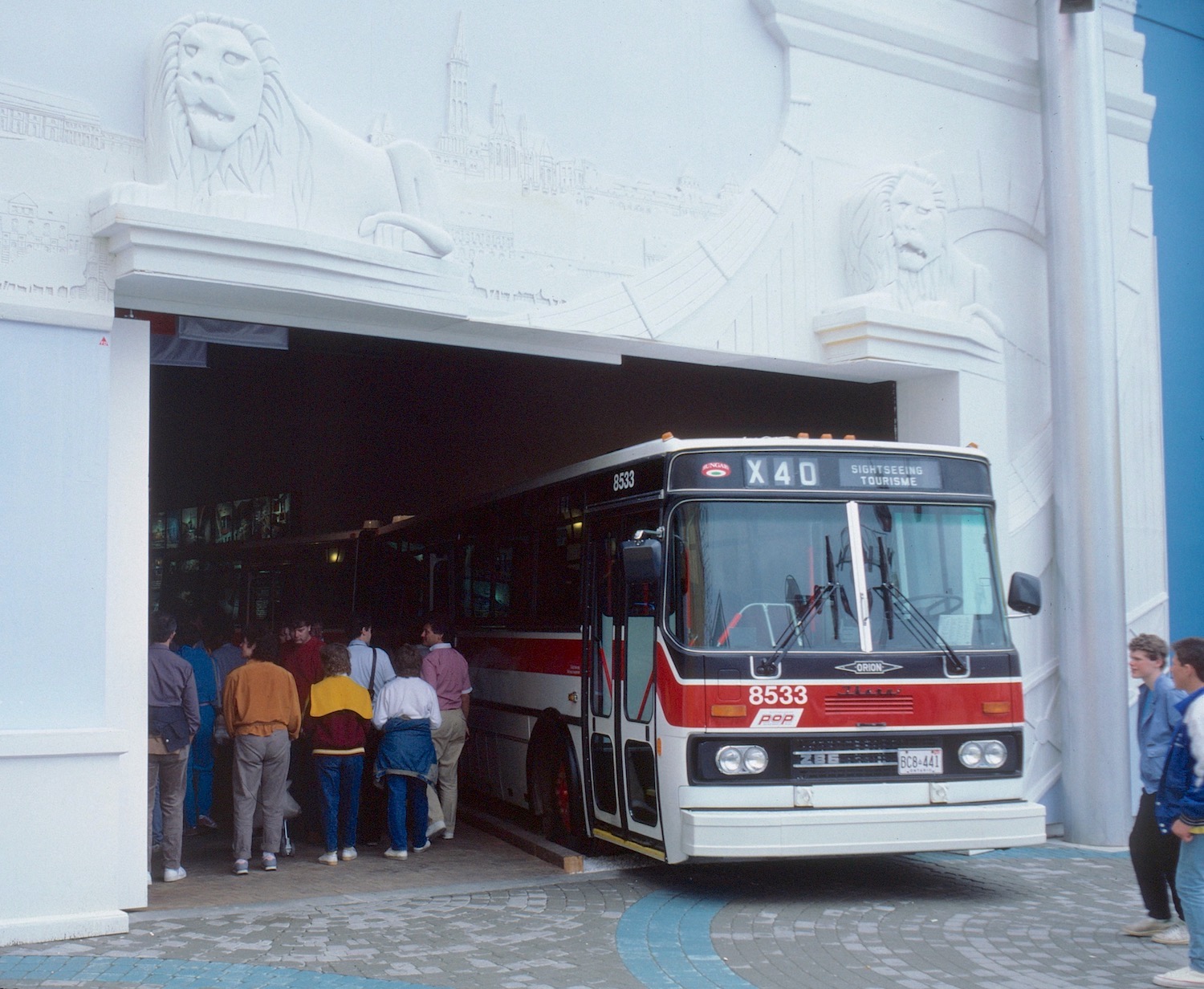
Vancouver is commemorating the 40th anniversary of Expo 86, an international exposition that fundamentally altered the city's urban landscape [2].
The event served as a catalyst for Vancouver's evolution from a regional port to a global destination. By stimulating economic growth and infrastructure development, the exposition created a blueprint for the city's modern expansion and international profile.
Running from May 2 to Oct. 13, 1986 [1], the World Exposition on Transportation and Communication celebrated the centennial of Canada’s trans-continental railway. The event focused on the waterfront area, which now encompasses Canada Place and the former Expo grounds [3, 4].
"Expo 86 put Vancouver on the world map and sparked a wave of development that still shapes the city today," Dave Hurlburt said [4]. This development included the construction of the SkyTrain line, a transit system designed specifically to support the influx of visitors during the fair.
The cultural impact extended beyond transit and architecture. The sudden surge of international attention and tourism shifted the local economy, particularly within the hospitality sector. Jane Doe said the city's restaurant scene exploded because of the event, turning Vancouver into a culinary hotspot [1].
Four decades later, the physical and social remnants of the fair remain integrated into the city's identity. Victoria Kopiloff said that 40 years after Expo 86, the traces of the event are still visible in the urban landscape of Vancouver [5].
The exposition's legacy is most evident in the continued use of the waterfront for high-density commercial, and tourism hubs. The transformation of the former Expo grounds into a center for business and leisure continues to drive the city's economic trajectory.
“Expo 86 put Vancouver on the world map and sparked a wave of development that still shapes the city today.”
The 40-year legacy of Expo 86 demonstrates how a temporary mega-event can permanently shift a city's trajectory. By aligning a global showcase with long-term infrastructure goals—such as the SkyTrain and waterfront redevelopment—Vancouver transitioned from a provincial center to a cosmopolitan hub, establishing the urban density and international openness that define the city today.


