
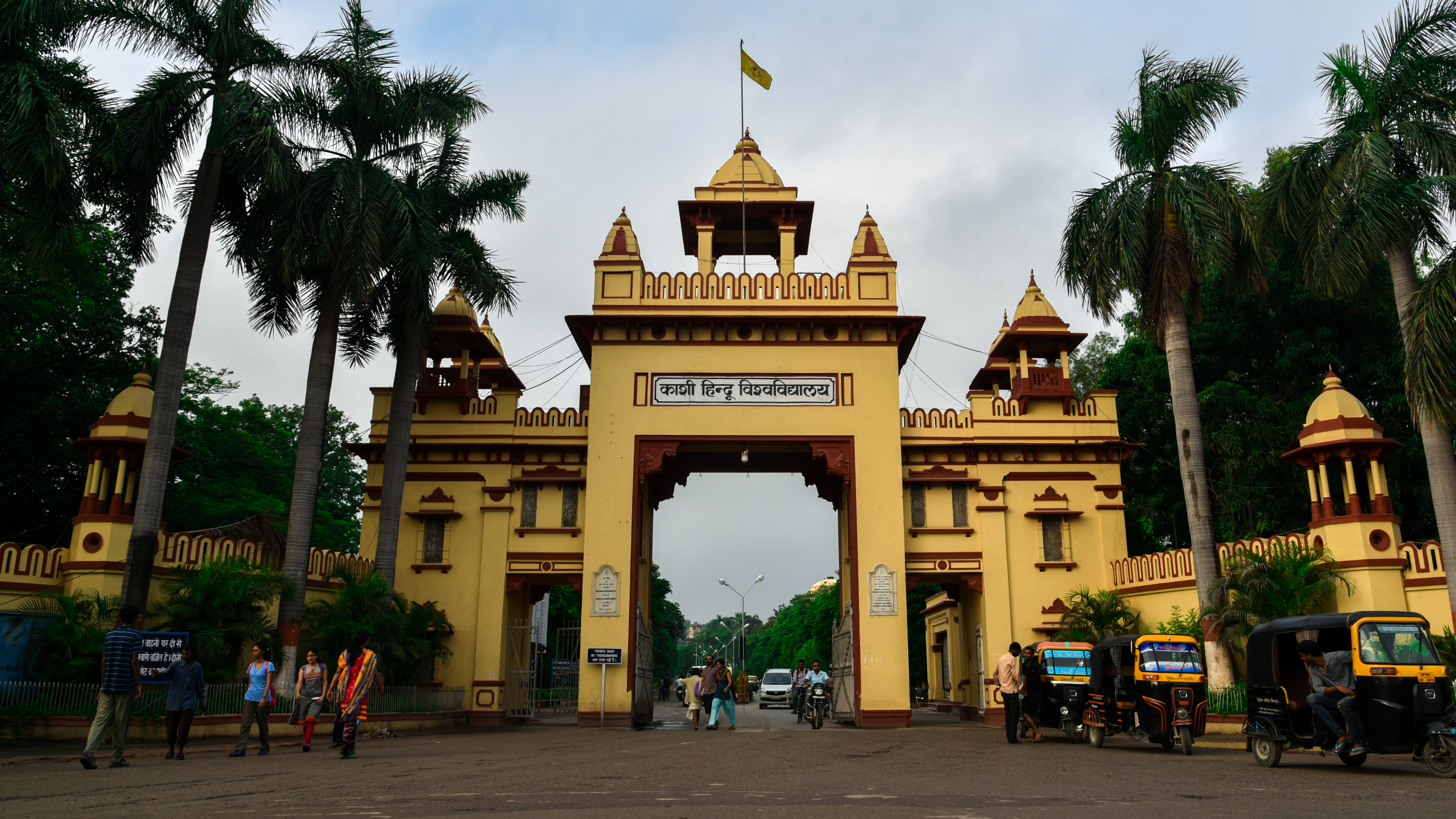
Muslim cleric Syed Saif Abbas Naqvi has supported the decision by the Varanasi Municipal Corporation to relocate meat and fish shops outside the city [1].
The move is significant as it shows a religious leader backing a policy that often sparks communal tension in India. By supporting the relocation, Naqvi seeks to decouple the consumption of non-vegetarian food from any single religious identity.
Naqvi said that meat consumption is not limited to Muslims [1]. He said that the relocation helps ensure universal respect for places of worship, preventing the association of specific dietary habits with one community [1].
Beyond the meat shop relocation, the cleric called for a similar ban on liquor shops situated near pilgrimage sites [1]. He said that moving these establishments would further protect the sanctity of religious areas and maintain a respectful environment for pilgrims [1].
The Varanasi Municipal Corporation's plan involves shifting these vendors away from the city center to designated areas [1]. This initiative aims to reorganize the urban landscape around the city's numerous shrines and temples [1].
Naqvi's position emphasizes a broader goal of mutual respect among different faith groups in Uttar Pradesh [1]. He said that the priority should be the dignity of worship sites regardless of the specific product being sold or consumed [1].
“Meat consumption is not limited to Muslims.”
This development reflects a strategic effort to frame urban zoning and public health regulations as matters of universal religious respect rather than targeted communal restrictions. By advocating for the relocation of both meat and liquor shops, the cleric is attempting to establish a consistent standard for the sanctity of pilgrimage sites that applies across different types of commerce and dietary habits.


