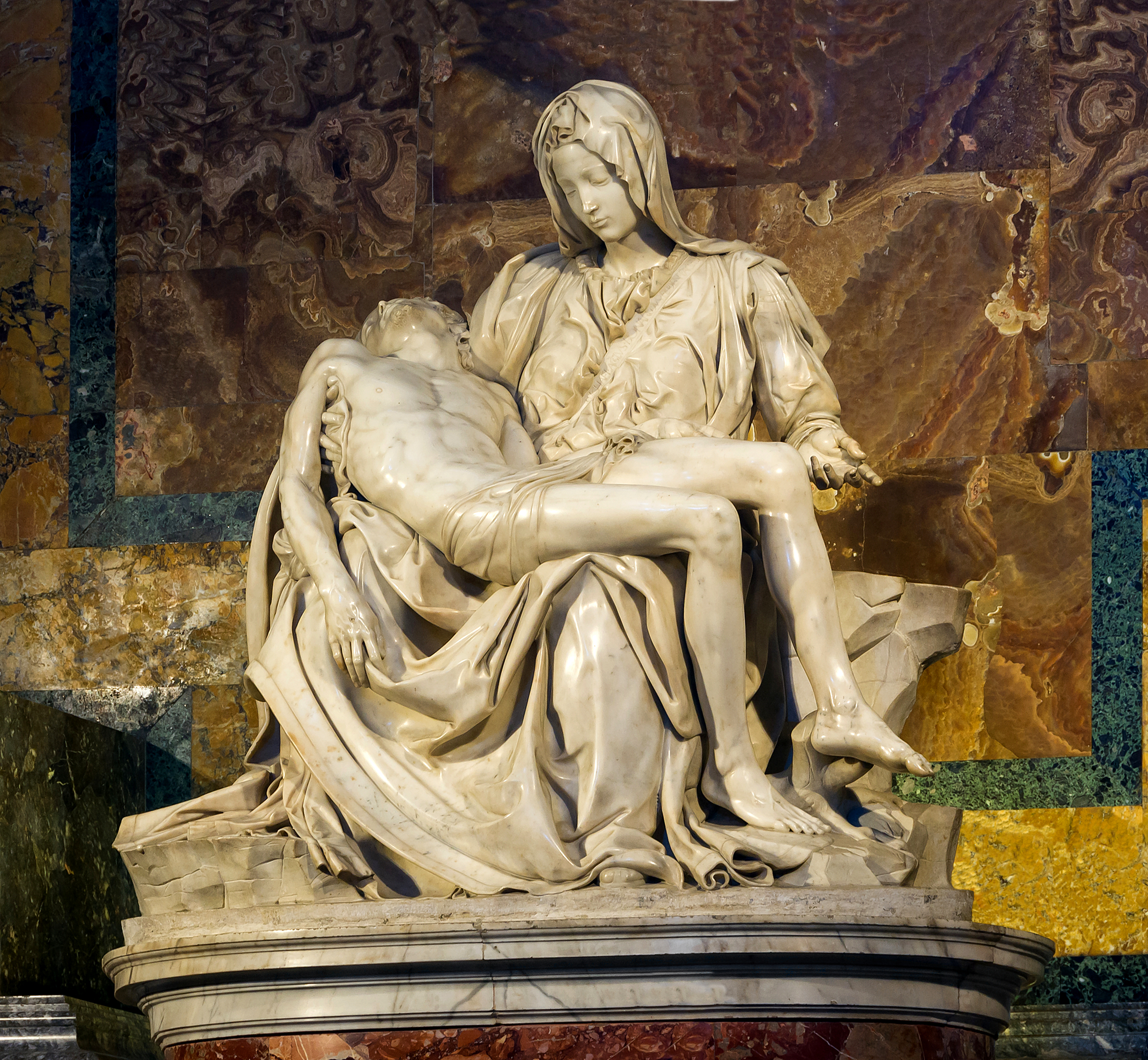
The Vatican declared the Society of St. Pius X to be in formal schism and excommunicated its bishops and priests on July 2, 2026 [1].
This move marks a severe escalation in the conflict between the papacy and the traditionalist wing of the Catholic Church. By issuing excommunications, the Vatican is formally severing the spiritual and legal ties of the group's leadership to the institutional church.
The decree issued in Rome follows a violation of canon law regarding the appointment of church leadership. The Society of St. Pius X consecrated bishops without the consent of Pope Leo XIV [2]. Under Catholic law, the act of consecrating a bishop without a papal mandate is considered one of the most serious offenses against church authority.
The excommunications affect the group's bishops and priests, and in some instances, certain lay faithful [3]. The Society has long operated on the fringes of the church, often rejecting modern reforms and adhering to traditional Latin rites. However, the act of creating new bishops without authorization creates a parallel hierarchy that the Vatican views as a direct challenge to the Pope's primacy.
Church officials said the decision was necessary to maintain the unity of the faith. The Society of St. Pius X has previously attempted to negotiate its status within the church, but those efforts failed to resolve the core dispute over authority and doctrine [2].
The announcement on July 2 [1] leaves the Society in a state of formal separation from the Holy See. This status means that the priests of the society are no longer authorized to administer sacraments in the name of the Catholic Church, and their bishops are stripped of their standing within the global ecclesiastical structure [3].
“The Vatican declared the Society of St. Pius X to be in formal schism.”
This action signals a hardline approach by Pope Leo XIV toward traditionalist dissent. By declaring a formal schism, the Vatican is prioritizing the legal chain of command and the principle of papal authority over the possibility of diplomatic reconciliation with the Society of St. Pius X. This may further polarize traditionalist Catholics and isolate the group from the official church structure.

'%2F%3E%0A%20%20%20%20%3Crect%20width%3D'1600'%20height%3D'900'%20fill%3D'url(%23v)'%2F%3E%0A%20%20%20%20%3Cg%20opacity%3D'0.08'%20fill%3D'%23ffffff'%3E%0A%20%20%20%20%20%20%3Ccircle%20cx%3D'1420'%20cy%3D'180'%20r%3D'220'%2F%3E%0A%20%20%20%20%20%20%3Ccircle%20cx%3D'1500'%20cy%3D'760'%20r%3D'120'%2F%3E%0A%20%20%20%20%3C%2Fg%3E%0A%20%20%20%20%3Cline%20x1%3D'80'%20y1%3D'172'%20x2%3D'220'%20y2%3D'172'%20stroke%3D'%23ffffff'%20stroke-width%3D'3'%20stroke-opacity%3D'0.6'%2F%3E%0A%20%20%20%20%3Ctext%20x%3D'80'%20y%3D'140'%20font-family%3D'Inter%2C%20-apple-system%2C%20Helvetica%2C%20sans-serif'%20font-weight%3D'700'%20font-size%3D'28'%20fill%3D'%23ffffff'%20letter-spacing%3D'6'%3EHANNA%20%C2%B7%20NEWS%3C%2Ftext%3E%0A%20%20%20%20%3Ctext%20x%3D'80'%20y%3D'230'%20font-family%3D'Inter%2C%20-apple-system%2C%20Helvetica%2C%20sans-serif'%20font-weight%3D'600'%20font-size%3D'40'%20fill%3D'%23ffffffb3'%20letter-spacing%3D'4'%3EWORLD%3C%2Ftext%3E%0A%20%20%20%20%3Ctext%20x%3D'80'%20y%3D'622'%20font-family%3D'Playfair%20Display%2C%20Georgia%2C%20serif'%20font-weight%3D'800'%20font-size%3D'86'%20fill%3D'%23ffffff'%20letter-spacing%3D'-1'%3EBRICS%20Anti-Drug%20Agencies%3C%2Ftext%3E%3Ctext%20x%3D'80'%20y%3D'721'%20font-family%3D'Playfair%20Display%2C%20Georgia%2C%20serif'%20font-weight%3D'800'%20font-size%3D'86'%20fill%3D'%23ffffff'%20letter-spacing%3D'-1'%3EMeet%20in%20Guwahati%20to%20Combat%3C%2Ftext%3E%3Ctext%20x%3D'80'%20y%3D'820'%20font-family%3D'Playfair%20Display%2C%20Georgia%2C%20serif'%20font-weight%3D'800'%20font-size%3D'86'%20fill%3D'%23ffffff'%20letter-spacing%3D'-1'%3ETrafficking%3C%2Ftext%3E%0A%20%20%20%20%3Ctext%20x%3D'80'%20y%3D'870'%20font-family%3D'Inter%2C%20-apple-system%2C%20Helvetica%2C%20sans-serif'%20font-weight%3D'500'%20font-size%3D'22'%20fill%3D'%23ffffff66'%20letter-spacing%3D'2'%3Enews.hanna-ai.com%3C%2Ftext%3E%0A%20%20%3C%2Fsvg%3E)
