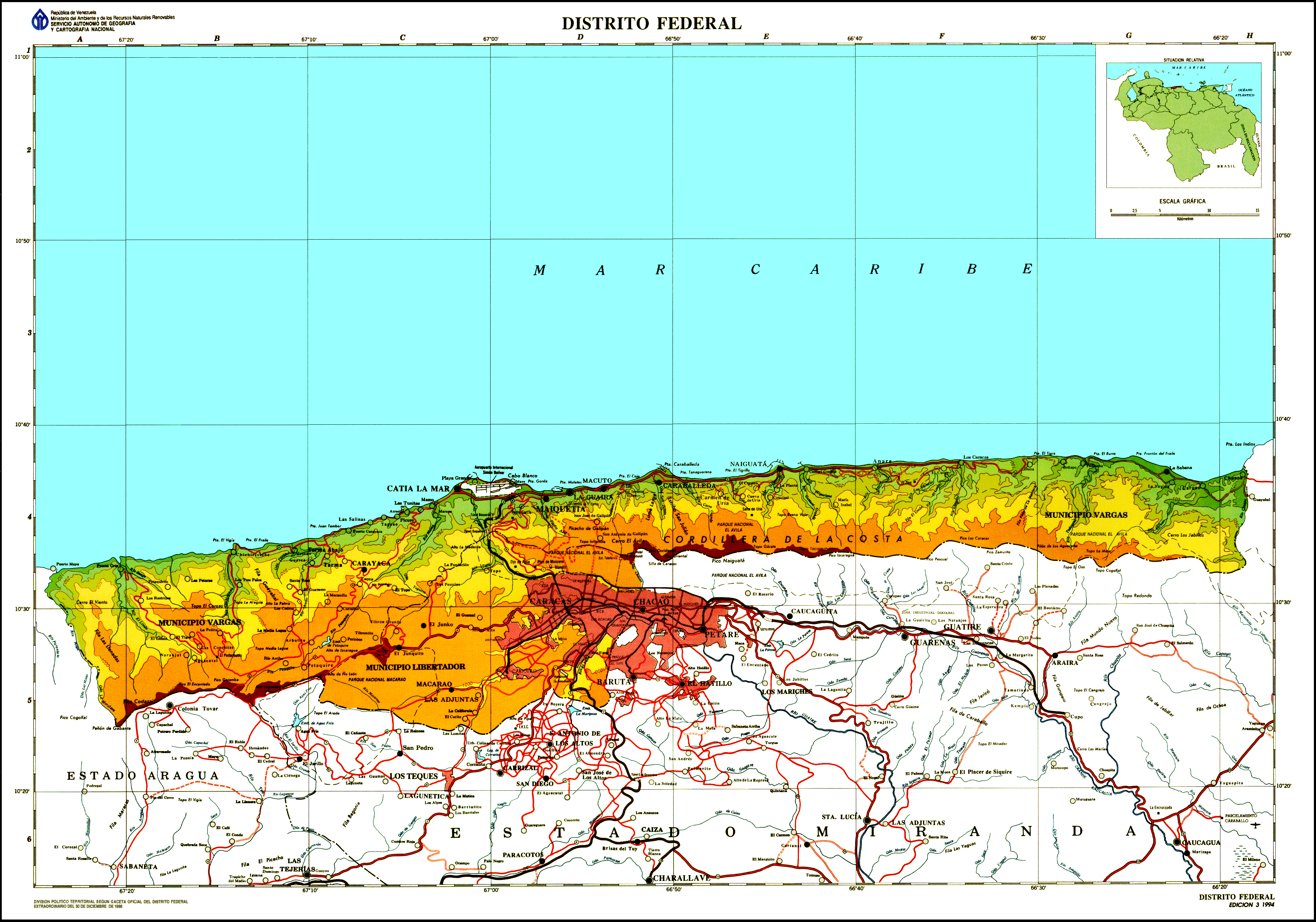
Two powerful earthquakes of magnitude 7.2 and 7.5 struck near Caracas, Venezuela, causing severe damage and multiple casualties [5].
The back-to-back tremors represent a significant seismic event for the region, threatening urban infrastructure in and around the capital city. The scale of the disaster is complicated by conflicting reports regarding the number of victims.
Reports on the loss of life vary significantly between news agencies. Some sources report at least 32 people died [1], while other reports state at least 164 people died [2]. These discrepancies highlight the difficulty of coordinating casualty counts during the immediate aftermath of such large-scale structural collapses.
Injuries are also widespread. One report indicates at least 700 people were injured [3], while other accounts describe the number of injured as reaching into the hundreds [4].
The seismic activity caused structures to collapse into rubble [5]. The magnitude 7.2 and 7.5 tremors created a level of devastation that has left residents and emergency services struggling to assess the full extent of the wreckage near Caracas [1], [5].
Acting President Delcy Rodríguez said the events were the result of natural seismic activity, which triggered the series of powerful quakes [6].
Emergency responses are ongoing as rescue teams search through the debris of collapsed buildings. The proximity of the epicenters to the densely populated capital has increased the risk of high casualty rates and prolonged recovery efforts.
“Two powerful earthquakes of magnitude 7.2 and 7.5 struck near Caracas, Venezuela.”
The variance in casualty figures—ranging from 32 to 164 deaths—suggests a breakdown in real-time communication or a rapidly evolving crisis scene. Because the earthquakes struck near a major population center like Caracas, the severe structural damage will likely require an international humanitarian response, as local infrastructure may be too compromised to manage the scale of the injuries and deaths.


