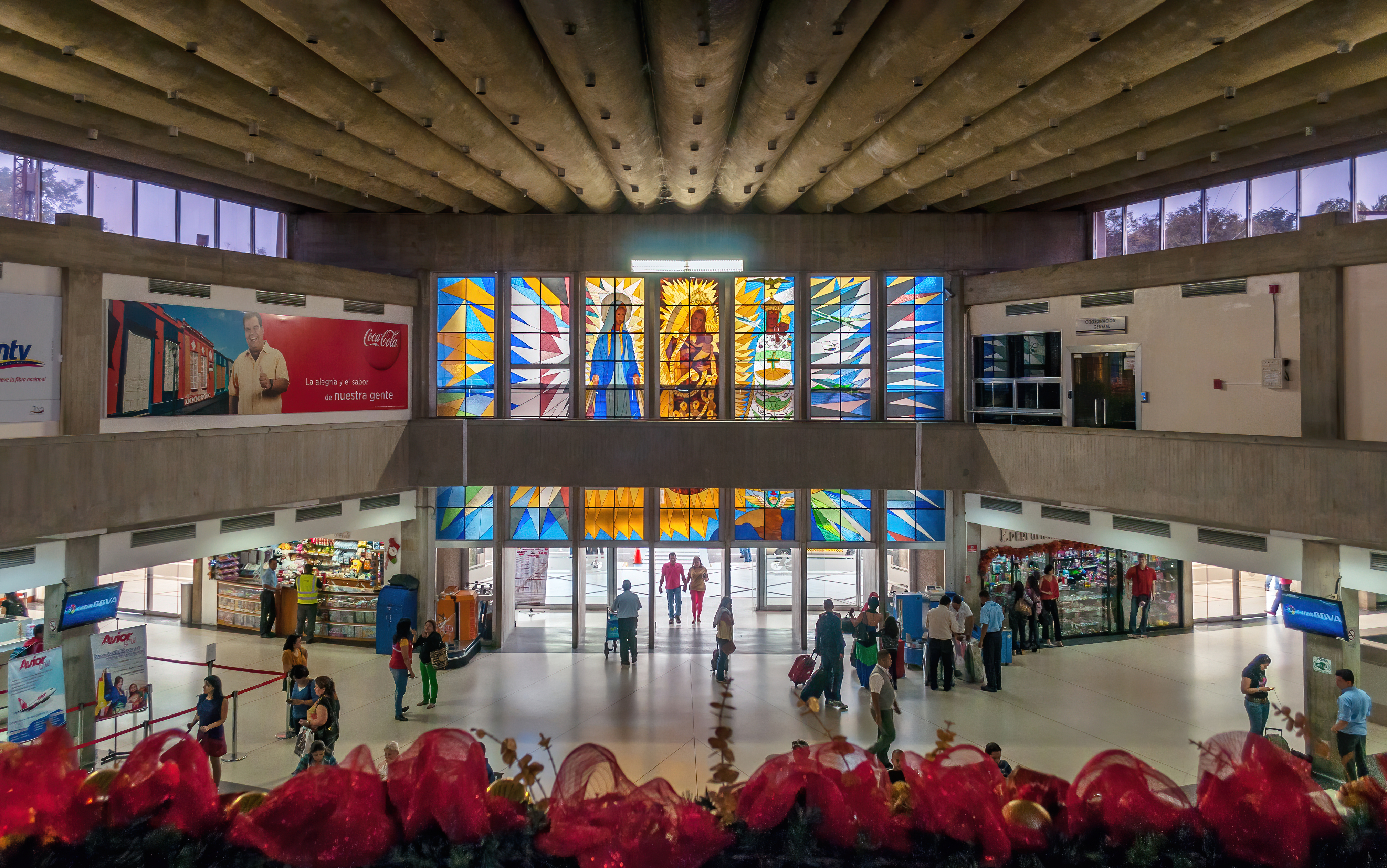
Two powerful back-to-back earthquakes struck Venezuela on Thursday, toppling buildings and shutting down the Simon Bolívar International Airport [1], [4].
The disasters hit the capital city of Caracas and surrounding areas, causing immediate structural failure in high-rise buildings and cracking roads [1], [3]. Because the main international gateway was closed, the country faces significant challenges in coordinating emergency responses and receiving international aid.
Casualty reports vary significantly as rescue operations continue. The acting president of Venezuela said at least 32 people died [1]. However, the Wall Street Journal reported a higher toll of at least 164 dead [2]. Some reports suggest a far more catastrophic outcome, with Moneycontrol stating that nearly 100,000 people are feared dead [3].
Footage from the Simon Bolívar International Airport showed intense shaking inside the terminal during the events [2]. The seismic activity caused high-rise building pools to break and entire structures to crumble in the capital [3].
Local residents in Caracas described a scene of chaos as the two earthquakes hit in quick succession [1]. Emergency crews are currently working through the rubble of collapsed buildings to locate survivors, though the scale of the destruction has hindered movement across the city [1], [3].
Authorities have not yet confirmed the exact magnitude of the two quakes, but the resulting damage to critical infrastructure has left the capital in a state of crisis [1], [2].
“Two powerful back-to-back earthquakes struck Venezuela, toppling buildings”
The disparity in death toll reports—ranging from 32 to nearly 100,000—indicates a collapse in reliable communication and a lack of centralized data during the initial hours of the crisis. The closure of the Simon Bolívar International Airport further isolates the region, likely delaying the arrival of heavy rescue equipment and international medical teams needed to navigate the urban ruins of Caracas.


