A powerful earthquake struck Venezuela this week, killing 188 people [1].
The disaster underscores the extreme vulnerability of the Caracas region to seismic activity. The combination of geological instability and inadequate infrastructure often leads to catastrophic building failures during tremors.
According to reports, more than 1,500 people were injured in the quake [1]. The destruction has left about 3,000 families without homes [1]. Many of the fatalities resulted from "pancake" building collapses, where floors collapse onto one another, trapping residents beneath concrete slabs.
Seismologists and geologists said the country is prone to these events because it sits on the boundary between the Caribbean and South American tectonic plates [2]. This positioning creates constant geological tension that is released through frequent and strong earthquakes [2].
While the tectonic location is the primary cause of the tremors, experts said the scale of the casualties is amplified by human factors. Weak building standards across the country mean that many structures cannot withstand significant shaking [3]. This lack of seismic-resistant construction transforms natural tremors into man-made disasters, leading to the widespread collapse of residential and commercial blocks.
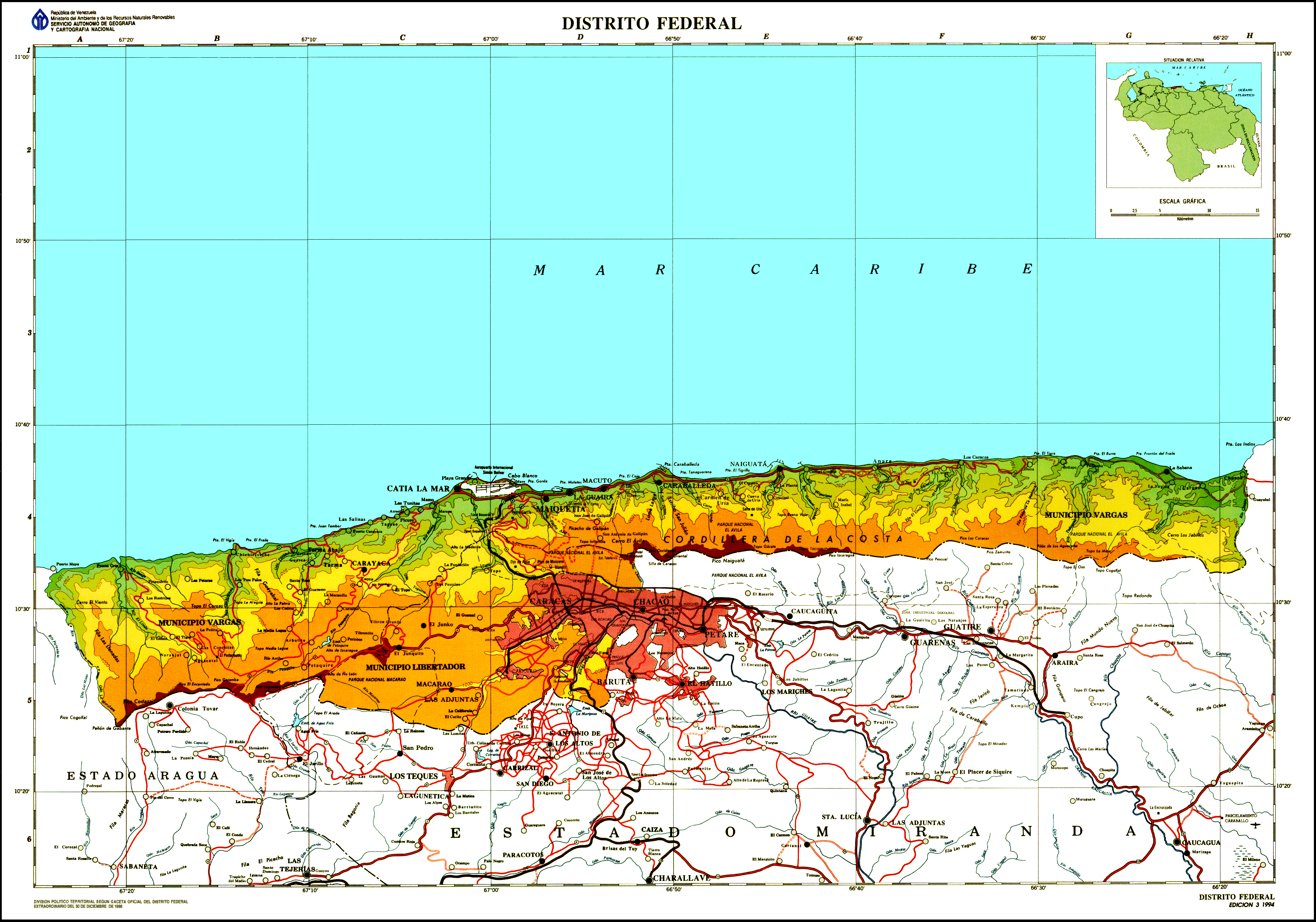
Rescue workers have focused their efforts on the Caracas region, where the most intense damage was reported. The June 2026 event is the latest in a pattern of deadly seismic activity that continues to plague the region [4].
“188 people died in the recent earthquake.”
The recurring devastation in Venezuela illustrates a critical intersection between natural geography and urban planning. While the country cannot change its position on a tectonic plate boundary, the high death toll suggests that the primary driver of mortality is the failure of the built environment. Without a systemic overhaul of building codes and infrastructure enforcement, the region will remain susceptible to high casualty rates regardless of the earthquake's magnitude.