At least 188 people died after a series of strong earthquakes struck the north coast of Venezuela [1].
The disaster has triggered a humanitarian crisis in the coastal region, where the collapse of critical infrastructure and widespread building failures have left thousands without shelter or communication.
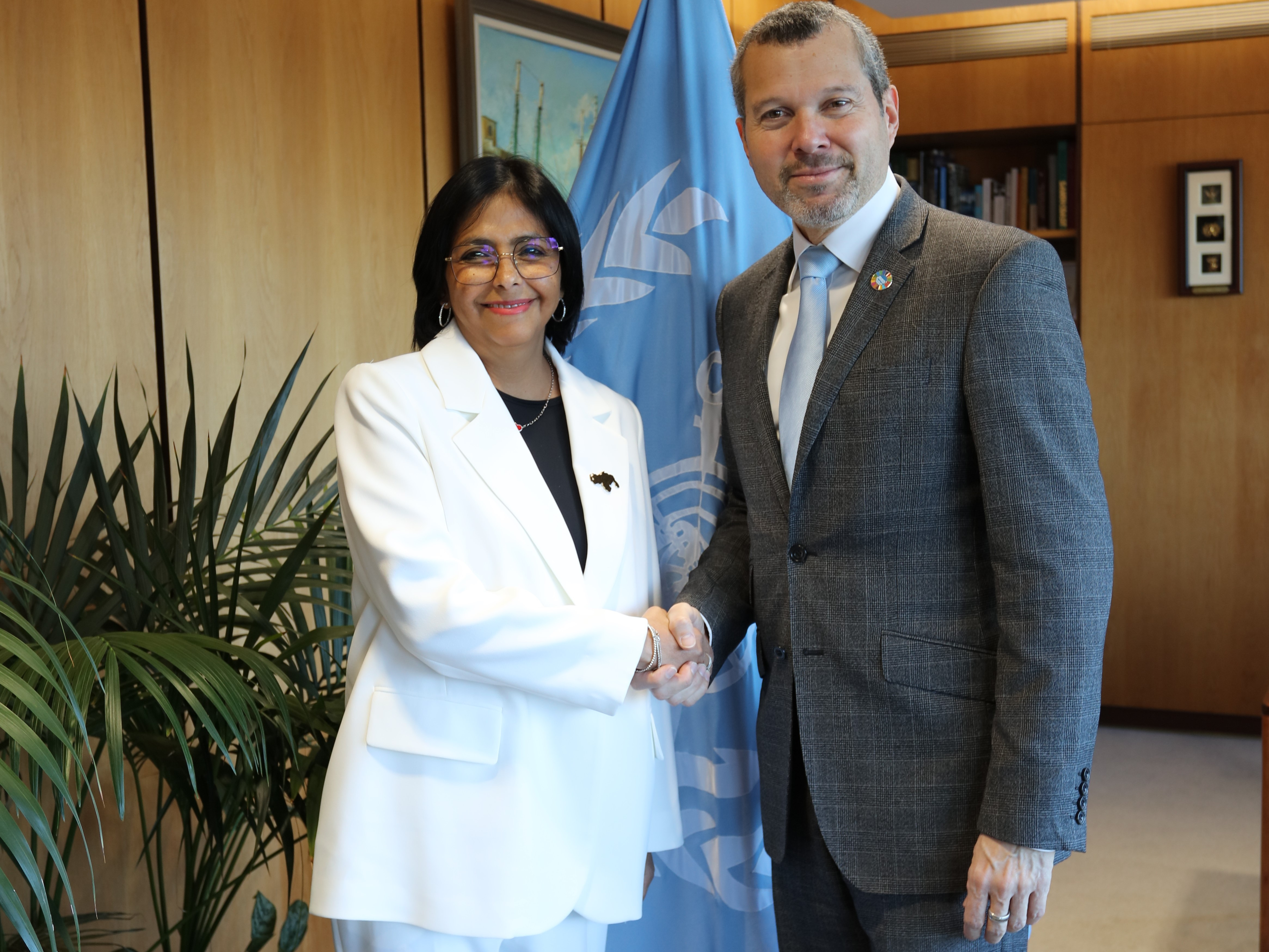
Interim President Delcy Rodríguez declared a national emergency following the seismic activity [1, 2]. The most severe damage occurred in the coastal city of La Guaira, where a magnitude 7.1 earthquake caused extensive building collapses [2, 3].
Official reports indicate that more than 35,000 people are missing [1]. The scale of the disappearance suggests a massive displacement of the population, or a high number of casualties trapped beneath rubble in the hardest-hit zones.
Medical facilities are struggling to manage the influx of casualties. Reports on the number of injured vary slightly between sources, with figures ranging from 1,500 [3] to 1,520 people [2]. Rescue operations are currently focused on the devastated streets of La Guaira to locate survivors among the ruins.
Government officials have not yet provided a full timeline for the recovery efforts, but the declaration of a national emergency allows for the mobilization of state resources to the north coast. The region remains vulnerable to further seismic activity as teams work to clear debris and establish emergency shelters for those displaced by the quakes.
“At least 188 people died after a series of strong earthquakes struck the north coast of Venezuela.”
The magnitude 7.1 earthquake and the resulting death toll highlight the vulnerability of Venezuela's coastal infrastructure to high-intensity seismic events. With over 35,000 people reported missing, the disaster may exceed the current capacity of local emergency services, potentially requiring international humanitarian aid to manage the recovery and search-and-rescue operations in La Guaira.


'%2F%3E%0A%20%20%20%20%3Crect%20width%3D'1600'%20height%3D'900'%20fill%3D'url(%23v)'%2F%3E%0A%20%20%20%20%3Cg%20opacity%3D'0.08'%20fill%3D'%23ffffff'%3E%0A%20%20%20%20%20%20%3Ccircle%20cx%3D'1420'%20cy%3D'180'%20r%3D'220'%2F%3E%0A%20%20%20%20%20%20%3Ccircle%20cx%3D'1500'%20cy%3D'760'%20r%3D'120'%2F%3E%0A%20%20%20%20%3C%2Fg%3E%0A%20%20%20%20%3Cline%20x1%3D'80'%20y1%3D'172'%20x2%3D'220'%20y2%3D'172'%20stroke%3D'%23ffffff'%20stroke-width%3D'3'%20stroke-opacity%3D'0.6'%2F%3E%0A%20%20%20%20%3Ctext%20x%3D'80'%20y%3D'140'%20font-family%3D'Inter%2C%20-apple-system%2C%20Helvetica%2C%20sans-serif'%20font-weight%3D'700'%20font-size%3D'28'%20fill%3D'%23ffffff'%20letter-spacing%3D'6'%3EHANNA%20%C2%B7%20NEWS%3C%2Ftext%3E%0A%20%20%20%20%3Ctext%20x%3D'80'%20y%3D'230'%20font-family%3D'Inter%2C%20-apple-system%2C%20Helvetica%2C%20sans-serif'%20font-weight%3D'600'%20font-size%3D'40'%20fill%3D'%23ffffffb3'%20letter-spacing%3D'4'%3EWORLD%3C%2Ftext%3E%0A%20%20%20%20%3Ctext%20x%3D'80'%20y%3D'694'%20font-family%3D'Playfair%20Display%2C%20Georgia%2C%20serif'%20font-weight%3D'800'%20font-size%3D'110'%20fill%3D'%23ffffff'%20letter-spacing%3D'-1'%3EFIFA%20Funds%20Soccer%20Program%3C%2Ftext%3E%3Ctext%20x%3D'80'%20y%3D'820'%20font-family%3D'Playfair%20Display%2C%20Georgia%2C%20serif'%20font-weight%3D'800'%20font-size%3D'110'%20fill%3D'%23ffffff'%20letter-spacing%3D'-1'%3Efor%20Migrants%20in%20Australia%3C%2Ftext%3E%0A%20%20%20%20%3Ctext%20x%3D'80'%20y%3D'870'%20font-family%3D'Inter%2C%20-apple-system%2C%20Helvetica%2C%20sans-serif'%20font-weight%3D'500'%20font-size%3D'22'%20fill%3D'%23ffffff66'%20letter-spacing%3D'2'%3Enews.hanna-ai.com%3C%2Ftext%3E%0A%20%20%3C%2Fsvg%3E)