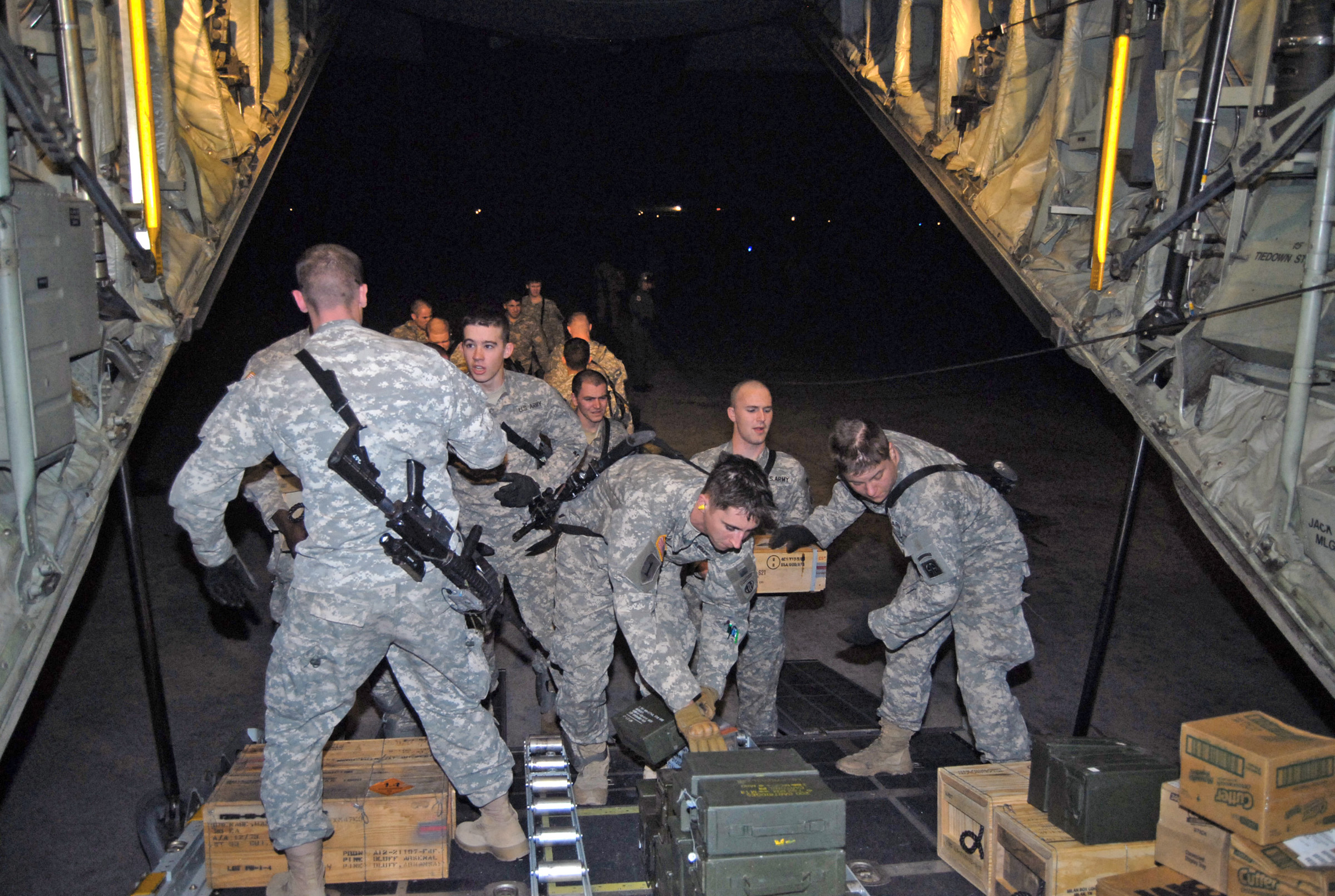
Rescue teams are racing to find survivors trapped in rubble after two powerful earthquakes struck northern Venezuela, particularly the coastal city of La Guaira [1, 2].
The operation is critical because the window for finding living survivors under debris narrows significantly after three days. Rescuers are working against a 72-hour survival window [3, 6] to extract those still alive before the likelihood of rescue drops.
Casualty reports vary across sources as the disaster unfolds. Some reports indicate at least 188 deaths [1], while other figures place the toll at 235 [2]. A third report suggests that more than 1,000 people have died [3].
Injury counts also show significant discrepancies. One report lists approximately 1,500 people injured [1], a figure far lower than the 4,300 injuries reported by other sources [2].
Local and foreign rescue teams are operating without pause in the affected regions [1, 2]. They are focusing their efforts on heavily damaged structures in La Guaira, where the impact of the seismic activity was most severe [1, 3].
The coordination between domestic agencies and international aid is central to the current effort. Teams are using specialized equipment to locate heartbeats and voices beneath the concrete, and steel of collapsed buildings [1, 2].
“Rescuers are working against a 72-hour survival window to extract those still alive.”
The wide variance in casualty numbers suggests a chaotic reporting environment and potential difficulties in communication from the disaster zone. The focus on the 72-hour window highlights the urgency of the mission, as the transition from a rescue operation to a recovery operation typically occurs once this timeframe expires.
'%2F%3E%0A%20%20%20%20%3Crect%20width%3D'1600'%20height%3D'900'%20fill%3D'url(%23v)'%2F%3E%0A%20%20%20%20%3Cg%20opacity%3D'0.08'%20fill%3D'%23ffffff'%3E%0A%20%20%20%20%20%20%3Ccircle%20cx%3D'1420'%20cy%3D'180'%20r%3D'220'%2F%3E%0A%20%20%20%20%20%20%3Ccircle%20cx%3D'1500'%20cy%3D'760'%20r%3D'120'%2F%3E%0A%20%20%20%20%3C%2Fg%3E%0A%20%20%20%20%3Cline%20x1%3D'80'%20y1%3D'172'%20x2%3D'220'%20y2%3D'172'%20stroke%3D'%23ffffff'%20stroke-width%3D'3'%20stroke-opacity%3D'0.6'%2F%3E%0A%20%20%20%20%3Ctext%20x%3D'80'%20y%3D'140'%20font-family%3D'Inter%2C%20-apple-system%2C%20Helvetica%2C%20sans-serif'%20font-weight%3D'700'%20font-size%3D'28'%20fill%3D'%23ffffff'%20letter-spacing%3D'6'%3EHANNA%20%C2%B7%20NEWS%3C%2Ftext%3E%0A%20%20%20%20%3Ctext%20x%3D'80'%20y%3D'230'%20font-family%3D'Inter%2C%20-apple-system%2C%20Helvetica%2C%20sans-serif'%20font-weight%3D'600'%20font-size%3D'40'%20fill%3D'%23ffffffb3'%20letter-spacing%3D'4'%3EWORLD%3C%2Ftext%3E%0A%20%20%20%20%3Ctext%20x%3D'80'%20y%3D'694'%20font-family%3D'Playfair%20Display%2C%20Georgia%2C%20serif'%20font-weight%3D'800'%20font-size%3D'110'%20fill%3D'%23ffffff'%20letter-spacing%3D'-1'%3EActors%20Discuss%20Character%3C%2Ftext%3E%3Ctext%20x%3D'80'%20y%3D'820'%20font-family%3D'Playfair%20Display%2C%20Georgia%2C%20serif'%20font-weight%3D'800'%20font-size%3D'110'%20fill%3D'%23ffffff'%20letter-spacing%3D'-1'%3ESurvival%20as%20War%20Approaches%3C%2Ftext%3E%0A%20%20%20%20%3Ctext%20x%3D'80'%20y%3D'870'%20font-family%3D'Inter%2C%20-apple-system%2C%20Helvetica%2C%20sans-serif'%20font-weight%3D'500'%20font-size%3D'22'%20fill%3D'%23ffffff66'%20letter-spacing%3D'2'%3Enews.hanna-ai.com%3C%2Ftext%3E%0A%20%20%3C%2Fsvg%3E)

