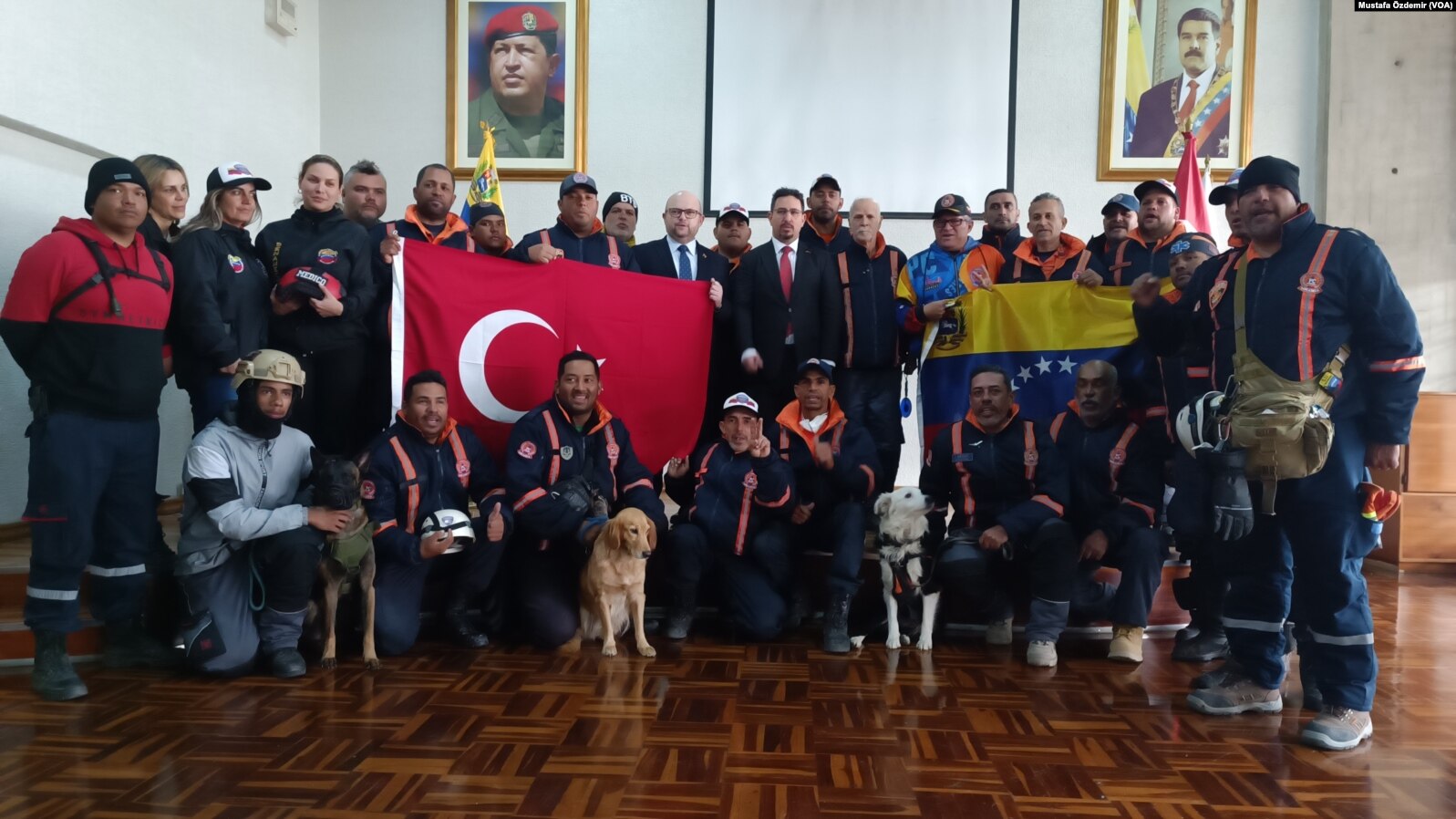
Rescue operations are underway in Venezuela after an earthquake killed 589 people [1] and injured nearly 3,000 others [1].
This disaster marks a critical humanitarian emergency in the region. The scale of casualties and the collapse of infrastructure in Caracas require a coordinated international response to prevent further loss of life.
More than 30 hours have passed since the earthquake struck [2]. Local rescue teams are working alongside international units from El Salvador and Mexico to locate survivors trapped beneath debris. Experts emphasize that the first 72 hours are the most critical window for saving lives, as the likelihood of finding survivors decreases significantly after three days [2].
Pedro Manosalva, director of the Centro de Pensamiento de Gestión del Riesgo de Colombia, said the race against the clock must involve specialized rescue teams, vital sign detection technology, and international support.
Efforts remain concentrated in Caracas, where the impact was most severe. Rescue workers are utilizing specialized equipment to scan for signs of life in the rubble of damaged buildings. The coordination between the Venezuelan government and foreign aid teams is focused on maximizing the remaining time in the primary rescue window [2].
As the death toll continues to rise, the priority remains the extraction of survivors. The injured are being treated in local facilities, though the volume of nearly 3,000 casualties [1] has placed a significant strain on the available medical resources.
“The first 72 hours are the most critical window for saving lives.”
The mobilization of international teams from Mexico and El Salvador underscores the severity of the structural damage in Caracas. Because the 72-hour window is the gold standard for urban search and rescue, the remaining time is vital for reducing the final death toll. The high number of injured suggests a long-term public health challenge for Venezuela's medical infrastructure following the initial rescue phase.
'%2F%3E%0A%20%20%20%20%3Crect%20width%3D'1600'%20height%3D'900'%20fill%3D'url(%23v)'%2F%3E%0A%20%20%20%20%3Cg%20opacity%3D'0.08'%20fill%3D'%23ffffff'%3E%0A%20%20%20%20%20%20%3Ccircle%20cx%3D'1420'%20cy%3D'180'%20r%3D'220'%2F%3E%0A%20%20%20%20%20%20%3Ccircle%20cx%3D'1500'%20cy%3D'760'%20r%3D'120'%2F%3E%0A%20%20%20%20%3C%2Fg%3E%0A%20%20%20%20%3Cline%20x1%3D'80'%20y1%3D'172'%20x2%3D'220'%20y2%3D'172'%20stroke%3D'%23ffffff'%20stroke-width%3D'3'%20stroke-opacity%3D'0.6'%2F%3E%0A%20%20%20%20%3Ctext%20x%3D'80'%20y%3D'140'%20font-family%3D'Inter%2C%20-apple-system%2C%20Helvetica%2C%20sans-serif'%20font-weight%3D'700'%20font-size%3D'28'%20fill%3D'%23ffffff'%20letter-spacing%3D'6'%3EHANNA%20%C2%B7%20NEWS%3C%2Ftext%3E%0A%20%20%20%20%3Ctext%20x%3D'80'%20y%3D'230'%20font-family%3D'Inter%2C%20-apple-system%2C%20Helvetica%2C%20sans-serif'%20font-weight%3D'600'%20font-size%3D'40'%20fill%3D'%23ffffffb3'%20letter-spacing%3D'4'%3EWORLD%3C%2Ftext%3E%0A%20%20%20%20%3Ctext%20x%3D'80'%20y%3D'622'%20font-family%3D'Playfair%20Display%2C%20Georgia%2C%20serif'%20font-weight%3D'800'%20font-size%3D'86'%20fill%3D'%23ffffff'%20letter-spacing%3D'-1'%3EVenezuela%20Rescue%20Teams%3C%2Ftext%3E%3Ctext%20x%3D'80'%20y%3D'721'%20font-family%3D'Playfair%20Display%2C%20Georgia%2C%20serif'%20font-weight%3D'800'%20font-size%3D'86'%20fill%3D'%23ffffff'%20letter-spacing%3D'-1'%3ESearch%20More%20Than%20300%3C%2Ftext%3E%3Ctext%20x%3D'80'%20y%3D'820'%20font-family%3D'Playfair%20Display%2C%20Georgia%2C%20serif'%20font-weight%3D'800'%20font-size%3D'86'%20fill%3D'%23ffffff'%20letter-spacing%3D'-1'%3ECollapsed%20Buildings%3C%2Ftext%3E%0A%20%20%20%20%3Ctext%20x%3D'80'%20y%3D'870'%20font-family%3D'Inter%2C%20-apple-system%2C%20Helvetica%2C%20sans-serif'%20font-weight%3D'500'%20font-size%3D'22'%20fill%3D'%23ffffff66'%20letter-spacing%3D'2'%3Enews.hanna-ai.com%3C%2Ftext%3E%0A%20%20%3C%2Fsvg%3E)