Rescue teams pulled a security guard alive from the rubble of a collapsed shopping center in La Guaira, Venezuela, on Thursday morning [3].
The rescue of Hernán Alberto Gil Flores marks a rare survival success following the devastation caused by twin earthquakes that struck the region. His extraction highlights the critical role of international coordination in disaster response when local infrastructure fails.
Flores, 44 [1], had been trapped in the basement of the shopping center for eight days [2]. He was located and extracted on July 2, 2026 [3] after a prolonged search operation. The collapse occurred when twin earthquakes struck on May 22, 2024, causing the mall structure to give way [5].
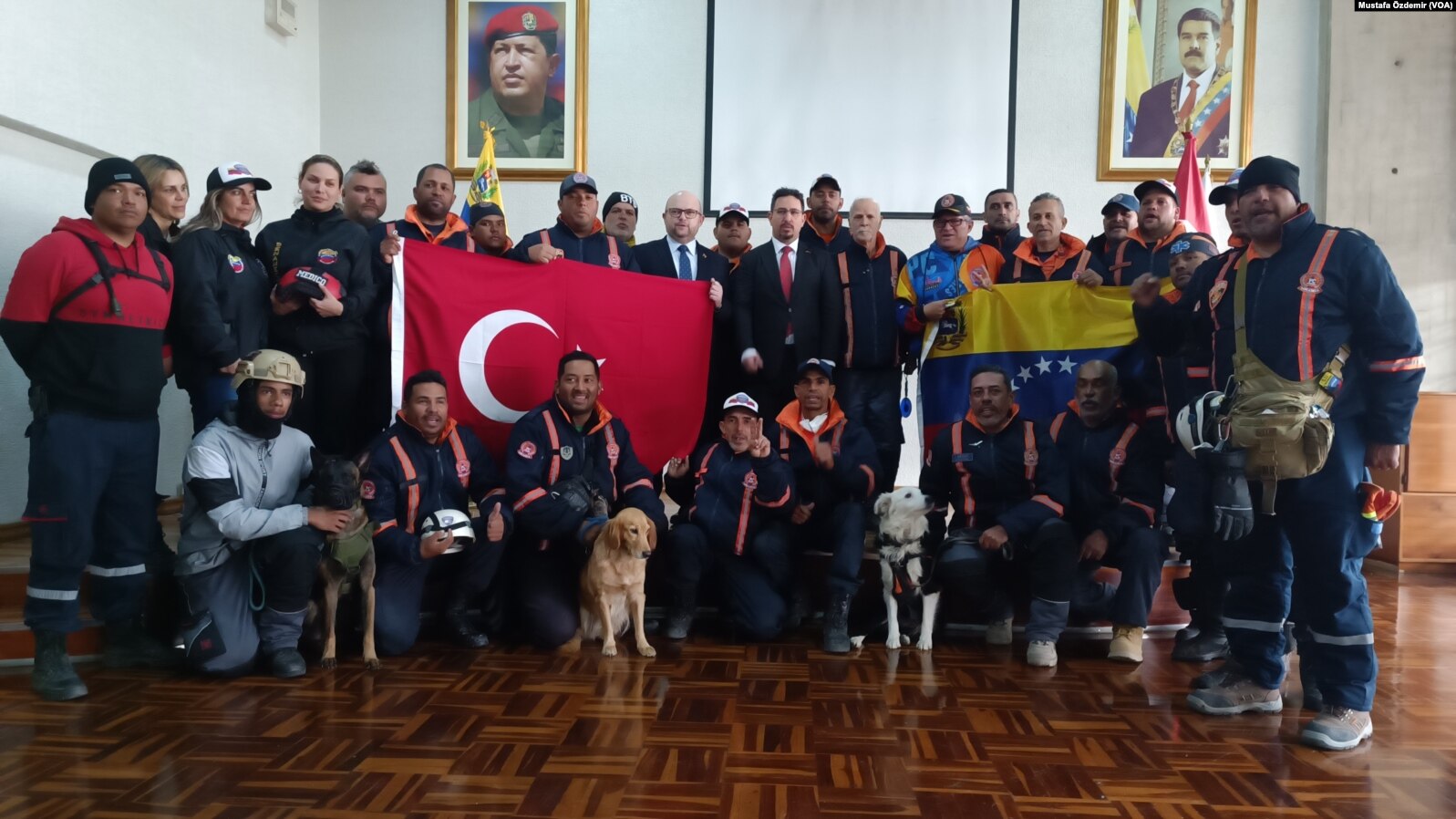
International rescue teams from several countries worked together to locate the survivor and extract him from the debris [5]. The effort was described as a herculean task due to the unstable nature of the shopping center's basement. Rescuers eventually reached Flores and carried him out on a stretcher.
The search and recovery operation in La Guaira faced significant challenges as teams navigated the ruins of the commercial complex. The survival of Flores for over a week underground suggests a pocket of air remained within the basement rubble, allowing him to survive until teams reached his position [2].
Local authorities and international partners continued to monitor the site for further casualties, though the rescue of Flores provided a significant morale boost to the community and the emergency responders involved in the mission [4].
“Hernán Alberto Gil Flores was rescued alive after being trapped under the rubble for eight days.”
This event underscores the importance of specialized urban search and rescue (USAR) capabilities and international cooperation in the wake of seismic disasters. The ability to locate a survivor eight days after a structural collapse demonstrates the efficacy of advanced detection tools and the necessity of prolonged search windows in high-density urban environments.


