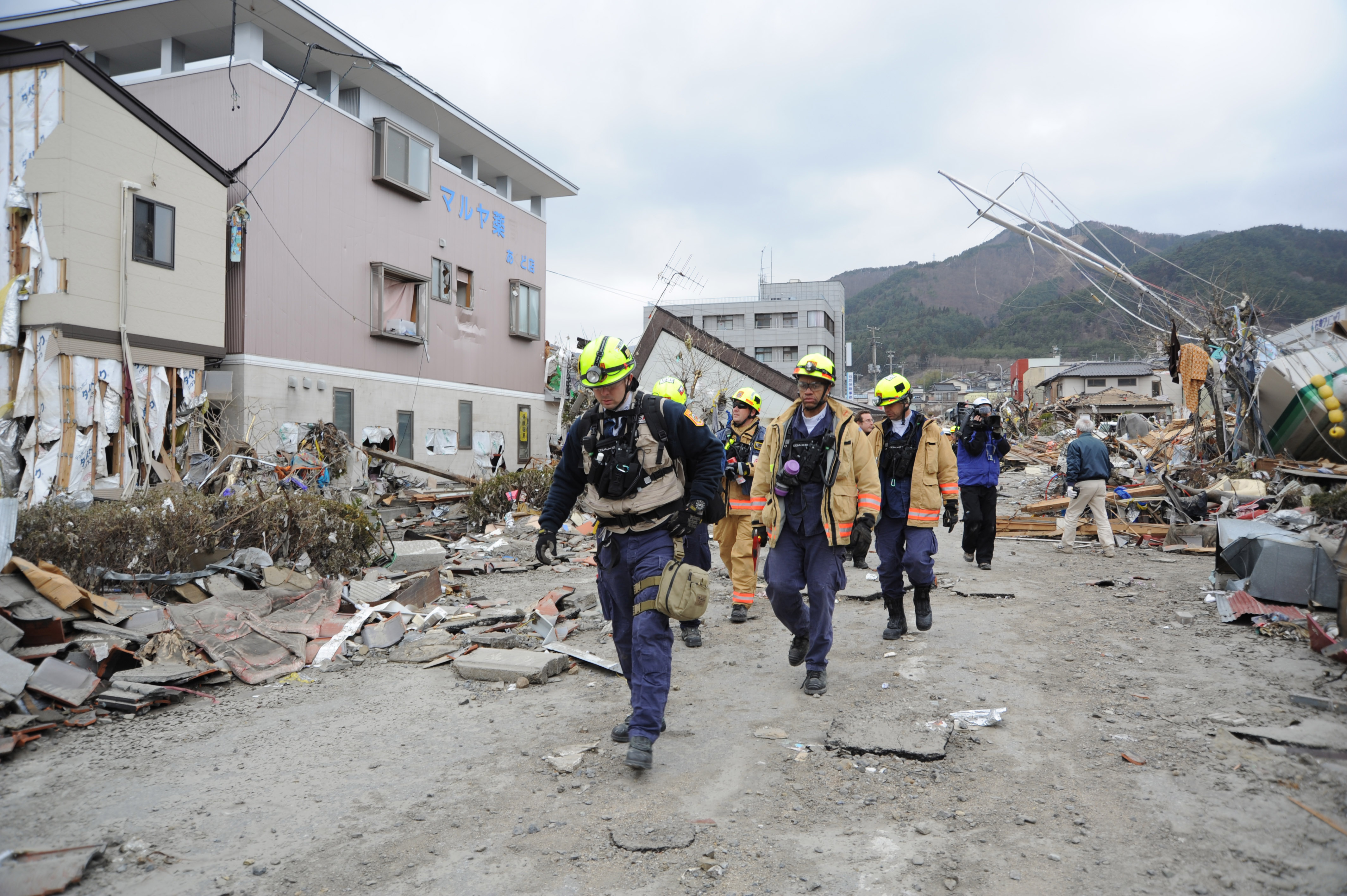
Twin earthquakes in northwest Venezuela destroyed or damaged more than 58,000 buildings and left tens of thousands of people unaccounted for [1], [4].
The scale of the destruction threatens the stability of the region's infrastructure and complicates urgent search-and-rescue operations in the capital, Caracas, and surrounding areas [2], [5].
The disaster was triggered by two powerful seismic events. Reports on the magnitude vary, with some sources citing a 7.1 magnitude event [3] and others reporting magnitudes of 7.2 and 7.5 [2]. These tremors caused widespread collapse across the northwest region, leading to a tsunami advisory in some coastal areas [3].
NASA data indicates that the building damage exceeds 58,000 structures [1]. This widespread ruin has left hospitals overwhelmed as they race to save lives while the smell of death lingers in the streets [5].
European rescue teams have arrived in Venezuela to assist in the bid to find survivors [4]. These teams joined local efforts as rescuers continued to search the rubble six days after the initial quakes [6].
Despite the passage of time, rescue workers said they are clinging to hope that some survivors remain trapped beneath the debris [6]. The coordination of international aid remains critical as the country assesses the full extent of the casualties and structural failures [4].
“More than 58,000 buildings destroyed or damaged”
The magnitude of this disaster, coupled with the high number of destroyed buildings, suggests a long-term humanitarian crisis. The reliance on international rescue teams and NASA satellite imagery indicates that local infrastructure was insufficient to manage the scale of the collapse, which will likely lead to a prolonged recovery period for the northwest region and Caracas.


