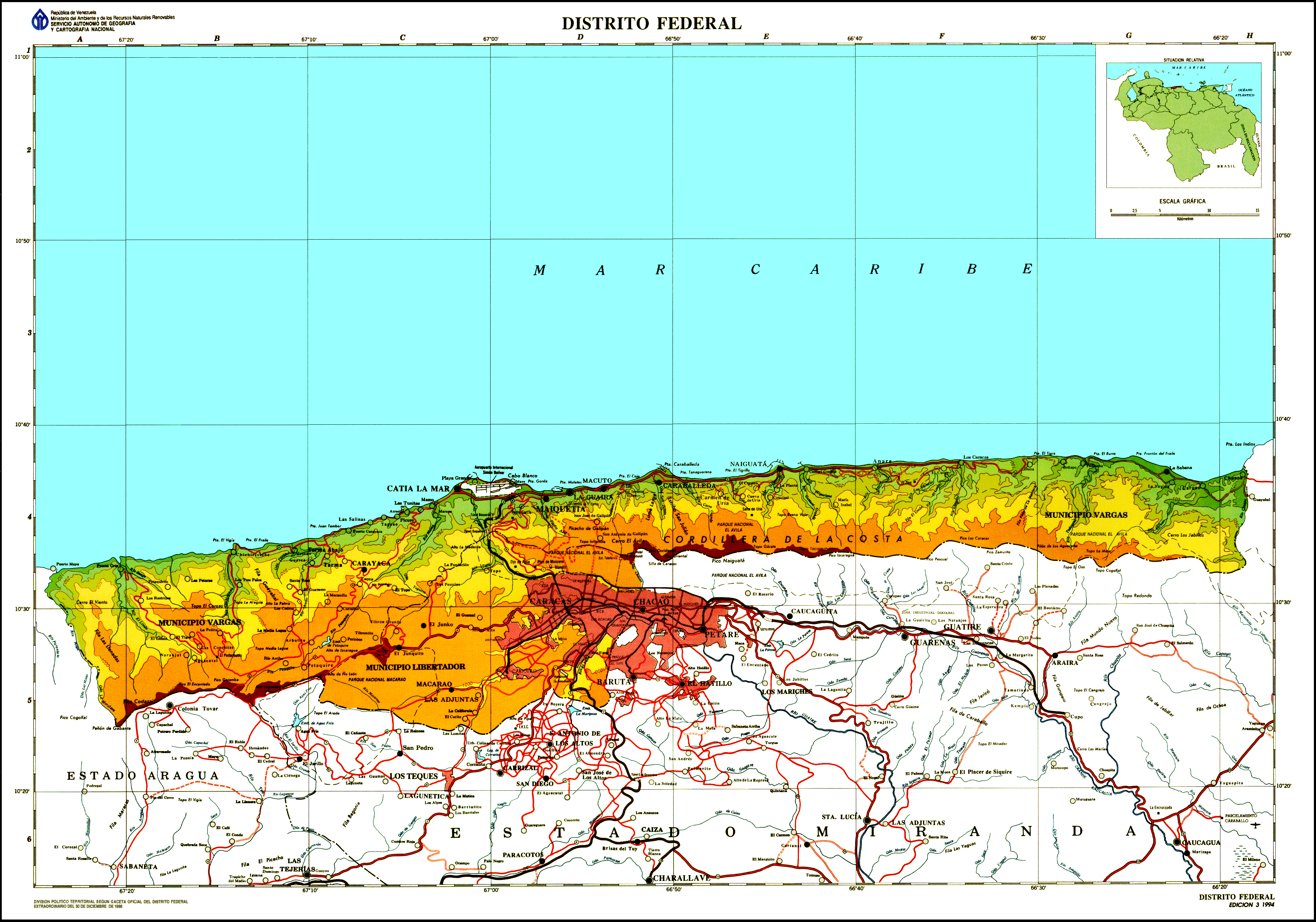
At least 235 people are dead after two powerful earthquakes struck northern Venezuela near Caracas and the coastal city of La Guaira on June 26, 2026 [1].
The disaster has triggered a massive humanitarian crisis, leaving thousands of people injured and tens of thousands missing as emergency workers struggle to locate survivors beneath collapsed buildings.
Venezuelan rescuers, volunteers, and emergency workers are currently combing through debris in the affected regions [2]. The back-to-back earthquakes, both measuring magnitude seven or higher, caused widespread structural failures that trapped hundreds of people under rubble [3].
Official casualty counts continue to rise as search operations expand. While some reports indicate over 230 deaths [4], other sources place the toll at at least 235 [1]. The number of injured is reported as at least 4,300 [5], though other estimates suggest more than 1,500 [1].
The scale of the disappearance is stark, with reports indicating more than 46,000 people are missing [6]. Rescue teams are racing against time to find survivors in the ruins of residential and commercial sectors—a task complicated by the volume of debris in the densely populated areas near the capital.
Emergency personnel are focusing their efforts on the hardest-hit zones in Caracas and La Guaira [7]. The intensity of the seismic activity caused immediate collapses, leaving entire blocks of housing in ruins [3].
“At least 235 people are dead after two powerful earthquakes struck northern Venezuela.”
The simultaneous occurrence of two magnitude-7+ earthquakes in a concentrated area significantly increases the risk of total structural collapse, as buildings weakened by the first tremor are more likely to fall during the second. The high number of missing persons relative to the confirmed death toll suggests that a significant portion of the population remains trapped, placing an immense strain on Venezuela's emergency infrastructure and search-and-rescue capacity.


