Two powerful earthquakes struck the Caribbean coast of Venezuela on Wednesday, killing approximately 200 people [1].
The disasters caused widespread structural failure and significant casualties in a region already struggling with infrastructure stability. The scale of the collapse suggests a high risk of further casualties as rescue teams search through the rubble.
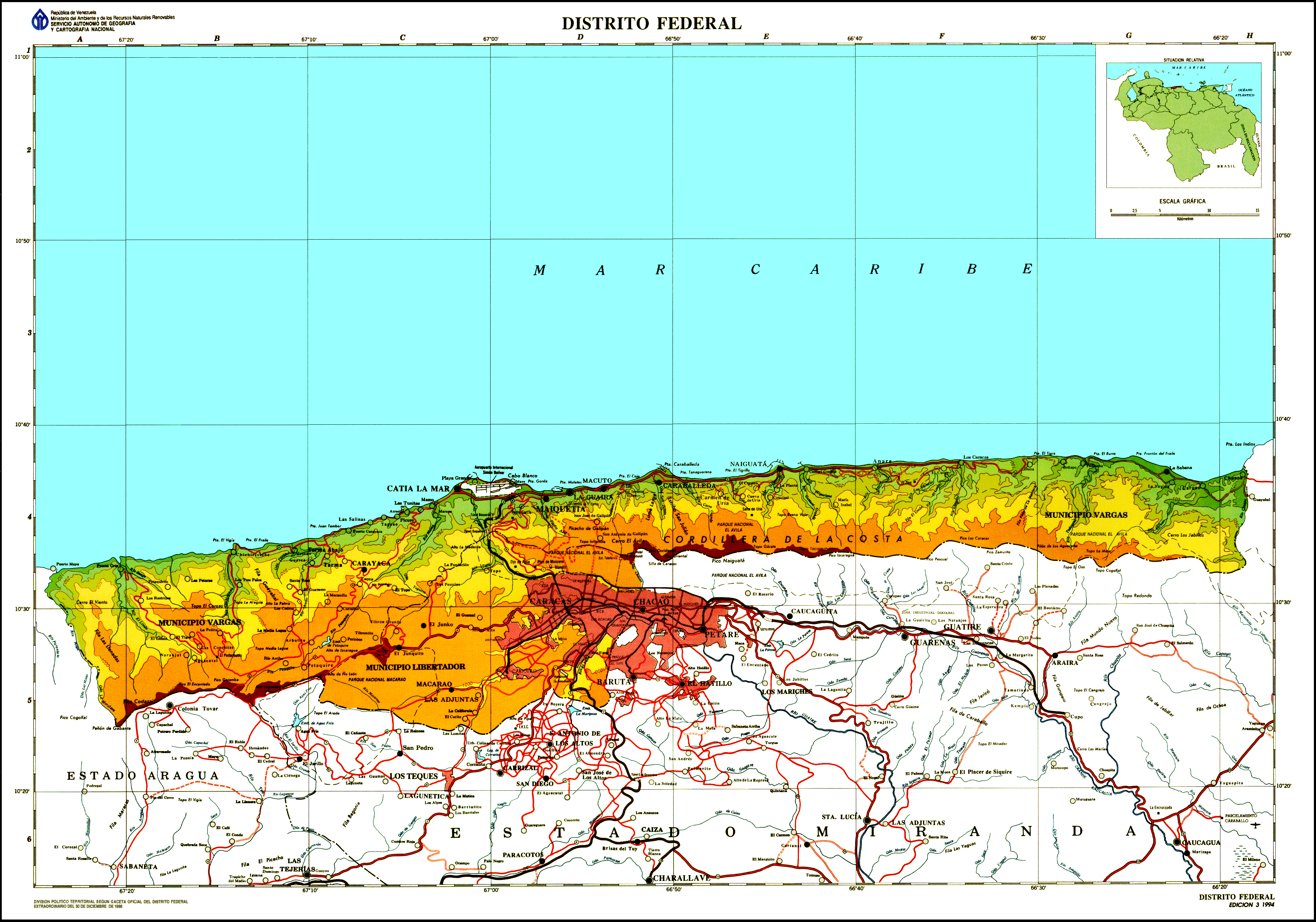
The first tremor registered a magnitude of 7.2 [1], followed by a second, more powerful quake with a magnitude of 7.5 [1]. The epicenter was located approximately 168 km west of the capital, Caracas [1]. The shocks occurred around 6 p.m. local time on June 24 [1].
Reports indicate that total casualties, including both dead and injured, have reached around 700 [1]. Field reporter Ryu Je-woong said buildings collapsed entirely [3].
Local residents described the event as an unprecedented experience. One resident said, "It was the most intense feeling I have ever experienced. It was really strong and that intensity lasted for a long time. The way the buildings shook from side to side was incredibly powerful."
The resident said it was fortunate that few people were inside the buildings at the time of the collapse [2]. Authorities continue to manage the emergency response as they assess the full extent of the damage to residential and commercial structures.
Rescue efforts remain focused on the affected coastal areas where the seismic activity was most concentrated. The sequence of high-magnitude quakes has left many residents displaced and searching for survivors among the wreckage [1].
“Buildings collapsed entirely.”
The occurrence of back-to-back magnitude 7+ earthquakes indicates severe tectonic instability along the Caribbean coast. With approximately 200 deaths and hundreds more injured, the disaster highlights the vulnerability of regional construction standards to high-magnitude seismic events, likely necessitating a long-term recovery effort and a review of urban planning in the Caracas periphery.


