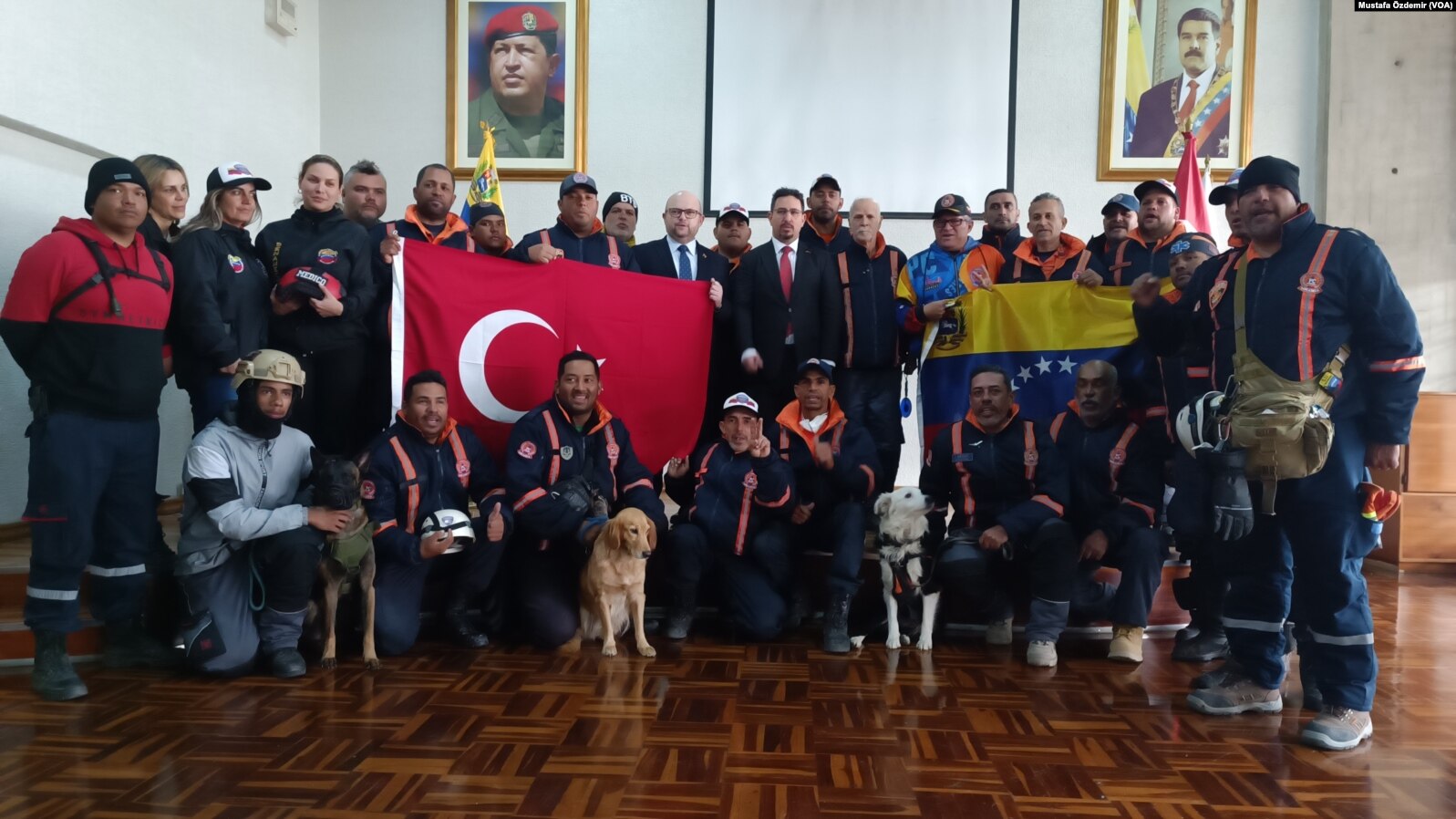
Two powerful earthquakes struck the northern coast of Venezuela on Wednesday, June 24, 2024, killing hundreds and injuring thousands [1], [2].
The disaster highlights the vulnerability of coastal infrastructure to high-magnitude seismic events and the urgent need for coordinated emergency response in the region.
The first tremor measured 7.2 magnitude [7], followed seconds later by a second quake of approximately 7.0 magnitude [8]. Tectonic activity drove the twin tremors, which resulted in widespread structural collapse across the northern coast [9].
Casualty reports vary across agencies as emergency crews continue search and recovery operations. Some reports place the death toll at 188 [5], while others indicate at least 589 fatalities [3]. The highest reported death toll currently stands at 920 [1].
Injuries have also been reported in varying numbers. Early updates cited nearly 1,000 wounded [6], while later reports increased that figure to more than 2,900 [4]. The most recent high-end estimate indicates at least 3,360 people were injured [2].
Acting President Delcy Rodríguez and emergency crews have been involved in the response efforts following the tremors [1], [2]. The rapid succession of the two quakes intensified the damage, as buildings already weakened by the first shock were further compromised by the second.
“The first tremor measured 7.2 magnitude, followed seconds later by a second quake of approximately 7.0 magnitude.”
The occurrence of 'twin tremors'—two high-magnitude earthquakes in rapid succession—significantly increases the lethality of a seismic event. While a single quake may cause damage, a second strike seconds later often collapses structures that were partially compromised, leading to the high disparity in early casualty reports and a more complex recovery process for emergency services.
'%2F%3E%0A%20%20%20%20%3Crect%20width%3D'1600'%20height%3D'900'%20fill%3D'url(%23v)'%2F%3E%0A%20%20%20%20%3Cg%20opacity%3D'0.08'%20fill%3D'%23ffffff'%3E%0A%20%20%20%20%20%20%3Ccircle%20cx%3D'1420'%20cy%3D'180'%20r%3D'220'%2F%3E%0A%20%20%20%20%20%20%3Ccircle%20cx%3D'1500'%20cy%3D'760'%20r%3D'120'%2F%3E%0A%20%20%20%20%3C%2Fg%3E%0A%20%20%20%20%3Cline%20x1%3D'80'%20y1%3D'172'%20x2%3D'220'%20y2%3D'172'%20stroke%3D'%23ffffff'%20stroke-width%3D'3'%20stroke-opacity%3D'0.6'%2F%3E%0A%20%20%20%20%3Ctext%20x%3D'80'%20y%3D'140'%20font-family%3D'Inter%2C%20-apple-system%2C%20Helvetica%2C%20sans-serif'%20font-weight%3D'700'%20font-size%3D'28'%20fill%3D'%23ffffff'%20letter-spacing%3D'6'%3EHANNA%20%C2%B7%20NEWS%3C%2Ftext%3E%0A%20%20%20%20%3Ctext%20x%3D'80'%20y%3D'230'%20font-family%3D'Inter%2C%20-apple-system%2C%20Helvetica%2C%20sans-serif'%20font-weight%3D'600'%20font-size%3D'40'%20fill%3D'%23ffffffb3'%20letter-spacing%3D'4'%3EWORLD%3C%2Ftext%3E%0A%20%20%20%20%3Ctext%20x%3D'80'%20y%3D'622'%20font-family%3D'Playfair%20Display%2C%20Georgia%2C%20serif'%20font-weight%3D'800'%20font-size%3D'86'%20fill%3D'%23ffffff'%20letter-spacing%3D'-1'%3EVenezuela%20Rescue%20Teams%3C%2Ftext%3E%3Ctext%20x%3D'80'%20y%3D'721'%20font-family%3D'Playfair%20Display%2C%20Georgia%2C%20serif'%20font-weight%3D'800'%20font-size%3D'86'%20fill%3D'%23ffffff'%20letter-spacing%3D'-1'%3ESearch%20More%20Than%20300%3C%2Ftext%3E%3Ctext%20x%3D'80'%20y%3D'820'%20font-family%3D'Playfair%20Display%2C%20Georgia%2C%20serif'%20font-weight%3D'800'%20font-size%3D'86'%20fill%3D'%23ffffff'%20letter-spacing%3D'-1'%3ECollapsed%20Buildings%3C%2Ftext%3E%0A%20%20%20%20%3Ctext%20x%3D'80'%20y%3D'870'%20font-family%3D'Inter%2C%20-apple-system%2C%20Helvetica%2C%20sans-serif'%20font-weight%3D'500'%20font-size%3D'22'%20fill%3D'%23ffffff66'%20letter-spacing%3D'2'%3Enews.hanna-ai.com%3C%2Ftext%3E%0A%20%20%3C%2Fsvg%3E)