Drone footage released by Venezuelan officials shows extensive devastation in La Guaira following a series of powerful earthquakes.
The imagery provides a critical view of the scale of destruction, helping rescue teams identify collapsed structures and coordinate aid in areas that remain inaccessible by road.
Aerial views from La Guaira reveal widespread structural failure and debris fields. These images are being used to illustrate the magnitude of the disaster and to assist international rescue efforts in locating survivors among the ruins [1].
Rescue teams are currently working through the wreckage to recover victims and provide emergency medical care. The death toll from the seismic activity has risen to more than 900 people [1].
Officials said the drones are essential for mapping the most affected zones. The technology allows coordinators to see the breadth of the damage across the coastal region, a task that would otherwise take days of ground surveys.
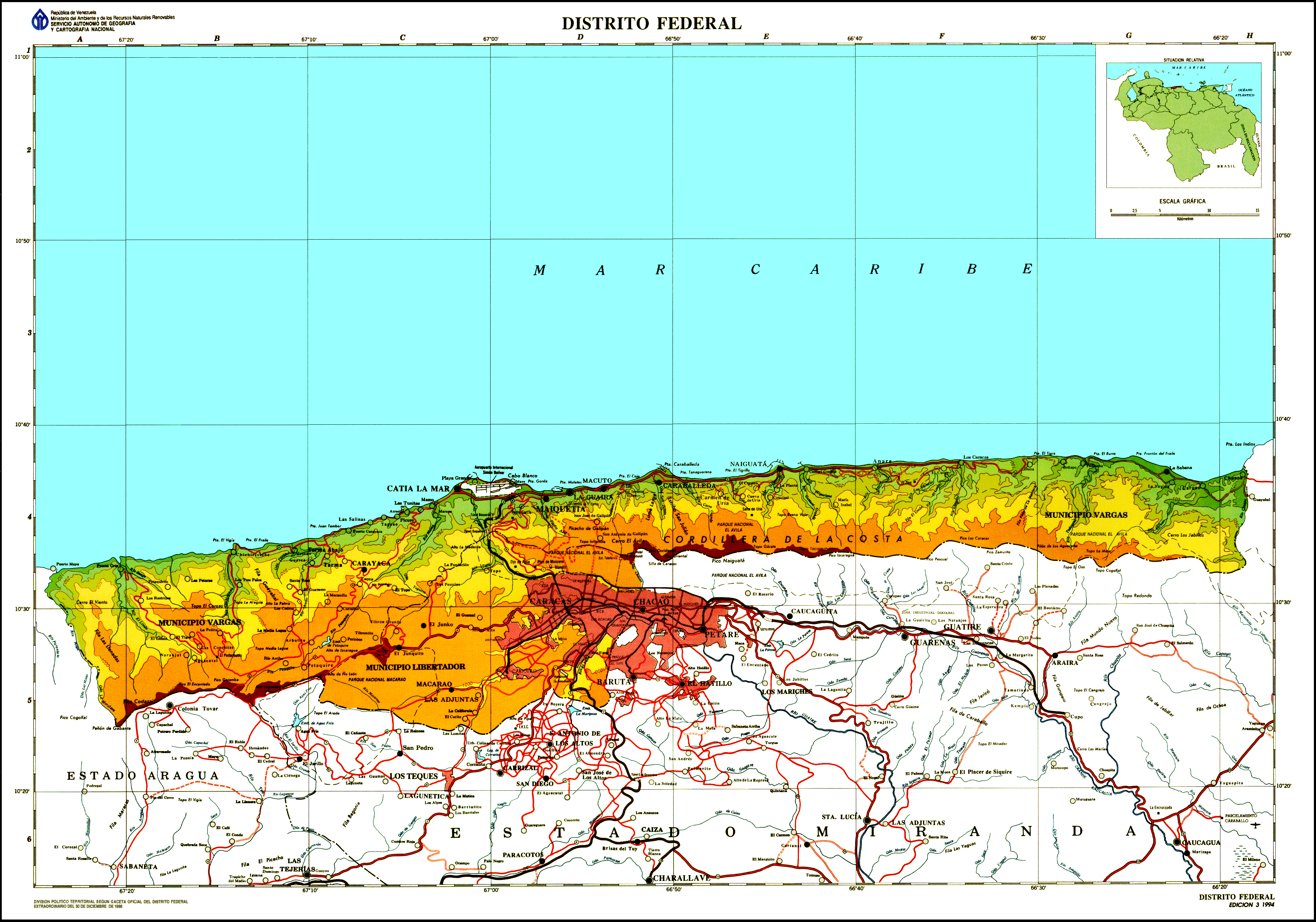
Local authorities are focusing on the most heavily damaged sectors of La Guaira, where residential buildings and infrastructure have suffered complete collapses [2]. The footage confirms that the impact was concentrated in specific urban clusters, complicating the logistics of moving heavy machinery into the disaster zone.
International aid agencies are reviewing the footage to determine the types of equipment and personnel needed for the recovery phase [1].
“Death toll from the seismic activity has risen to more than 900 people.”
The use of drone technology in La Guaira underscores the difficulty of ground-level recovery in Venezuela's coastal geography. With a death toll exceeding 900, the reliance on aerial surveillance suggests that traditional infrastructure has been severely compromised, making high-resolution mapping the primary tool for both immediate rescue and long-term casualty assessment.