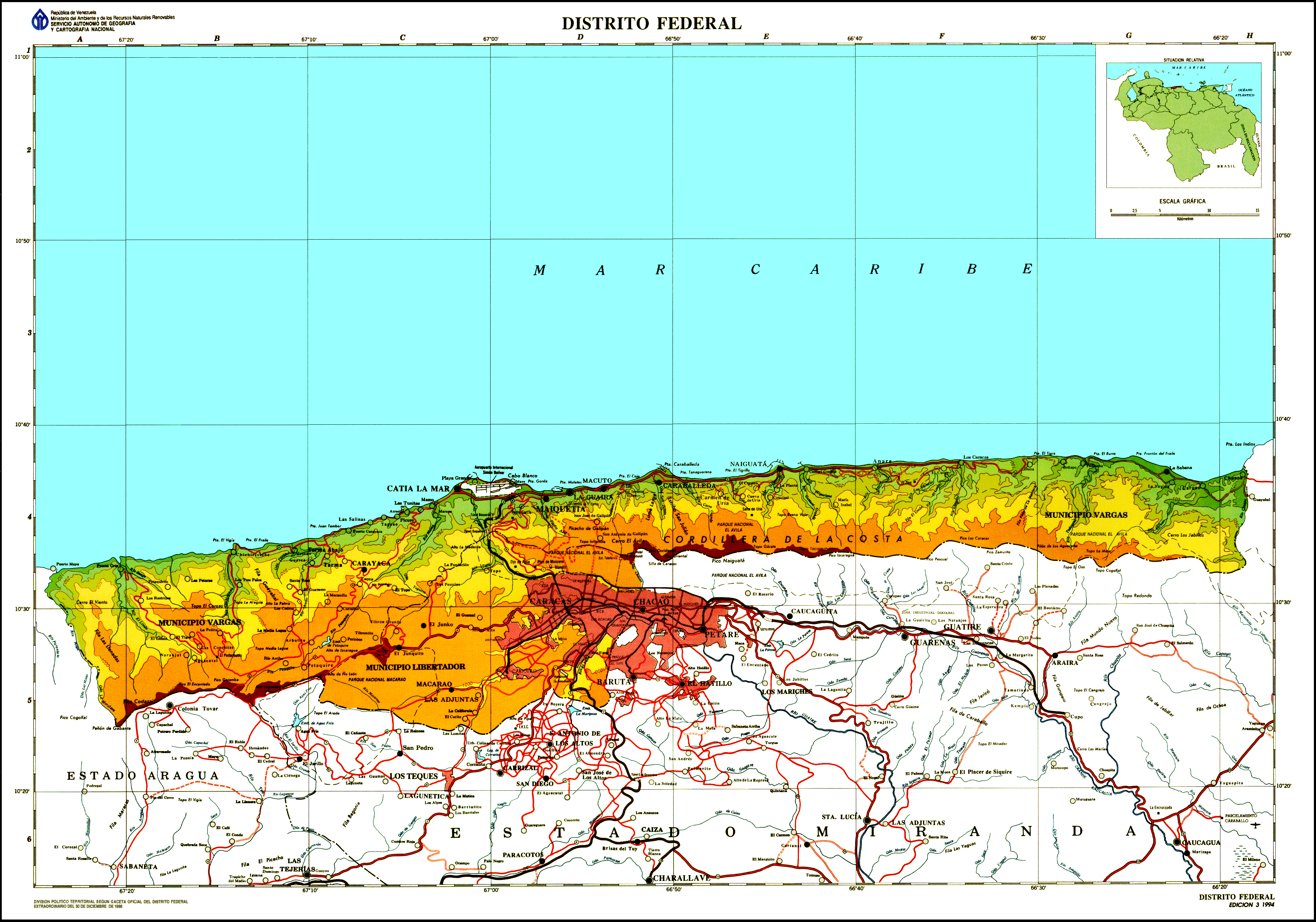
Twin earthquakes struck northern Venezuela on Wednesday, killing at least 32 people [1] and injuring approximately 700 [2].
The disaster has triggered a massive humanitarian response in the capital city of Caracas, where rescue teams are searching through collapsed buildings for survivors.
The tremors occurred on June 24, 2026, with the first quake measuring magnitude 7.2 [3], followed by a second tremor of magnitude 7.5 [3]. The epicenter was located approximately 160 km west of Caracas [4]. The sequence of powerful shocks caused severe structural damage across the region, leading acting President Delcy Rodríguez to declare a state of emergency [5].
Emergency crews are working to extract victims from the rubble of fallen structures. While official reports currently confirm 32 deaths [1], the scale of the destruction has raised concerns about the final toll. The U.S. Geological Survey said that fatalities could potentially exceed 10,000, with a possibility of more than 100,000 deaths [6].
Local authorities have not yet provided a full accounting of the missing. The state of emergency allows the government to mobilize additional resources and personnel to the affected northern regions as the search for survivors continues.
Rescue teams are prioritizing the most heavily damaged areas of the capital. The back-to-back nature of the quakes compounded the damage, as the second tremor struck while residents and first responders were already dealing with the aftermath of the first.
“Twin earthquakes struck northern Venezuela on Wednesday, killing at least 32 people.”
The discrepancy between the currently confirmed death toll and the USGS projections suggests that many victims may still be trapped under debris or located in remote areas yet to be reached by rescue teams. The declaration of a state of emergency indicates that the Venezuelan government anticipates a recovery effort that exceeds the capacity of local municipal services.