Twin powerful earthquakes struck Venezuela on Wednesday, killing at least 188 people [1] and injuring more than 1,500 [1].
The disaster has caused widespread structural failure in densely populated areas, leaving hundreds of residents trapped under rubble [3]. The scale of the collapse has forced civilians to lead initial rescue efforts as they search for missing loved ones.
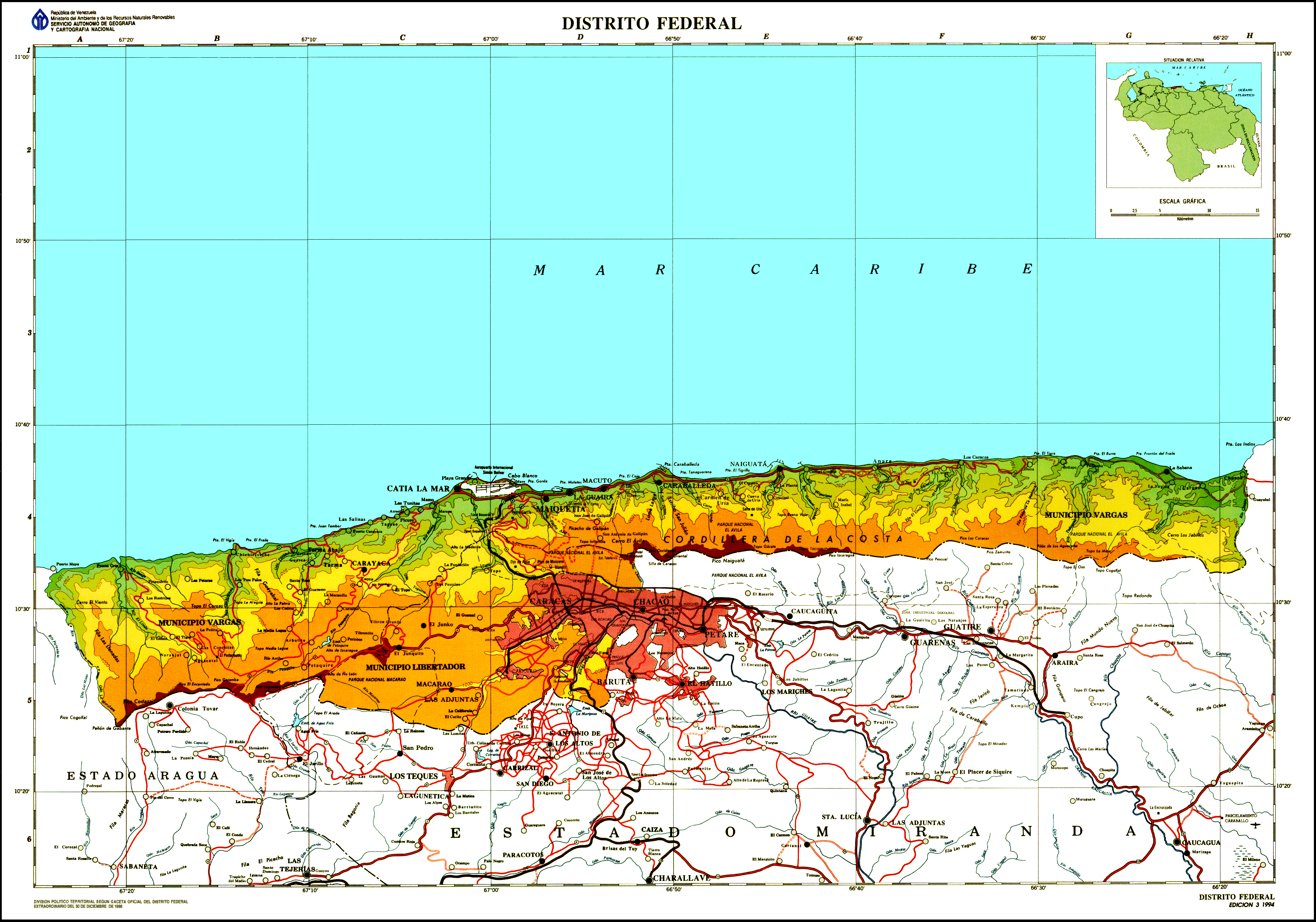
Damage is concentrated in the capital region around Caracas and the coastal port city of La Guaira [1, 3]. In these areas, residents and volunteers are working manually to clear debris from collapsed buildings to reach survivors [1, 2].
Reports on the casualty count vary among news agencies. While some reports indicated at least 32 deaths [2], other sources have confirmed a higher toll of at least 188 dead [1]. The disparity reflects the ongoing nature of the rescue operations and the difficulty of accessing several disaster zones.
Emergency crews and volunteers continue to navigate the ruins in La Guaira, where the coastal infrastructure suffered significant impact [1, 3]. The search for survivors remains the primary focus as teams attempt to locate the hundreds of people believed to be trapped [3].
“at least 188 dead”
The high casualty rate and the reliance on civilian volunteers for rescue operations suggest a significant gap in emergency response infrastructure. The disparity in initial death tolls highlights the chaotic nature of the aftermath in the Caracas and La Guaira regions, where the collapse of multi-story buildings has hindered official counting and access.