Twin earthquakes with magnitudes of 7.2 and 7.5 [1] have killed 920 people [2] across Venezuela.
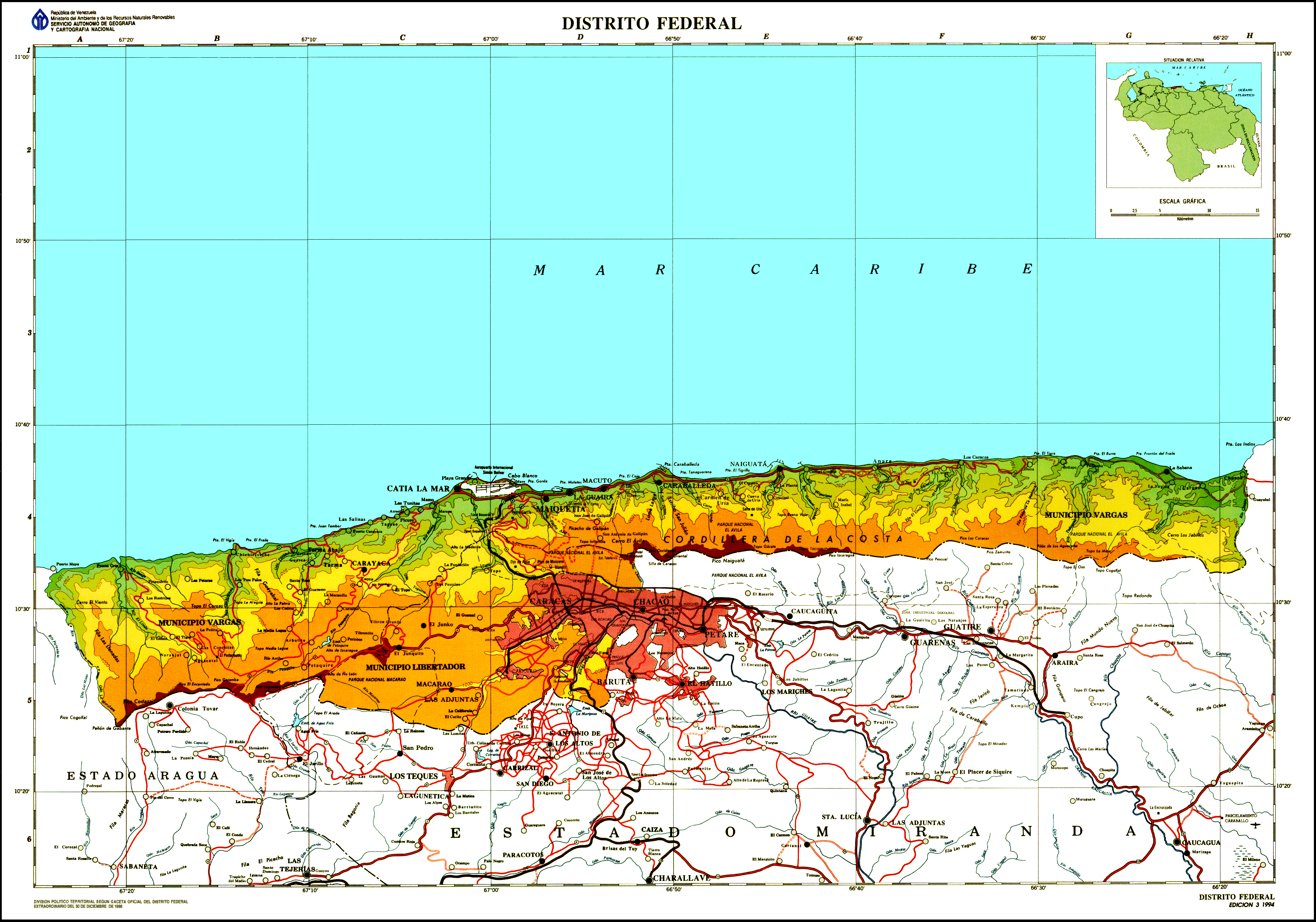
The scale of the disaster suggests a humanitarian crisis of significant proportions, as the number of missing persons far exceeds the current death toll. The devastation is concentrated around Caracas and surrounding regions [3].
Official reports indicate that more than 50,000 people are currently missing [4, 5]. This figure highlights the severity of the structural collapse in the hardest-hit areas. Rescue operations are underway, though officials said that the window to find survivors is narrowing [6].
Injury counts vary across official reports. Some data indicates 3,000 people were injured [1], while other updates from the government place the number of injured at 3,360 [7]. National Assembly president Jorge Rodríguez said the toll as authorities continue to survey the damage [2].
The seismic events were caused by tectonic activity along the Caribbean-South American plate boundary [1]. This geological instability created the powerful twin shocks that leveled buildings and disrupted infrastructure throughout the region.
Emergency teams are working to clear debris and locate those trapped under rubble. The coordination of these efforts remains critical as the government attempts to manage the influx of thousands of casualties, and the search for the tens of thousands of missing residents [4, 6].
“Twin earthquakes with magnitudes of 7.2 and 7.5 have killed 920 people across Venezuela.”
The discrepancy between the confirmed death toll and the massive number of missing persons suggests that the actual casualty count could rise significantly as rescue operations progress. Because the earthquakes occurred along the Caribbean-South American plate boundary, the region remains susceptible to aftershocks, which may further complicate rescue efforts and jeopardize the stability of remaining structures in Caracas.


