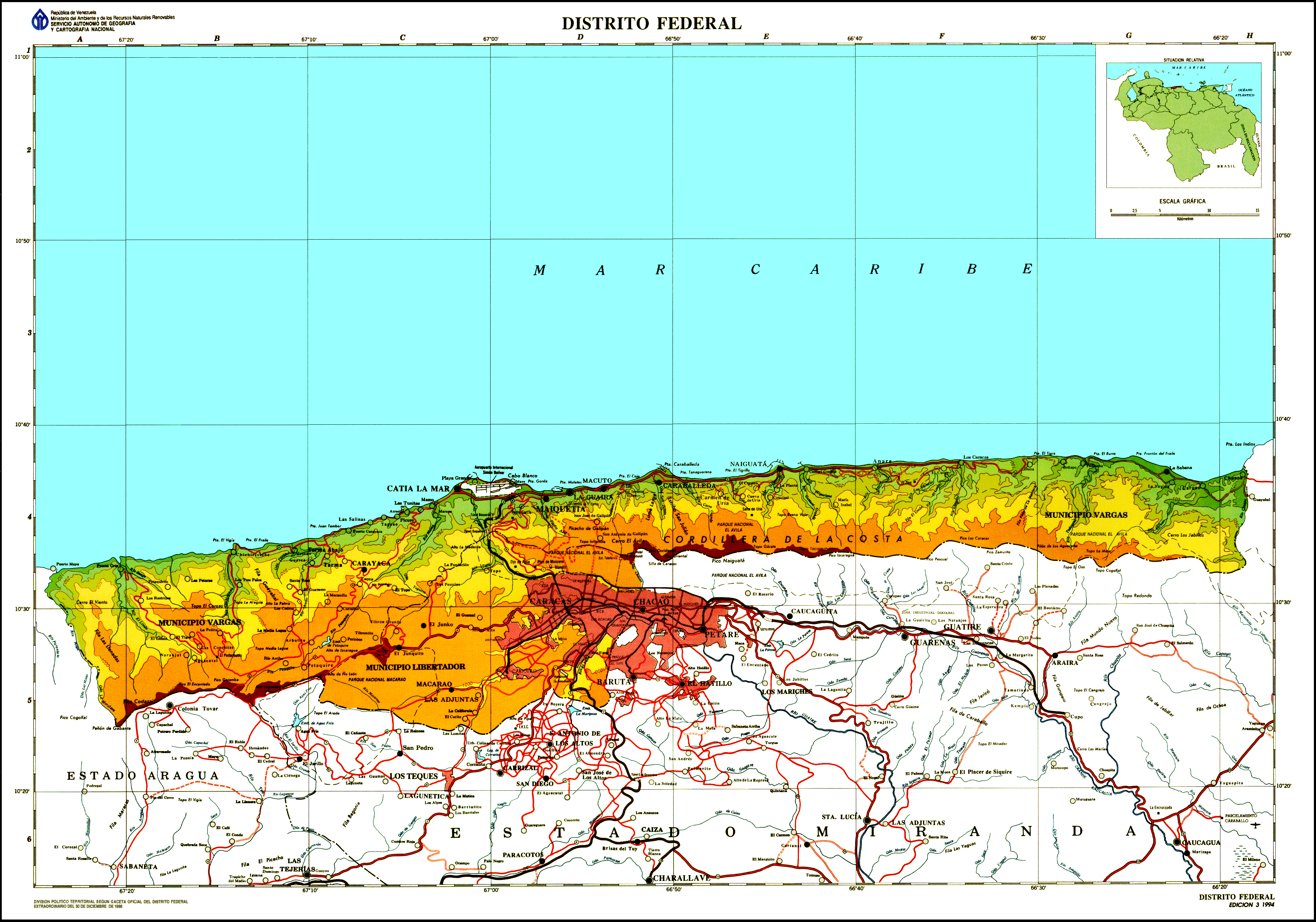
Twin earthquakes killed at least 32 people and injured more than 700 others in Venezuela on Wednesday evening [1, 2].
The disaster underscores the vulnerability of the region's infrastructure to seismic activity, as the rapid succession of two powerful tremors amplified the destruction of residential and commercial buildings.
The first quake, magnitude 7.2, was followed just 39 seconds later by a second tremor of magnitude 7.5 [3, 4]. The events occurred shortly after 6 p.m. local time on June 25, 2026 [5]. The epicenter was located approximately 160 km (100 mi) west of the capital, Caracas [6].
Interim President Delcy Rodríguez reported the initial casualties during a public address. "At this time, we have received reports of 32 deaths," Rodríguez said [1]. She also said that more than 700 people have been injured [2].
Emergency crews are currently working through the rubble of collapsed buildings in and around Caracas. The proximity of the two quakes created a "doublet" effect, which experts said increases the likelihood of structural failure in buildings already weakened by the first shock [4].
Rescue operations are ongoing as authorities search for missing persons. The region's position on a tectonic fault line makes it prone to such activity, though the intensity and timing of these specific tremors have caused widespread devastation [4].
“"At this time, we have received reports of 32 deaths"”
The occurrence of a seismic doublet—two high-magnitude earthquakes in rapid succession—significantly increases the casualty rate because the second tremor collapses structures already compromised by the first. This event highlights the critical need for reinforced seismic building codes in the Caracas region to mitigate future losses on the tectonic fault line.