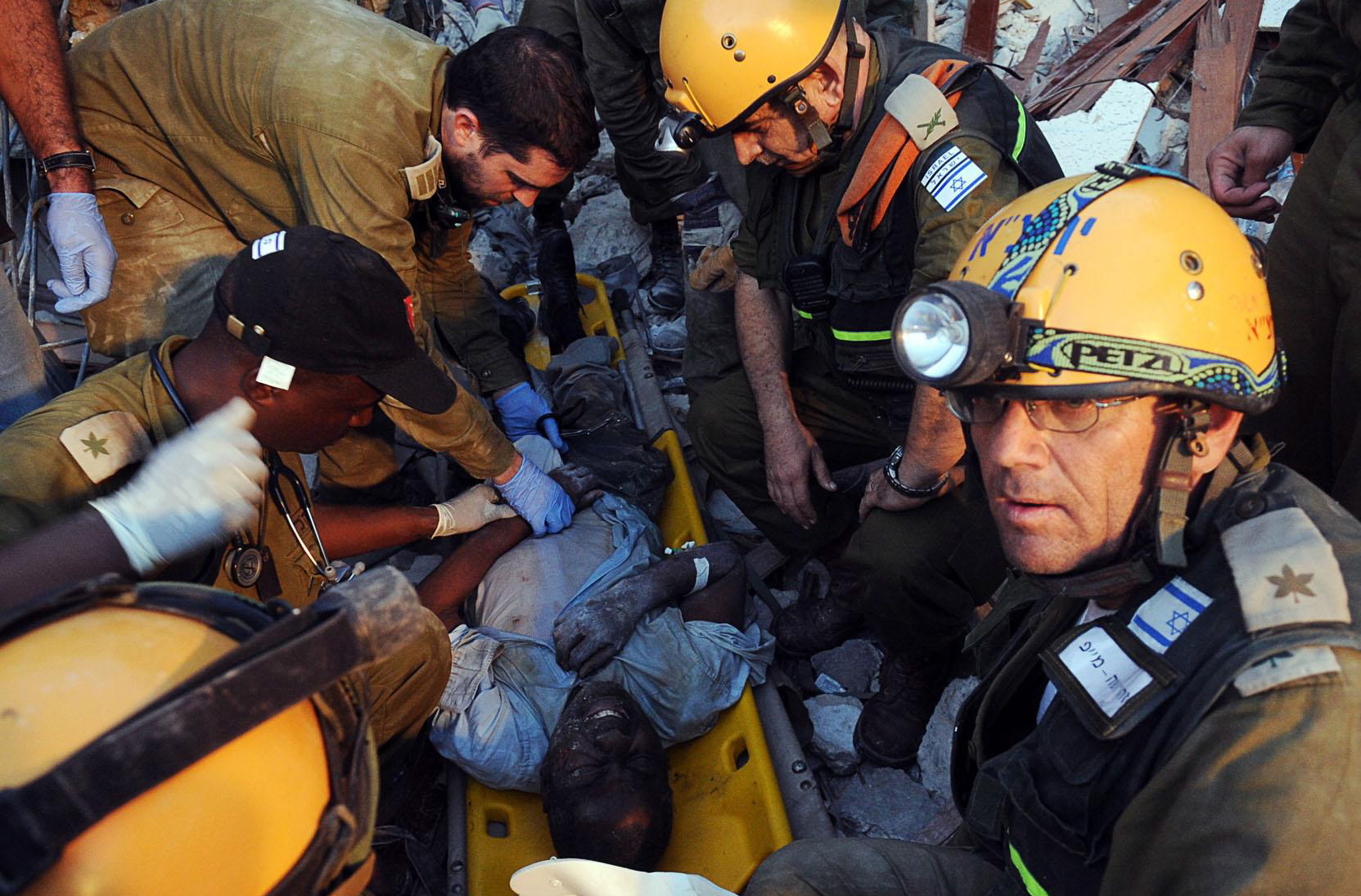
Twin earthquakes with magnitudes of 7.2 and 7.5 struck Venezuela on June 24, 2024, killing more than 6,000 people [4].
The scale of the disaster has created a humanitarian crisis in multiple regions, including the capital city of Caracas. With tens of thousands of people missing or injured, the event marks one of the most severe seismic disasters in the region's recent history.
Reports on the total number of fatalities vary across sources. While some reports indicated a death toll of 4,734 [1] or 5,069 [3], other reports said the number of dead has risen to over 6,000 [4]. A separate report listed only 235 confirmed deaths [8], though this contrasts with the higher figures provided by other news agencies.
The physical toll extends beyond the deceased. More than 16,700 people were reported injured in the wake of the tremors [5]. Additionally, approximately 50,000 people were reported missing [8].
Recovery efforts remain slow as the country grapples with the magnitude of the destruction. Approximately 24,000 people are currently staying in temporary shelters [6]. Recovery teams have faced significant challenges in clearing the wreckage, with only 16.5% of debris reported as cleared [7].
The seismic activity was the result of natural high-magnitude earthquakes that devastated infrastructure across various Venezuelan provinces [1]. Emergency services continue to search for survivors among the rubble, though the high number of missing persons suggests that many may never be found.
“More than 6,000 people have been reported killed”
The discrepancy in casualty figures, ranging from 235 confirmed deaths to over 6,000 reported deaths, highlights the extreme difficulty of conducting accurate census and rescue operations in a disaster zone. The slow pace of debris removal and the high number of displaced persons suggest that Venezuela will face a prolonged recovery period, likely requiring significant international aid to stabilize the affected regions.


