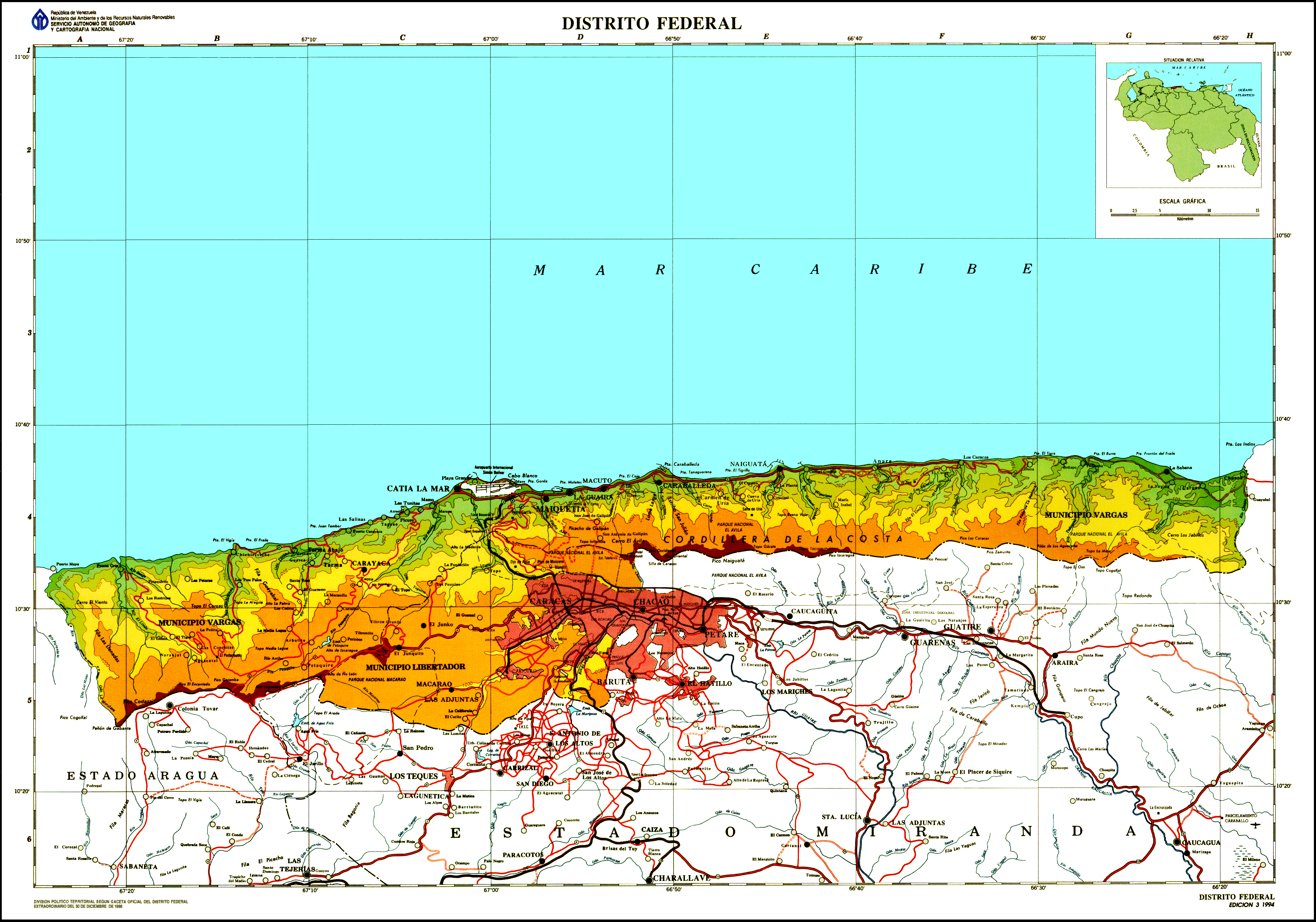
Powerful twin earthquakes struck the northern coast of Venezuela on Wednesday evening, June 24, 2026, causing widespread panic and building collapses [1, 2].
The disaster hit the nation's most populous regions, threatening critical infrastructure and placing a heavy burden on emergency services already strained by economic instability.
A magnitude-7.1 earthquake and a subsequent tremor centered along the coast caused extensive damage in Caracas and La Guaira state [3, 4]. Officials have confirmed at least 32 deaths [1, 2]. While the U.S. Geological Survey warned that casualties could potentially reach the thousands, confirmed figures remain lower as rescue efforts continue [1].
More than 700 people were injured in the seismic events [2, 5]. Multiple buildings collapsed in the capital and surrounding coastal areas, trapping residents beneath rubble [3]. Rescue teams are currently working to locate survivors among the debris of the destroyed structures.
Acting President Delcy Rodríguez addressed the disaster and the ongoing search for survivors. "The numbers are expected to rise," Rodríguez said [4].
The shocks triggered immediate panic across the region, sending thousands of residents into the streets to escape falling masonry and crumbling walls [6]. The intensity of the back-to-back tremors increased the risk of structural failure for buildings that had been weakened by the first quake [3, 7].
Emergency responders are focusing their efforts on the hardest-hit zones in Caracas and La Guaira. These areas experienced the most significant building failures, which has complicated the process of accounting for all missing persons [3, 5].
“"The numbers are expected to rise."”
The occurrence of twin earthquakes in a high-density urban corridor like Caracas exacerbates the vulnerability of Venezuela's aging infrastructure. The discrepancy between the U.S. Geological Survey's high casualty projections and the current confirmed death toll suggests that while the seismic energy was extreme, the actual impact may depend on the specific failure points of local construction. The scale of the injury toll will likely overwhelm local medical facilities, requiring a massive mobilization of state resources.


