
At least 235 people died after twin earthquakes struck the northern coast of Venezuela on June 24, 2026 [1].
The disaster highlights the vulnerability of coastal infrastructure in the region, where powerful seismic activity can lead to rapid urban collapse and mass casualties.
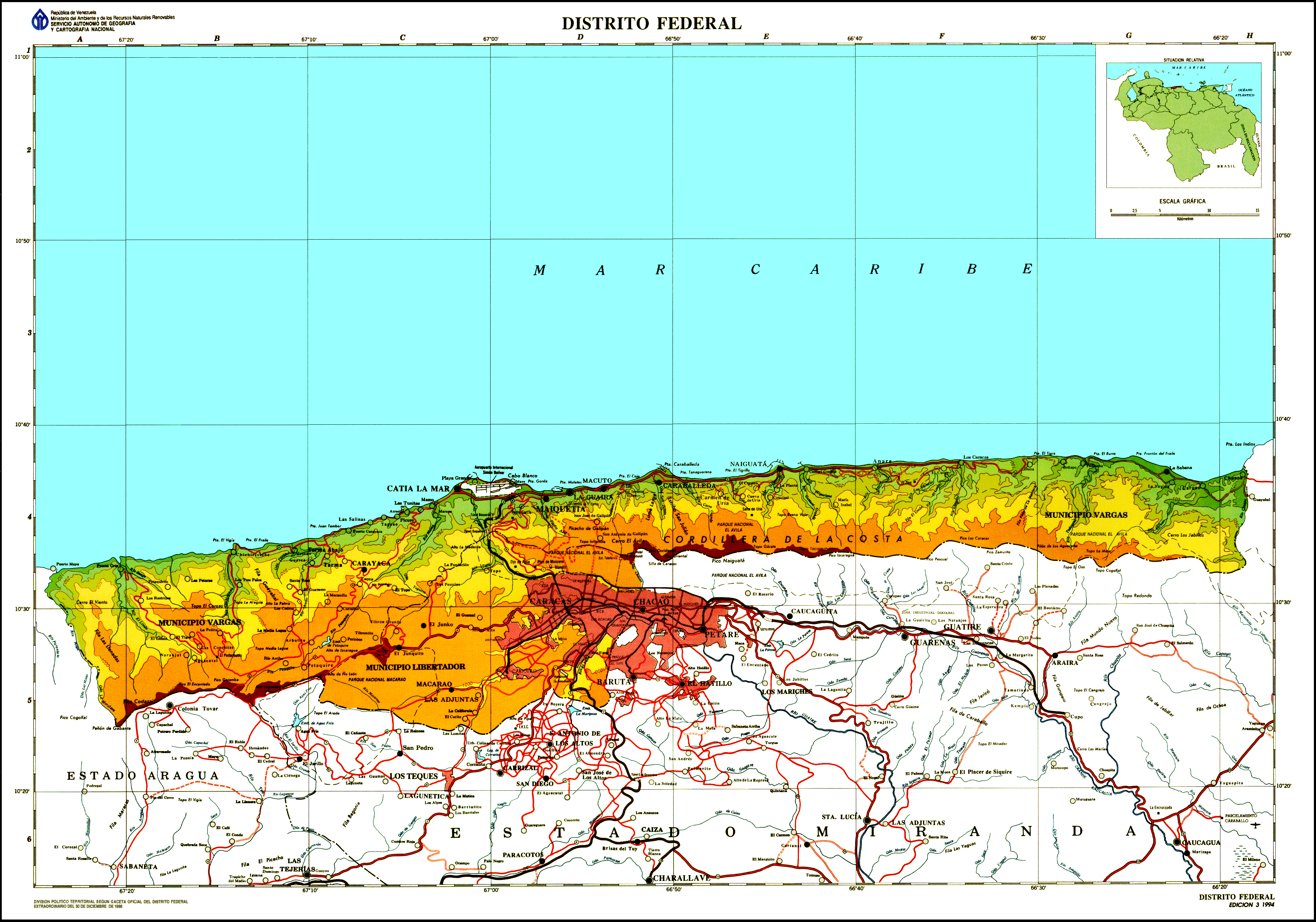
The U.S. Geological Survey recorded two separate tremors with magnitudes of 7.2 and 7.5 [3]. The quakes centered on the northern coast near Caracas, with the most severe damage reported in La Guaira and Catia La Mar [2].
Emergency responders are continuing search-and-rescue operations as they sift through the rubble of collapsed residential buildings [1]. While some reports initially placed the death toll at 188 [5], more recent figures indicate the number of fatalities has risen to 235 [1].
The human cost extends beyond the fatalities, with reports indicating over 4,000 people were injured in the wake of the tremors [2]. Local authorities and rescue teams remain on the ground attempting to locate survivors trapped beneath concrete debris.
International monitoring agencies are tracking the recovery efforts. The International Monetary Fund said it is monitoring the situation with a focus on recovery efforts and potential debt relief for the affected nation [3].
“At least 235 people died after twin earthquakes struck the northern coast of Venezuela”
The occurrence of back-to-back high-magnitude earthquakes suggests a period of intense seismic instability along the northern Venezuelan coast. The disparity in initial death tolls and the high number of injuries underscore the challenges of real-time casualty tracking in disaster zones, while the involvement of the IMF indicates that the economic impact of the infrastructure loss may be as critical as the immediate humanitarian crisis.

'%2F%3E%0A%20%20%20%20%3Crect%20width%3D'1600'%20height%3D'900'%20fill%3D'url(%23v)'%2F%3E%0A%20%20%20%20%3Cg%20opacity%3D'0.08'%20fill%3D'%23ffffff'%3E%0A%20%20%20%20%20%20%3Ccircle%20cx%3D'1420'%20cy%3D'180'%20r%3D'220'%2F%3E%0A%20%20%20%20%20%20%3Ccircle%20cx%3D'1500'%20cy%3D'760'%20r%3D'120'%2F%3E%0A%20%20%20%20%3C%2Fg%3E%0A%20%20%20%20%3Cline%20x1%3D'80'%20y1%3D'172'%20x2%3D'220'%20y2%3D'172'%20stroke%3D'%23ffffff'%20stroke-width%3D'3'%20stroke-opacity%3D'0.6'%2F%3E%0A%20%20%20%20%3Ctext%20x%3D'80'%20y%3D'140'%20font-family%3D'Inter%2C%20-apple-system%2C%20Helvetica%2C%20sans-serif'%20font-weight%3D'700'%20font-size%3D'28'%20fill%3D'%23ffffff'%20letter-spacing%3D'6'%3EHANNA%20%C2%B7%20NEWS%3C%2Ftext%3E%0A%20%20%20%20%3Ctext%20x%3D'80'%20y%3D'230'%20font-family%3D'Inter%2C%20-apple-system%2C%20Helvetica%2C%20sans-serif'%20font-weight%3D'600'%20font-size%3D'40'%20fill%3D'%23ffffffb3'%20letter-spacing%3D'4'%3EWORLD%3C%2Ftext%3E%0A%20%20%20%20%3Ctext%20x%3D'80'%20y%3D'694'%20font-family%3D'Playfair%20Display%2C%20Georgia%2C%20serif'%20font-weight%3D'800'%20font-size%3D'110'%20fill%3D'%23ffffff'%20letter-spacing%3D'-1'%3EPuppy%20Rescued%20From%20Rubble%3C%2Ftext%3E%3Ctext%20x%3D'80'%20y%3D'820'%20font-family%3D'Playfair%20Display%2C%20Georgia%2C%20serif'%20font-weight%3D'800'%20font-size%3D'110'%20fill%3D'%23ffffff'%20letter-spacing%3D'-1'%3EAfter%20Venezuela%20Earthquakes%3C%2Ftext%3E%0A%20%20%20%20%3Ctext%20x%3D'80'%20y%3D'870'%20font-family%3D'Inter%2C%20-apple-system%2C%20Helvetica%2C%20sans-serif'%20font-weight%3D'500'%20font-size%3D'22'%20fill%3D'%23ffffff66'%20letter-spacing%3D'2'%3Enews.hanna-ai.com%3C%2Ftext%3E%0A%20%20%3C%2Fsvg%3E)