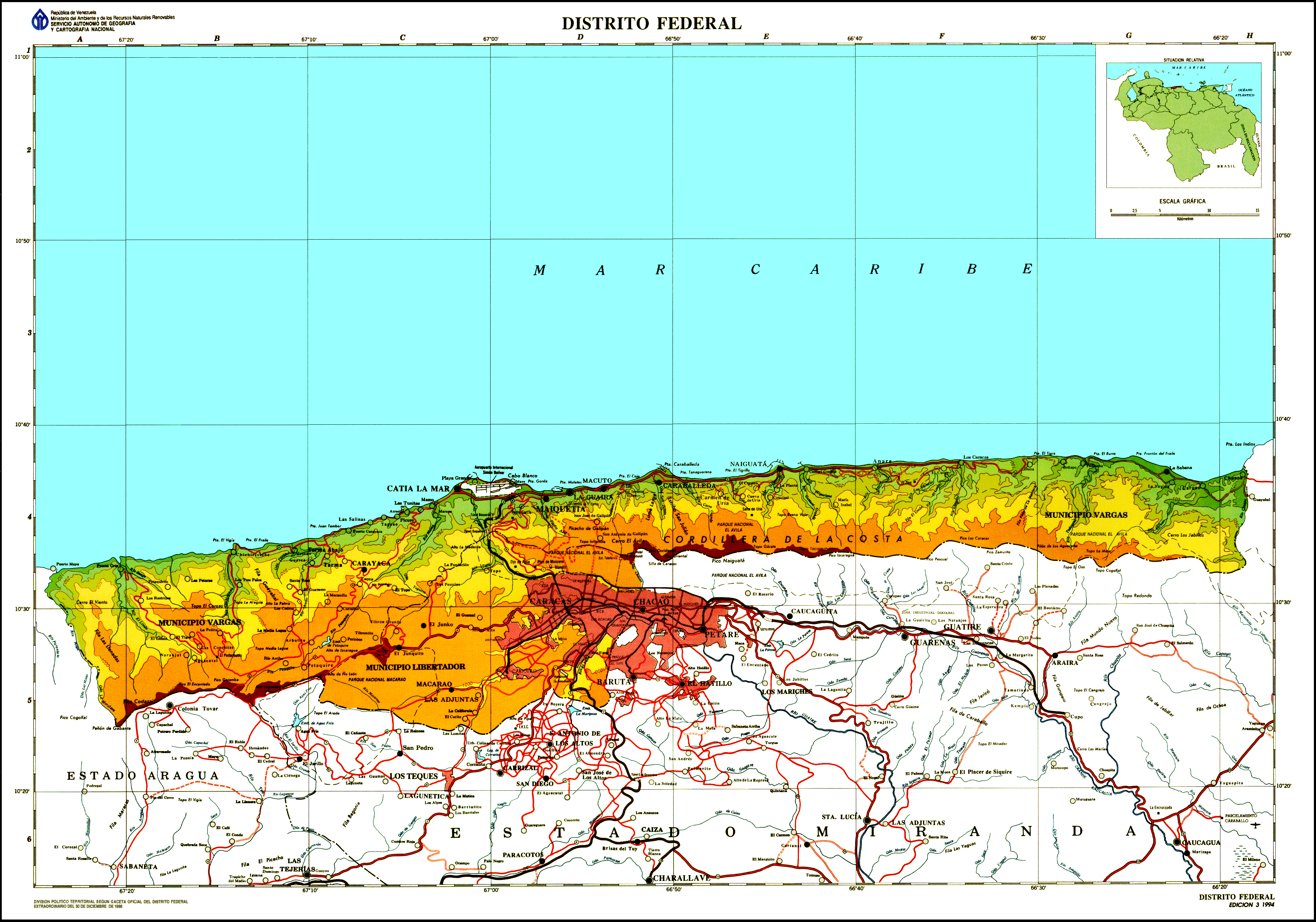
Two powerful earthquakes struck northern Venezuela shortly after 10 p.m. local time last night, prompting a nationwide state of emergency [6], [8].
The disaster marks some of the most significant seismic activity the region has seen in a century. The rapid succession of the tremors likely intensified the structural damage to buildings and infrastructure, complicating rescue efforts in the capital city of Caracas.
The first earthquake measured magnitude 7.2 [1] and occurred at a depth of 10 kilometers [7]. Just 39 seconds later [3], a second quake with a magnitude of 7.5 struck the region [2].
Government officials, including Interim President Delcy Rodríguez, have coordinated the response as rescue teams search through collapsed buildings and damaged roads. At least 32 people have been confirmed dead [4], and approximately 700 others are reported injured [5].
While confirmed fatalities remain low, some reports suggest thousands may be dead [10]. A projection from the U.S. Geological Survey (USGS) suggests the death toll could potentially reach 100,000 [9].
Residents in Caracas described scenes of sudden chaos. One eyewitness said, "Cracks formed up the side of their building" [11]. The twin shocks caused extensive damage to residential structures, and public roads across northern Venezuela near the Caribbean coast [12].
Emergency services continue to operate in the affected zones. The government has not yet released a full assessment of the economic damage or the total number of displaced residents.
“Two powerful earthquakes struck northern Venezuela shortly after 10 p.m. local time last night.”
The extreme proximity of these two seismic events—occurring less than a minute apart—creates a 'double-hit' scenario where the first quake weakens structures and the second collapses them. The vast discrepancy between confirmed deaths and USGS projections suggests that many victims may still be trapped under rubble in areas where rescue teams have not yet gained access.


