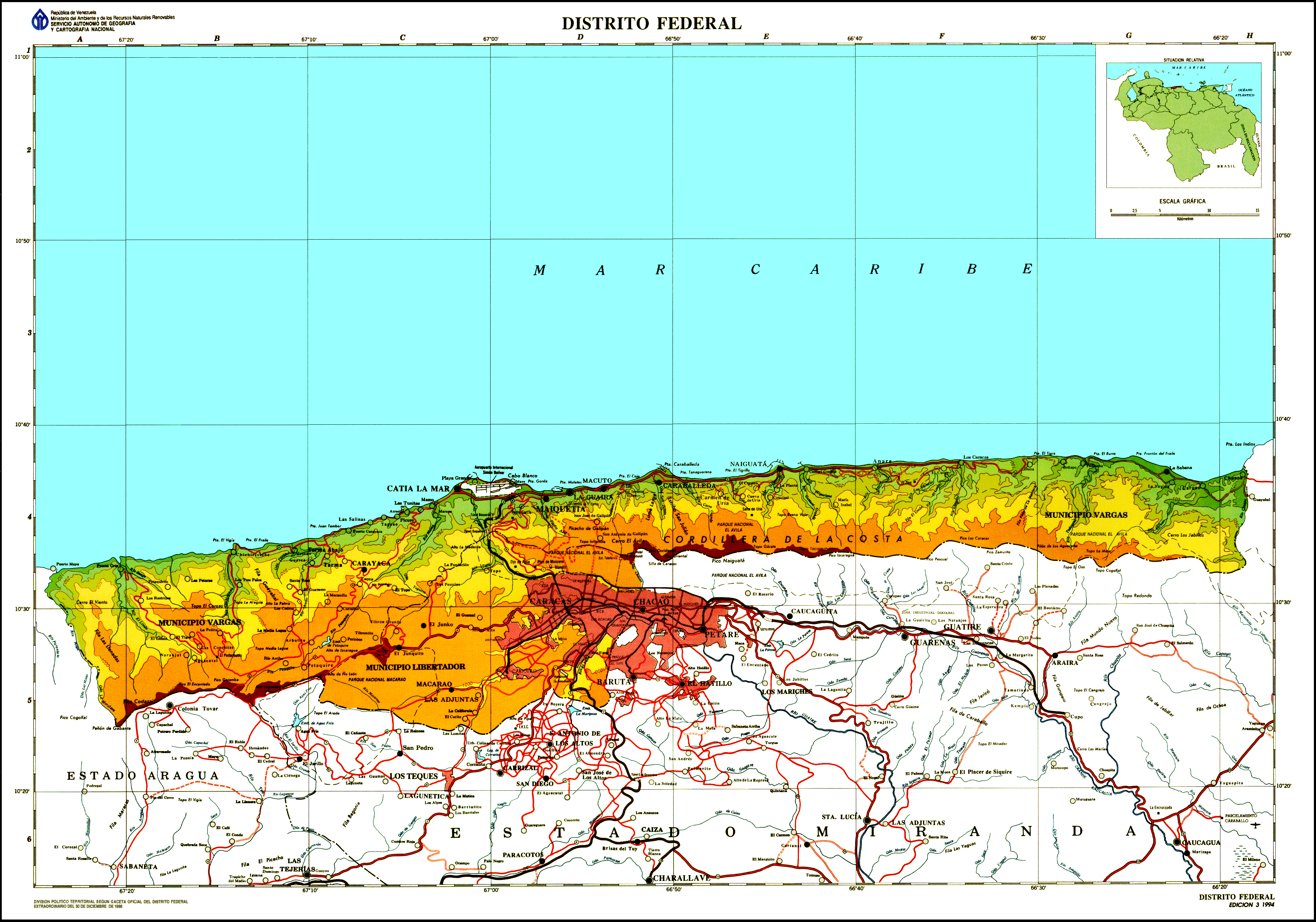
Emergency crews are racing to free hundreds of people trapped beneath collapsed buildings after twin earthquakes struck Venezuela on June 24, 2026 [1], [2].
The disaster has caused widespread devastation in the capital and coastal regions, overwhelming local infrastructure and triggering an urgent international plea for rescue assistance.
The earthquakes, measuring magnitude 7.2 and 7.5 [1], hit in and around Caracas and the port city of La Guaira [2], [3]. The seismic activity caused numerous structures to collapse, leaving hundreds of individuals buried under rubble [2].
Reports on casualties vary as authorities struggle to assess the damage. The Venezuelan health minister said around 235 died and approximately 4,300 were injured [4]. However, other reports from authorities indicate at least 188 died and more than 1,500 were injured [3].
Rescue operations continued through June 25, 2026, as teams worked to locate survivors among the ruins [3], [4]. The dual nature of the tremors increased the instability of remaining buildings, making the recovery process more hazardous for first responders.
International aid and emergency crews have been deployed to support the local effort to find survivors [3], [4]. Efforts are concentrated in the most densely populated areas of Caracas, and the critical shipping hubs of La Guaira [3].
“Hundreds of people remain trapped under collapsed buildings”
The occurrence of two high-magnitude earthquakes in such rapid succession significantly compounds the humanitarian crisis by damaging structures that might have survived a single tremor. The discrepancy in casualty figures suggests a chaotic reporting environment typical of large-scale urban disasters where communication networks are severed.


'%2F%3E%0A%20%20%20%20%3Crect%20width%3D'1600'%20height%3D'900'%20fill%3D'url(%23v)'%2F%3E%0A%20%20%20%20%3Cg%20opacity%3D'0.08'%20fill%3D'%23ffffff'%3E%0A%20%20%20%20%20%20%3Ccircle%20cx%3D'1420'%20cy%3D'180'%20r%3D'220'%2F%3E%0A%20%20%20%20%20%20%3Ccircle%20cx%3D'1500'%20cy%3D'760'%20r%3D'120'%2F%3E%0A%20%20%20%20%3C%2Fg%3E%0A%20%20%20%20%3Cline%20x1%3D'80'%20y1%3D'172'%20x2%3D'220'%20y2%3D'172'%20stroke%3D'%23ffffff'%20stroke-width%3D'3'%20stroke-opacity%3D'0.6'%2F%3E%0A%20%20%20%20%3Ctext%20x%3D'80'%20y%3D'140'%20font-family%3D'Inter%2C%20-apple-system%2C%20Helvetica%2C%20sans-serif'%20font-weight%3D'700'%20font-size%3D'28'%20fill%3D'%23ffffff'%20letter-spacing%3D'6'%3EHANNA%20%C2%B7%20NEWS%3C%2Ftext%3E%0A%20%20%20%20%3Ctext%20x%3D'80'%20y%3D'230'%20font-family%3D'Inter%2C%20-apple-system%2C%20Helvetica%2C%20sans-serif'%20font-weight%3D'600'%20font-size%3D'40'%20fill%3D'%23ffffffb3'%20letter-spacing%3D'4'%3EWORLD%3C%2Ftext%3E%0A%20%20%20%20%3Ctext%20x%3D'80'%20y%3D'694'%20font-family%3D'Playfair%20Display%2C%20Georgia%2C%20serif'%20font-weight%3D'800'%20font-size%3D'110'%20fill%3D'%23ffffff'%20letter-spacing%3D'-1'%3ETwo%20Powerful%20Earthquakes%3C%2Ftext%3E%3Ctext%20x%3D'80'%20y%3D'820'%20font-family%3D'Playfair%20Display%2C%20Georgia%2C%20serif'%20font-weight%3D'800'%20font-size%3D'110'%20fill%3D'%23ffffff'%20letter-spacing%3D'-1'%3EStrike%20La%20Guaira%2C%20Venezuela%3C%2Ftext%3E%0A%20%20%20%20%3Ctext%20x%3D'80'%20y%3D'870'%20font-family%3D'Inter%2C%20-apple-system%2C%20Helvetica%2C%20sans-serif'%20font-weight%3D'500'%20font-size%3D'22'%20fill%3D'%23ffffff66'%20letter-spacing%3D'2'%3Enews.hanna-ai.com%3C%2Ftext%3E%0A%20%20%3C%2Fsvg%3E)