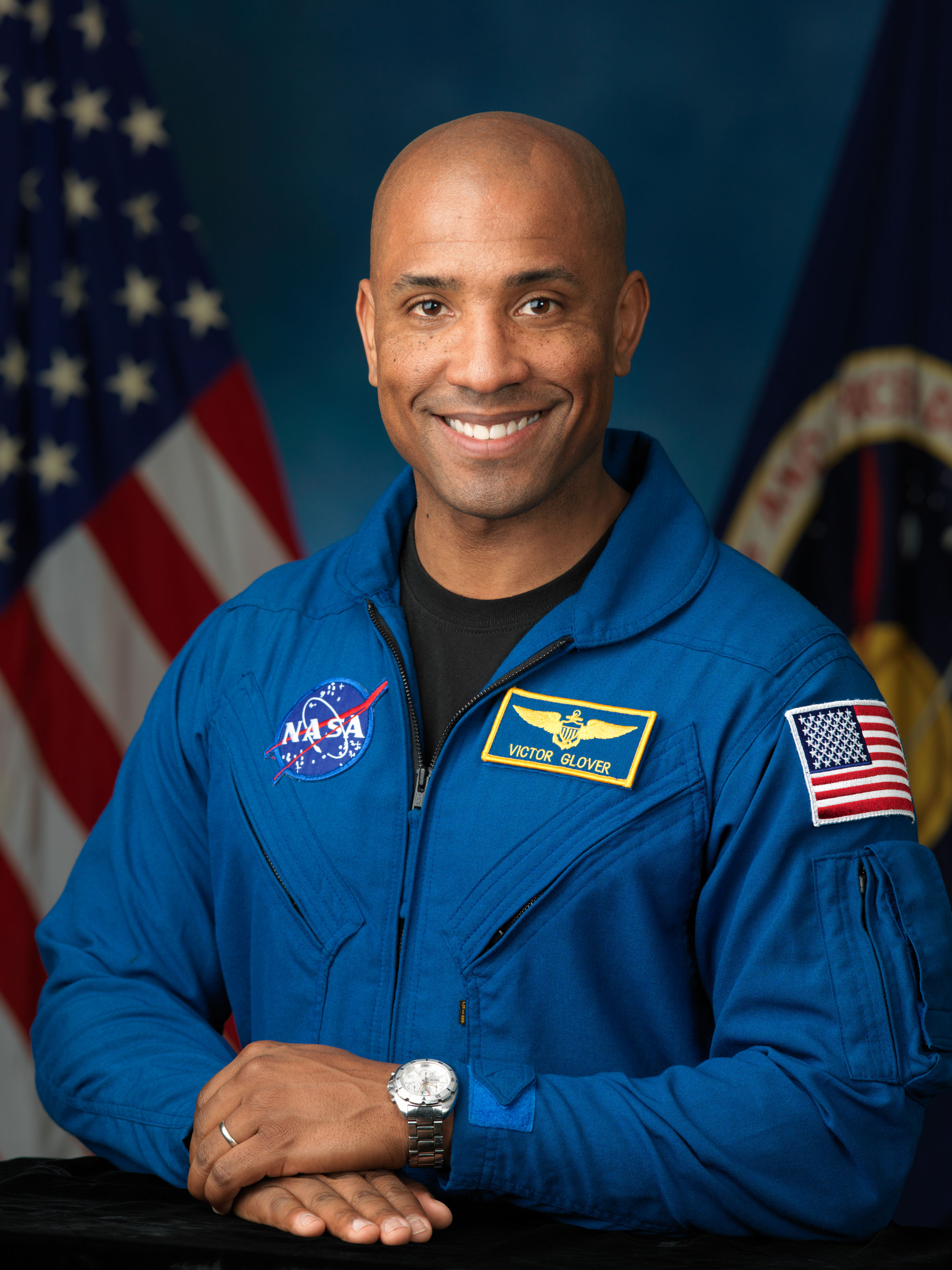
U.S. space agency NASA astronaut Victor Glover, pilot of the Artemis II mission, said Thursday that Orion’s re‑entry felt “intense” and the splashdown was “pure elation.” The comments came six days after the four‑person crew splashed down in the Atlantic.
The remarks matter because they give the public a rare, human‑scale view of what a deep‑space re‑entry entails, and they provide data points on Orion’s heat‑shield performance for engineers planning future lunar and Martian missions.
During a press conference at the Johnson Space Center, Glover said he had been “thinking about reentry for three straight years” and that the vehicle’s descent lasted about 13 minutes [1]. He described the period as a “very intense 13 minutes” that tested both the spacecraft’s systems and the crew’s endurance.
Glover’s teammate, Christina Koch, said that the moment the capsule hit the water “brought tears to my eyes” [2]. The emotional response underscores the psychological impact of returning from a deep‑space flight, a factor NASA is studying alongside technical metrics.
The Orion capsule entered Earth’s atmosphere at roughly 24,500 miles per hour, decelerating through a plasma sheath before the parachutes deployed. Engineers monitor temperature spikes and structural loads throughout the 13‑minute window to validate design models.
NASA officials said the mission’s success and the crew’s feedback will shape the upcoming Artemis III lunar landing, slated for 2028. Glover’s description of the re‑entry’s intensity offers a benchmark for future crews who will experience longer stays on the Moon and, eventually, voyages to Mars.
The interview took place six days after splashdown [2], giving the team time to debrief and recover physically. Glover’s candid reflections aim to educate the public about the challenges of space travel while inspiring the next generation of explorers.
**What this means**: Glover’s vivid account confirms that Orion’s re‑entry system performed as expected, handling the intense thermal and aerodynamic stresses of a deep‑space return. The crew’s emotional response highlights the human dimension of spaceflight, reinforcing NASA’s focus on both technical reliability and astronaut well‑being as the agency pushes toward sustained lunar presence and future interplanetary missions.
“"It was a very intense 13 minutes."”
Glover’s vivid account confirms that Orion’s re‑entry system performed as expected, handling the intense thermal and aerodynamic stresses of a deep‑space return. The crew’s emotional response highlights the human dimension of spaceflight, reinforcing NASA’s focus on both technical reliability and astronaut well‑being as the agency pushes toward sustained lunar presence and future interplanetary missions.

