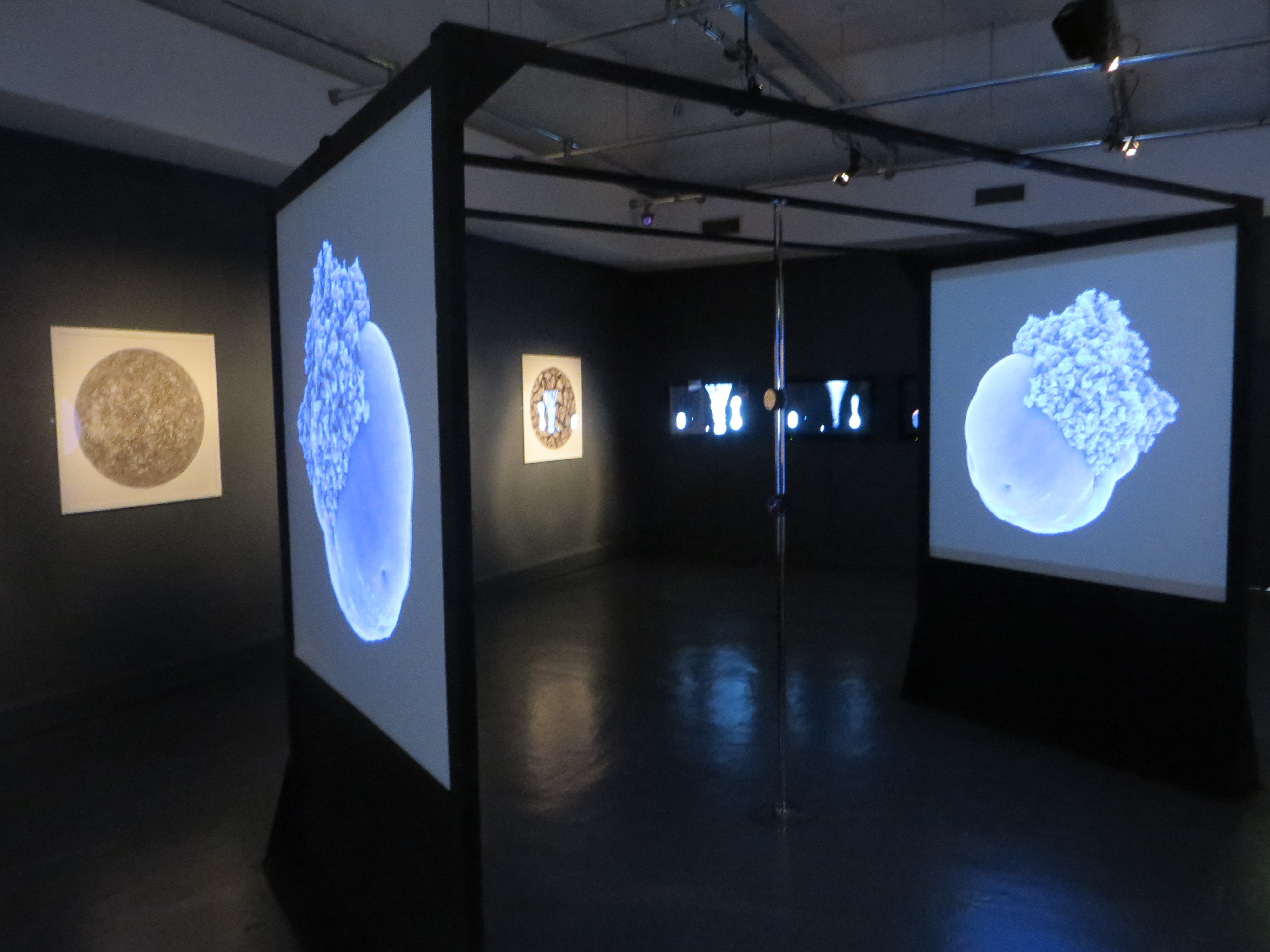
Artist Victoria Fard is using advanced generative tools to blend nature, cultural heritage, and human stories into algorithmic storytelling [1].
This integration of technology and art reflects a growing shift in how digital creators converge physical and virtual worlds to engage audiences. As generative AI becomes more accessible, the boundary between human-led narrative and machine-assisted production continues to blur.
Fard's approach focuses on expanding the boundaries of storytelling by utilizing tools that can synthesize diverse elements of the human experience [1]. The goal is to inspire and connect audiences through immersive environments that merge personal narratives with broader cultural contexts [1].
While some creators have found massive success with these tools, the impact varies. One 21-year-old creator reportedly generated 600 million views using only 12 videos [2]. This scale of reach demonstrates the viral potential of algorithmic content in the current digital economy.
However, the rise of algorithmic storytelling has created a divide among critics and creators. Some said that generative tools are transforming creative spaces and expanding possibilities [1]. Others said that streaming services driven by algorithms often produce content that lacks artistic merit.
There is also a continuing debate regarding the role of the human author. Some observers said that human storytelling remains superior in the age of AI, while others pointed to the expanding capabilities of generative tools as a new evolution of the medium [1].
“Advanced generative tools are being used to blend nature, cultural heritage, and human stories.”
The convergence of generative AI and artistic expression marks a transition from AI as a mere productivity tool to AI as a collaborative medium. While the ability to scale content rapidly is evident through high view counts, the tension between algorithmic efficiency and artistic merit suggests that the industry is still defining the value of 'human' versus 'machine' creativity.


