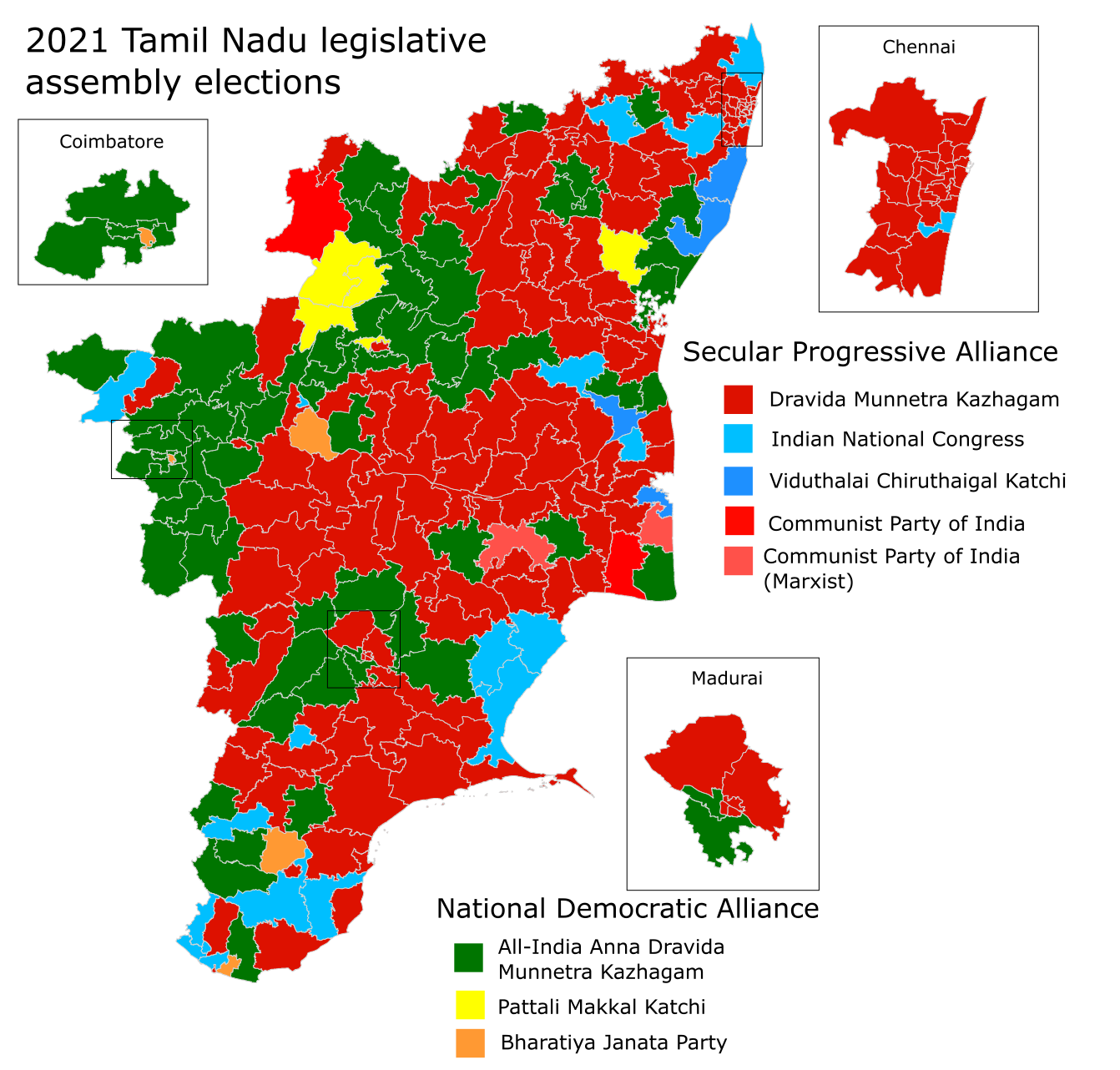
Vijay Thalapathy has secured a legislative majority to form the state government in Tamil Nadu [1].
This development marks a significant shift in the region's political landscape. The ability of the new administration to maintain a stable governing coalition will determine whether the state can implement its policy agenda without frequent legislative deadlock.
Vijay, leading the newly formed government, crossed the majority mark of over 50 percent of seats [1]. While the numerical threshold for power has been met, the composition of the coalition remains a point of contention among political observers. The government relies on several partners who were previously aligned with the DMK [1].
This dependence on former rivals creates a precarious balance of power. Political analysts said the durability of the government depends on the continued cooperation of these allies, who may have divergent interests from those of Vijay's own party [1].
Legislative stability is critical for the administration's first 100 days. Without a cohesive internal agreement, the government may struggle to pass key legislation, or withstand shifts in coalition loyalty [1]. The current arrangement ensures the government can be sworn in, but it does not guarantee a seamless term.
As the administration begins its tenure, the focus remains on whether Vijay can consolidate his authority or if the coalition's internal contradictions will lead to early instability [1].
“Vijay Thalapathy has secured a legislative majority to form the state government in Tamil Nadu.”
The formation of the Vijay government represents a transition in Tamil Nadu's leadership, but the reliance on former DMK allies suggests a 'marriage of convenience' rather than a unified ideological front. This fragility means the government may be forced to make significant policy concessions to its coalition partners to avoid a collapse, potentially limiting Vijay's ability to execute his independent platform.


